

Awaab’s Law establishes clear timeframes for addressing hazards once they’re identified, but the smartest landlords recognise that prevention is better than cure.
Proactive, scheduled maintenance of building exteriors can prevent damp, mould, and emergency hazards from developing in the first place, protecting tenants’ health, reducing long-term costs, and ensuring continuous compliance with regulatory standards.
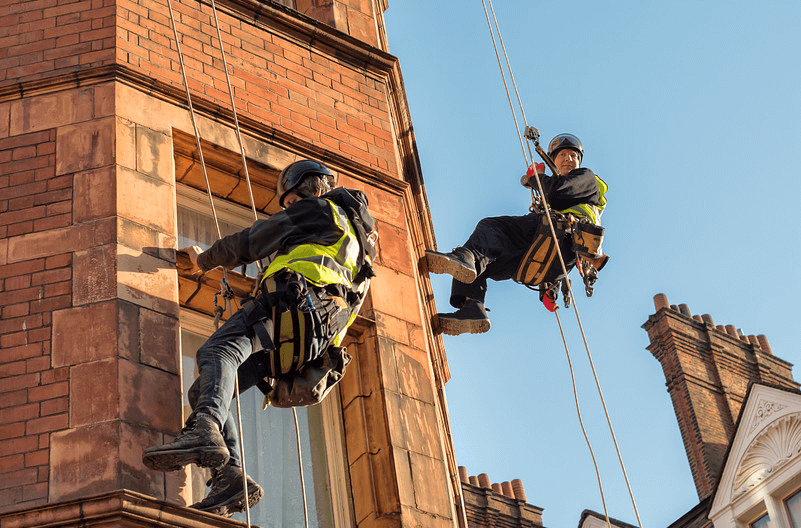
Rope access is uniquely suited to delivering this preventative approach, offering cost-effective, flexible, and comprehensive building maintenance that keeps hazards at bay.
The True Cost of Reactive Maintenance
Reactive maintenance — i.e. responding only when tenants report problems — is expensive, disruptive, and risky. By the time a tenant reports damp or mould, underlying building defects may have been present for months or years, causing hidden structural damage and potentially serious health impacts.
Under Awaab’s Law, once a landlord becomes aware of a hazard, strict timeframes apply, creating pressure to act quickly.
Emergency repairs are invariably more expensive than planned maintenance, and failure to meet deadlines can result in legal action, compensation claims, and reputational damage.
Proactive maintenance, by contrast, identifies and addresses building defects before they cause hazards. This approach:
- reduces emergency call-outs
- lowers overall repair costs
- improves tenant satisfaction
- demonstrates a landlord’s commitment to meeting their duty of care
For organisations managing large housing portfolios, the cumulative savings and risk reduction are substantial.
Shift from reactive to proactive maintenance.Contact RAIL for a preventative maintenance programme tailored to your housing stock!
What Preventative Rope Access Maintenance Involves
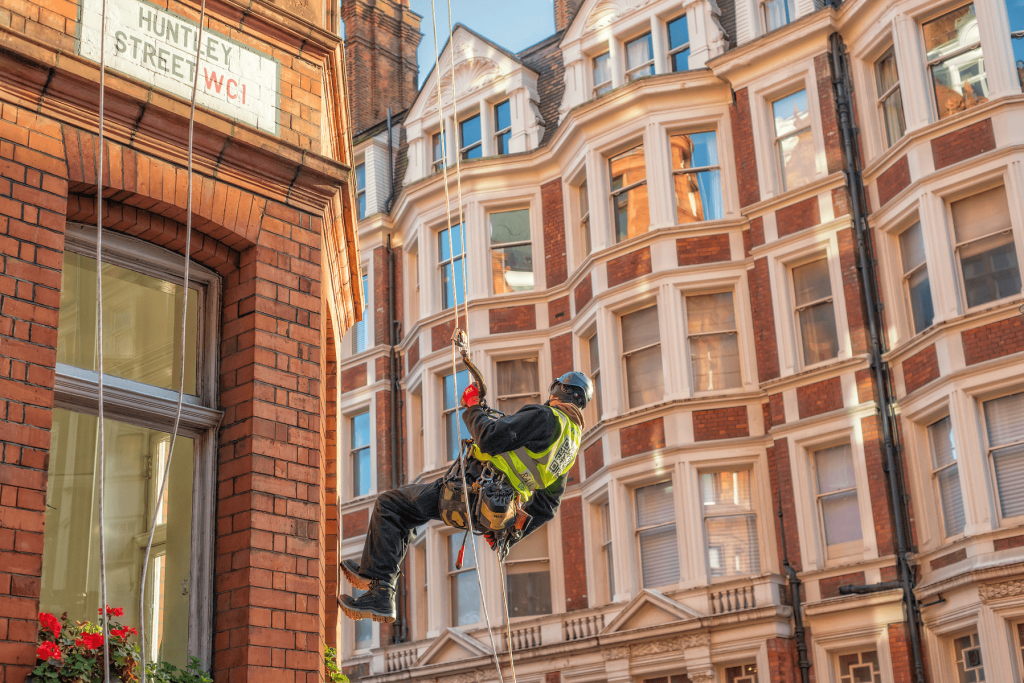
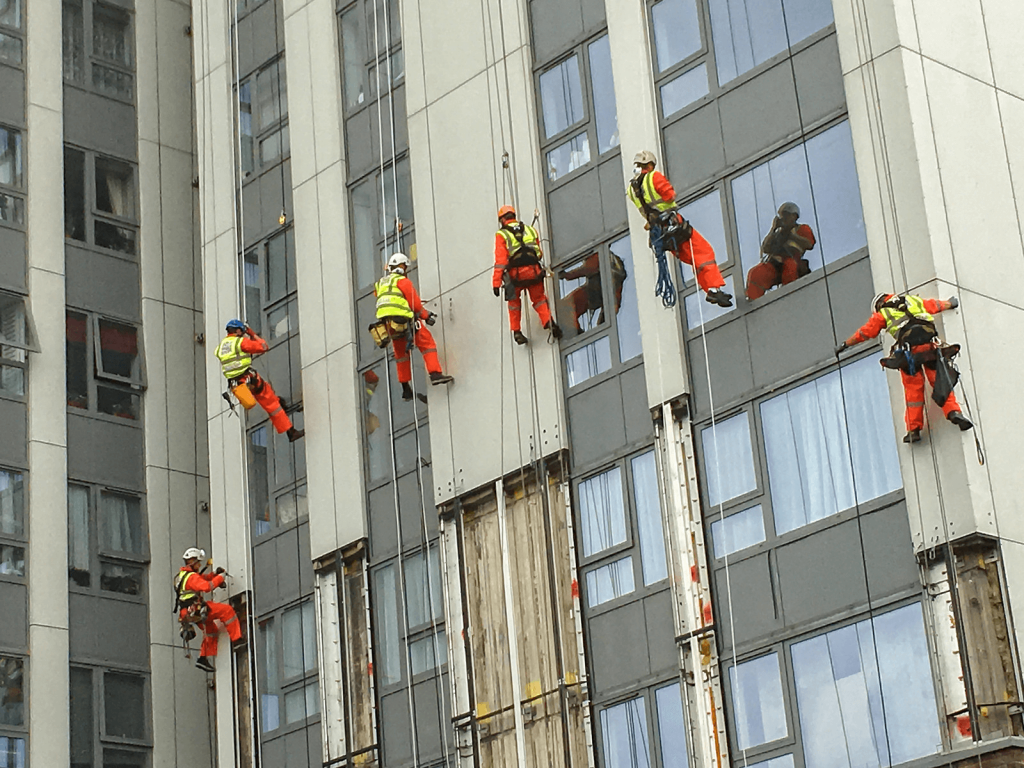
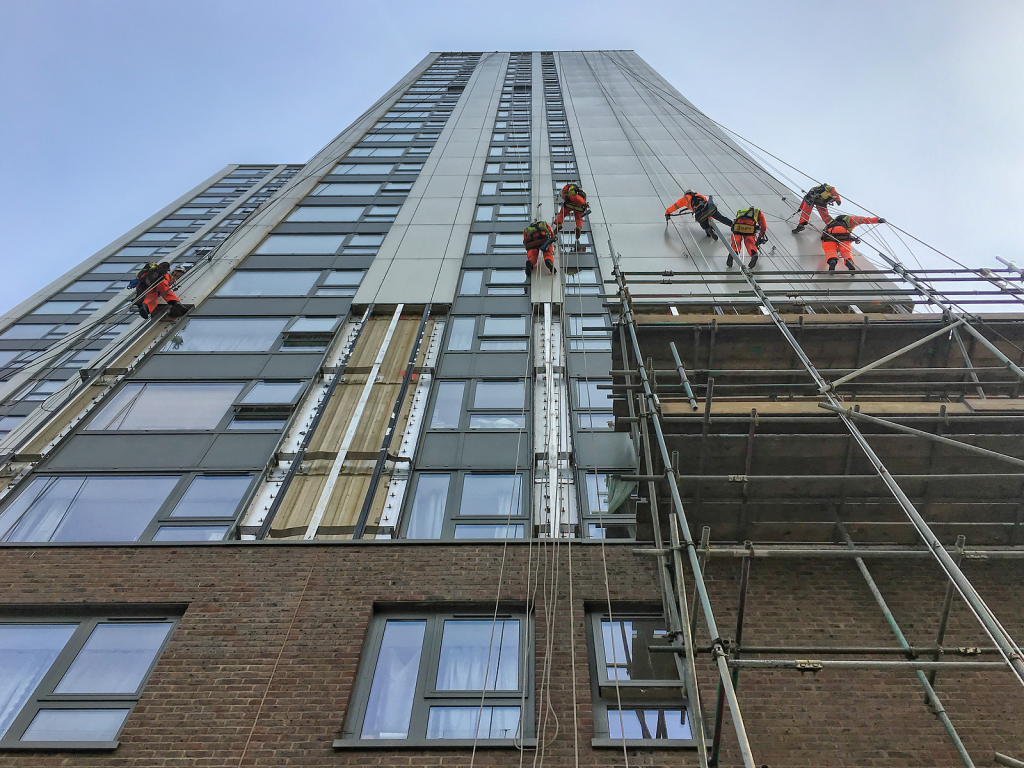
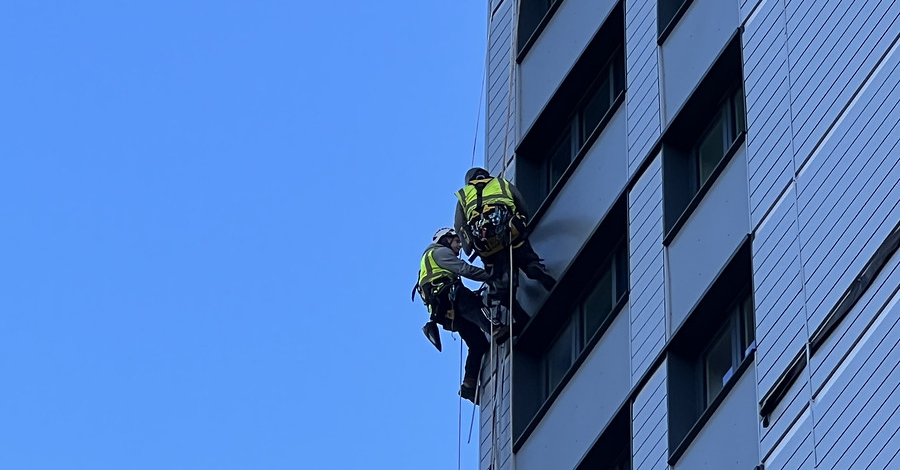
Preventative maintenance using rope access involves regular, scheduled inspections and maintenance of building exteriors, focusing on the elements most likely to cause damp, mould, and structural hazards.
1. Annual or Bi-Annual Building Surveys
Comprehensive external inspections of roofs, facades, gutters, chimneys, windows, and other vulnerable areas identify emerging defects before they cause problems. Our technicians document everything with photographs and detailed reports, creating a clear baseline.
2. Gutter Clearance
Blocked gutters are one of the most common causes of damp problems, yet they’re often neglected because they’re difficult to access. Scheduled rope access gutter clearance prevents blockages, overflow, and the water damage that results.
3. Roof Inspections and Minor Repairs
Regular roof inspections identify minor issues before they escalate into major leaks. By addressing these problems early, landlords avoid emergency call-outs, costly repairs, and tenant complaints.
4. Chimney Maintenance
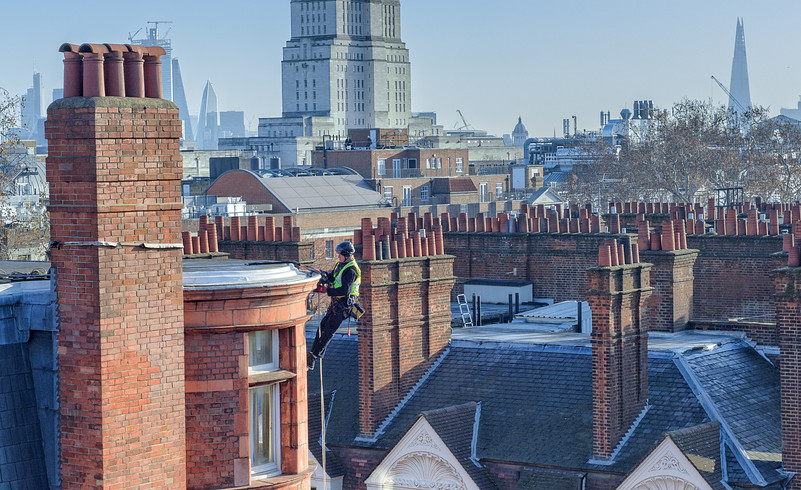
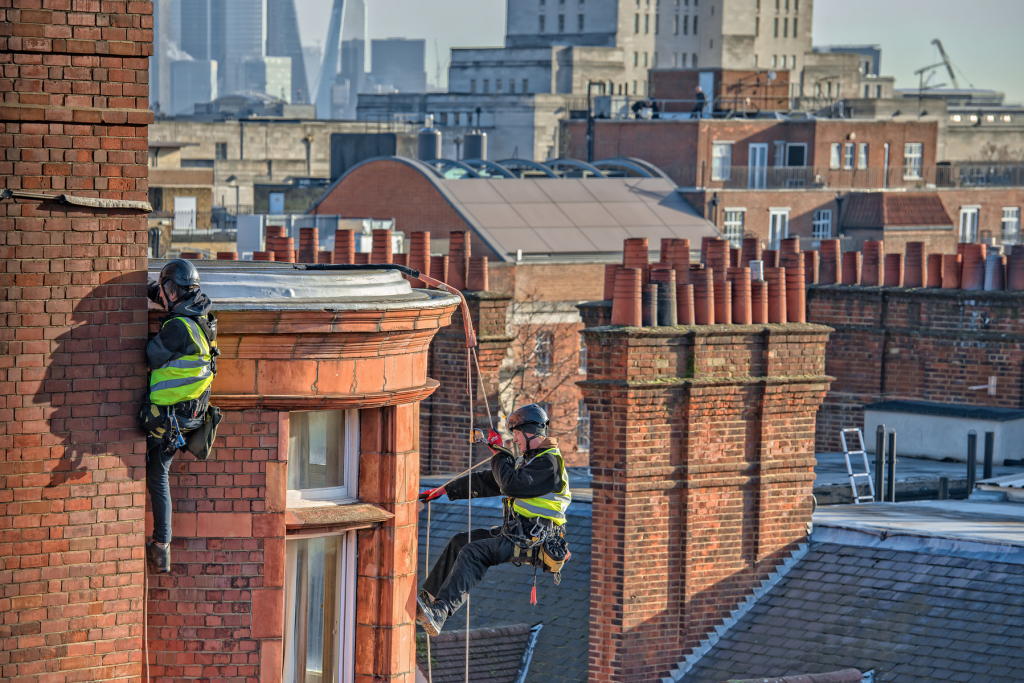
For older properties with disused chimneys, regular maintenance prevents water ingress and prolongs chimney stack lifespan. This work is easily carried out via rope access, even on tall buildings where chimney access would otherwise require extensive scaffolding.
5. Facade Inspections and Repairs
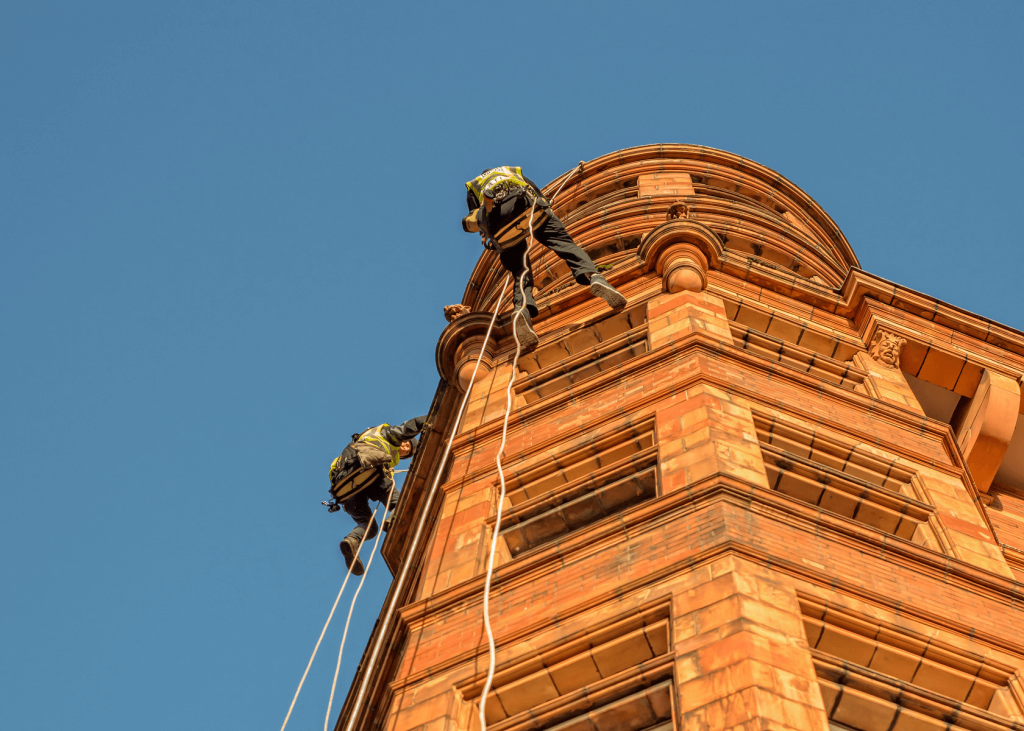
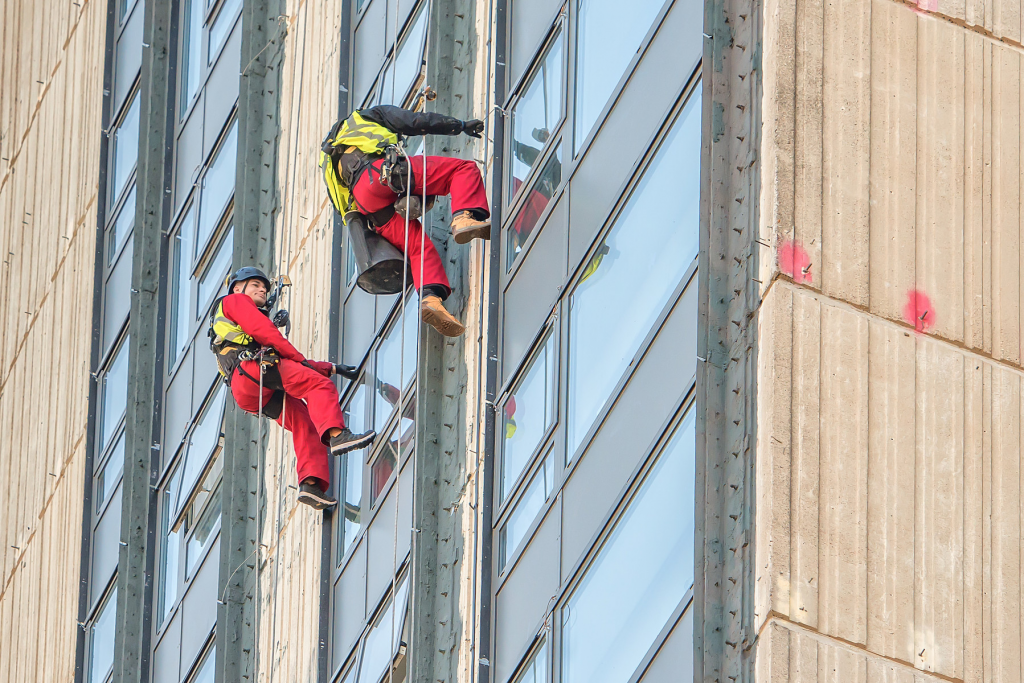
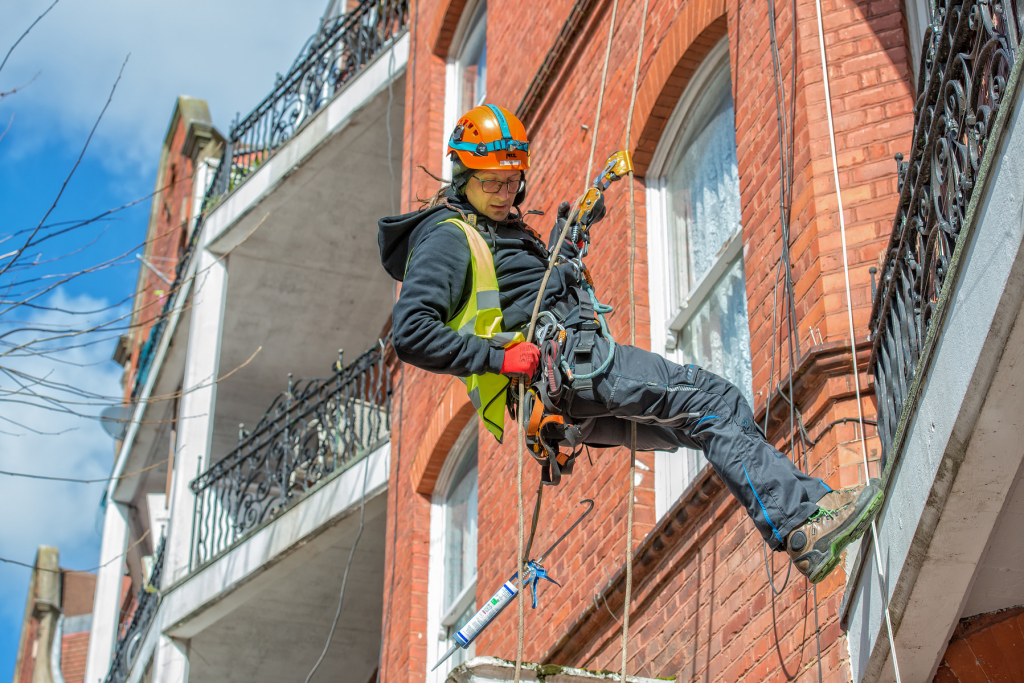
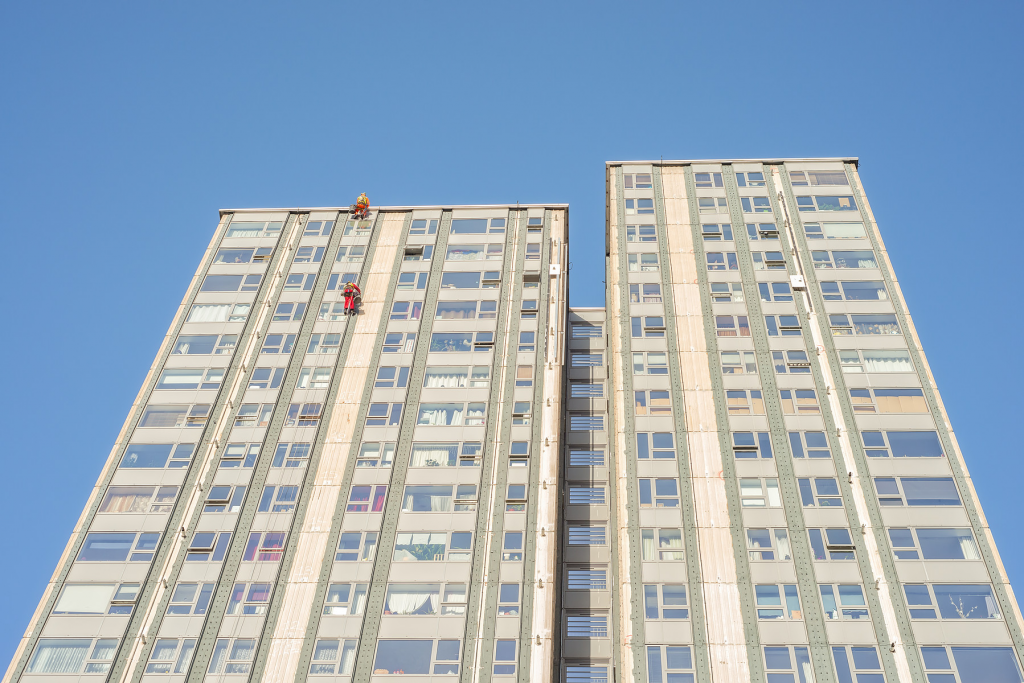
Facades deteriorate over time due to weathering, thermal movement, and age. Regular rope access inspections identify cracks, failed render, spalled brickwork, and deteriorating mortar joints early. Technicians can carry out repairs such as repointing, crack sealing, and render patching during the same visit, preventing water ingress and structural damage.
6. Window and Door Seal Maintenance
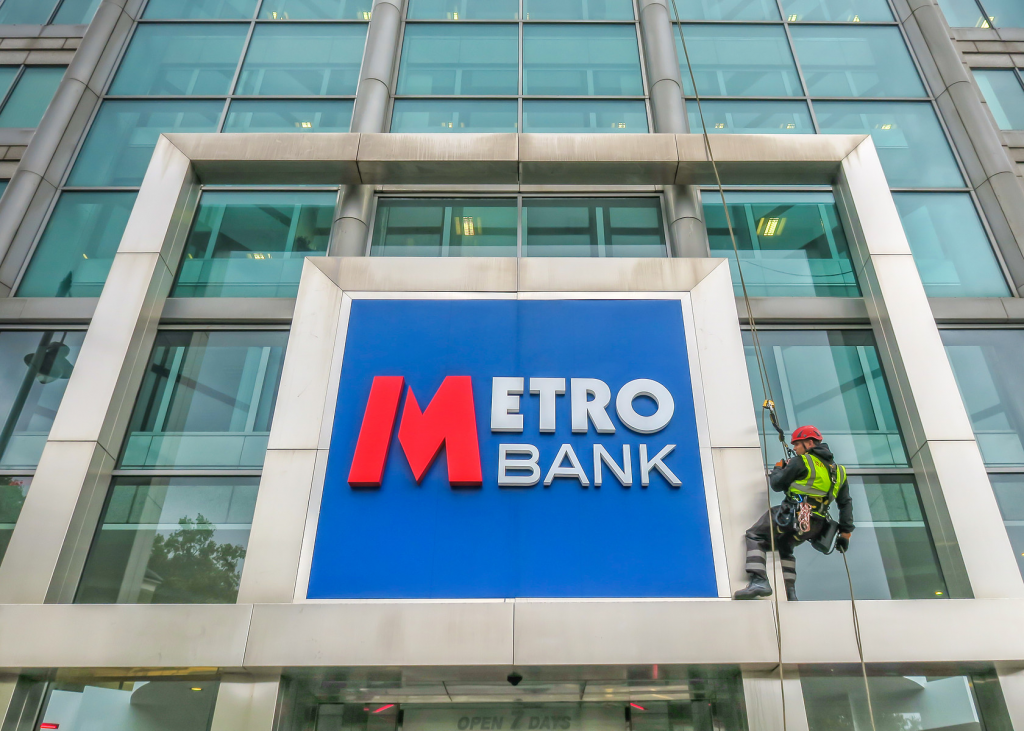
Perished seals around windows and doors cause localised damp, cold bridging, and condensation. Regular inspection and replacement of seals, mastic joints, and weather stripping prevent these issues.
Benefits of Preventative Rope Access Maintenance
- Prevents Hazards Before They Develop: By identifying and addressing building defects early, preventative maintenance stops damp, mould, and structural hazards from developing.
- Reduces Long-Term Costs: Preventative maintenance is almost always cheaper than reactive repairs. Minor defects can be fixed quickly and affordably, whilst major structural repairs can cost thousands or tens of thousands of pounds.
- Extends Building Lifespan: Well-maintained buildings last longer. Protecting roofs, facades, gutters, and other elements from deterioration preserves building fabric, prolongs asset lifespan, and maintains property values.
- Improves Tenant Satisfaction: Tenants living in well-maintained properties are healthier, happier, and more satisfied with their landlords. Proactive maintenance demonstrates care and commitment, reducing complaints and improving landlord-tenant relationships.
- Supports Regulatory Compliance: Regular maintenance demonstrates a landlord’s commitment to meeting their legal obligations under Awaab’s Law, the Homes (Fitness for Human Habitation) Act, and consumer standards.
- Enables Better Asset Management: Regular inspections provide detailed, up-to-date information about building condition, enabling landlords to plan maintenance programmes, allocate budgets effectively, and prioritise works based on risk and need.
Conclusion: Prevention Is the Best Policy
Awaab’s Law sets clear expectations for how quickly landlords must respond to hazards, but the best response is prevention.
Regular rope access maintenance identifies and addresses building defects before they cause damp, mould, or emergency situations, protecting tenants’ health, reducing costs, and ensuring continuous compliance.
Don’t wait for the next emergency. Invest in preventative rope access maintenance and transform your approach from reactive firefighting to proactive, strategic asset management.
Ready to prevent hazards rather than react to them?Contact RAIL today!