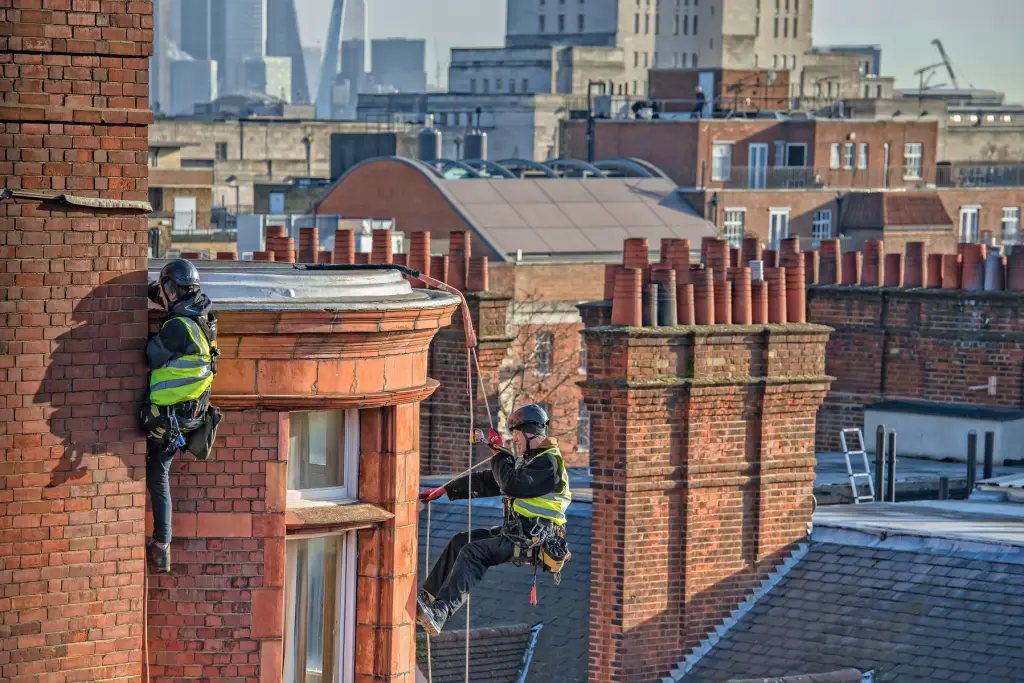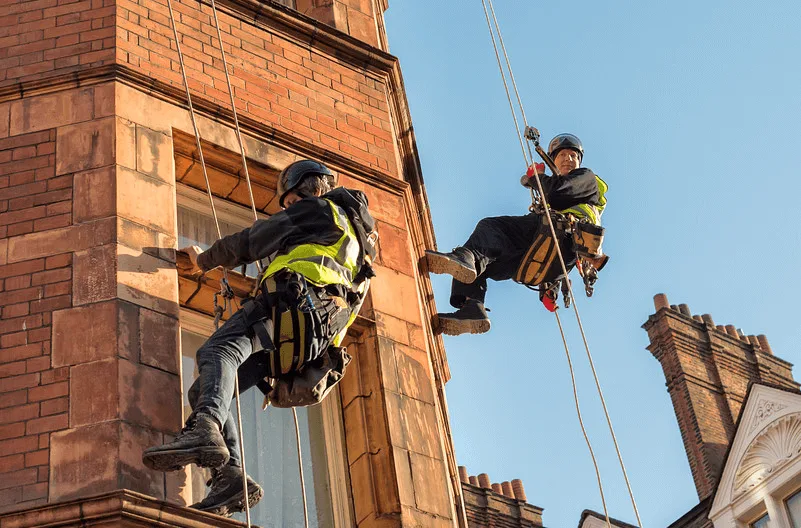
Working at heights may be one of the most challenging jobs out there for obvious reasons. While the harnesses are there to ensure safety, there are plenty of risk factors involved that may make the job more dangerous. Accidents happen and it’s up to the technician themselves to always be on the lookout for things that may become a detriment to the safety of their workplace. Some of the main factors that can seriously impact work at heights are environmental. What can a technician do to stay safe?
Choosing the right method
To start with, not all work at heights methods are equal in terms of safety, so it’s a good idea to know what you’re getting into before you actually do that. One of the best choices in this regard is industrial abseiling. What is abseiling? Here’s a refresher: it’s a work-at-heights method that involves the use of ropes and minimal tools aside from that. It doesn’t incorporate any scaffolding to scale the buildings, which might seem like an increased risk factor, but it’s actually one of the reasons why abseiling is safer than most methods. Thanks to the direct connection to the building and no parallel area to slip on, the technicians actually have much more control over their movements and can more freely respond to any unexpected circumstances.
What to look out for?
When it comes to environmental factors, they can be divided into four main categories:
- wind,
- wet and cold,
- hot,
- ultra-violet radiation.
Wind is a risk factor that gets more and more intense the higher the building. High wind speeds can greatly impair the technician’s movement, affecting working times, so it’s important to take all necessary precautions. Additionally, winds can send tools flying if not properly secured, potentially causing injury to technicians or other people in the surroundings, as well as property damage. While paying attention to the mean speeds provided by forecasts is important, paying attention to gusts is even more crucial, as they may greatly increase the mean speed. Always be mindful of wind speeds, make sure you don’t carry too much, and communicate well.
Wet and cold is similar to wind in that it can greatly decrease the speed at which a job is performed. Remaining wet and unprotected for an extended period of time can lead to serious repercussions, such as hypothermia. In such conditions it’s also much easier to slip, so not only is it important to be insulated properly but being mindful of your surroundings is absolutely necessary.
The biggest threat posed by heat are hyperthermia and dehydration. As such, technicians need to be dressed appropriately and be equipped with liquids in order to cool themselves down when necessary.
Finally, depending on the location, technicians may be subjected to ultra-violet rays, especially when working outdoors. Proper protection is thus necessary – the filter should be adjusted to the environment they’re working in.