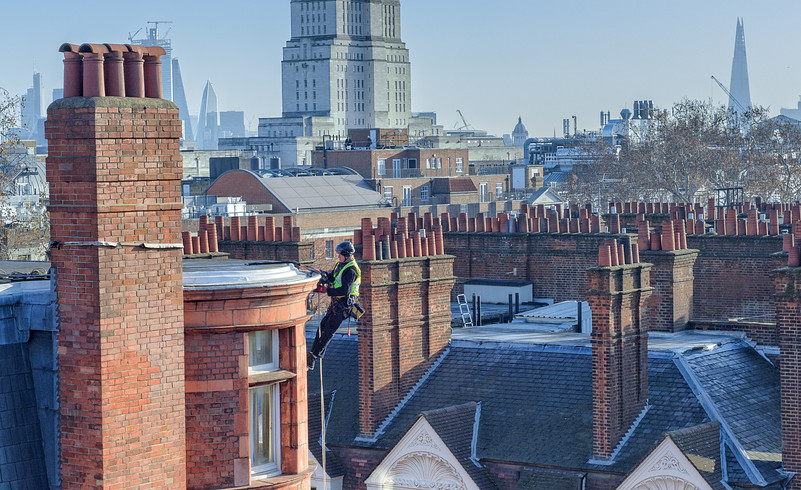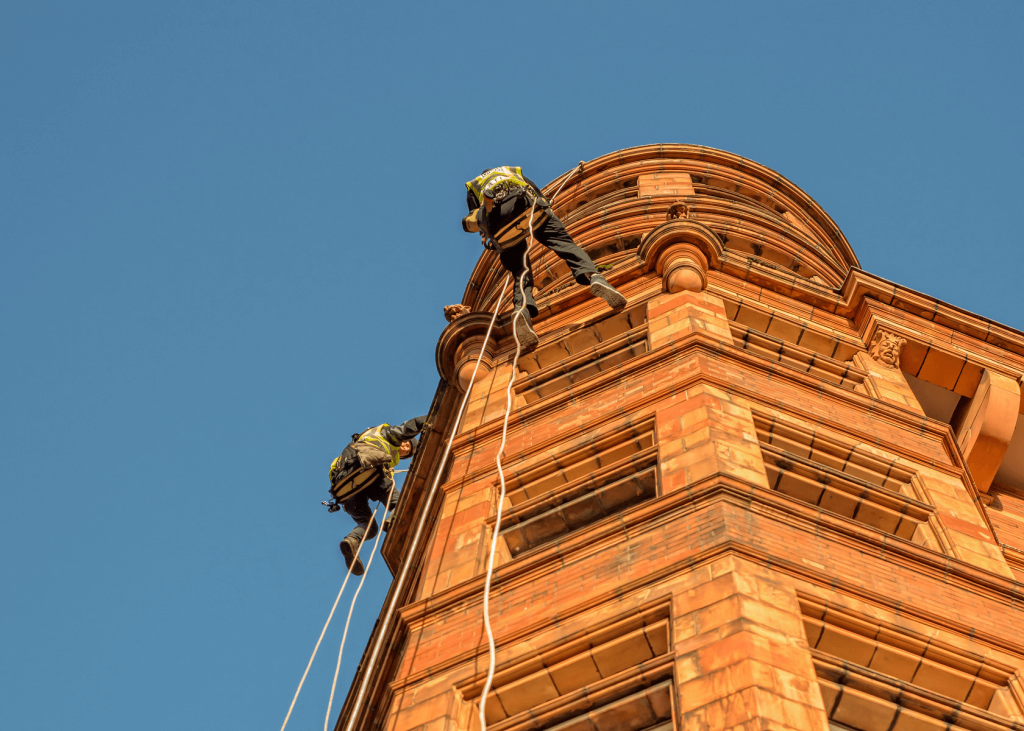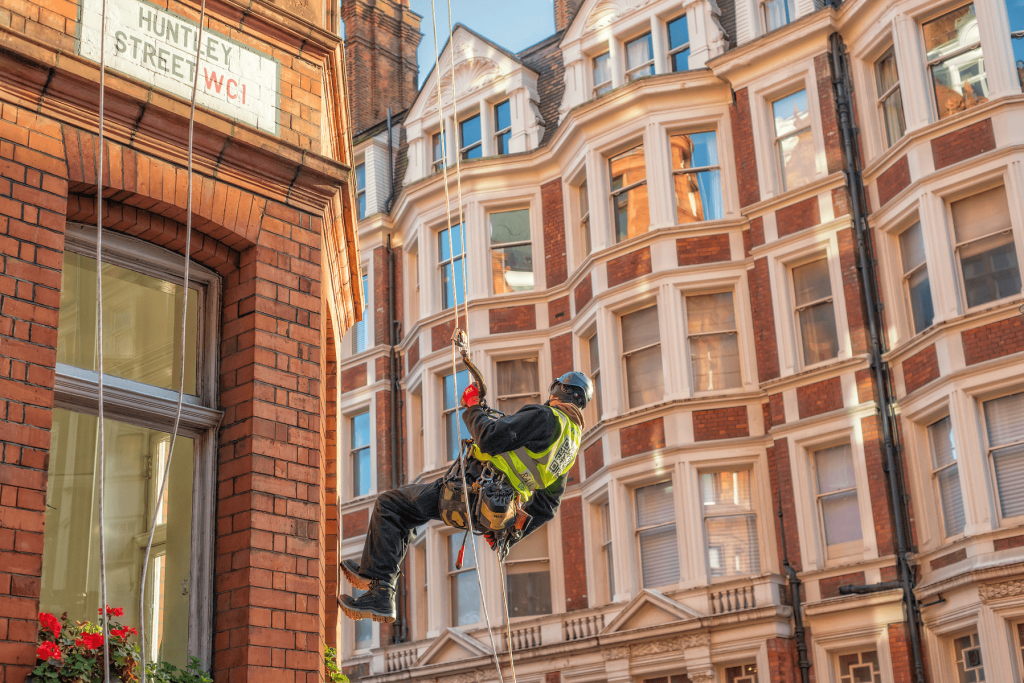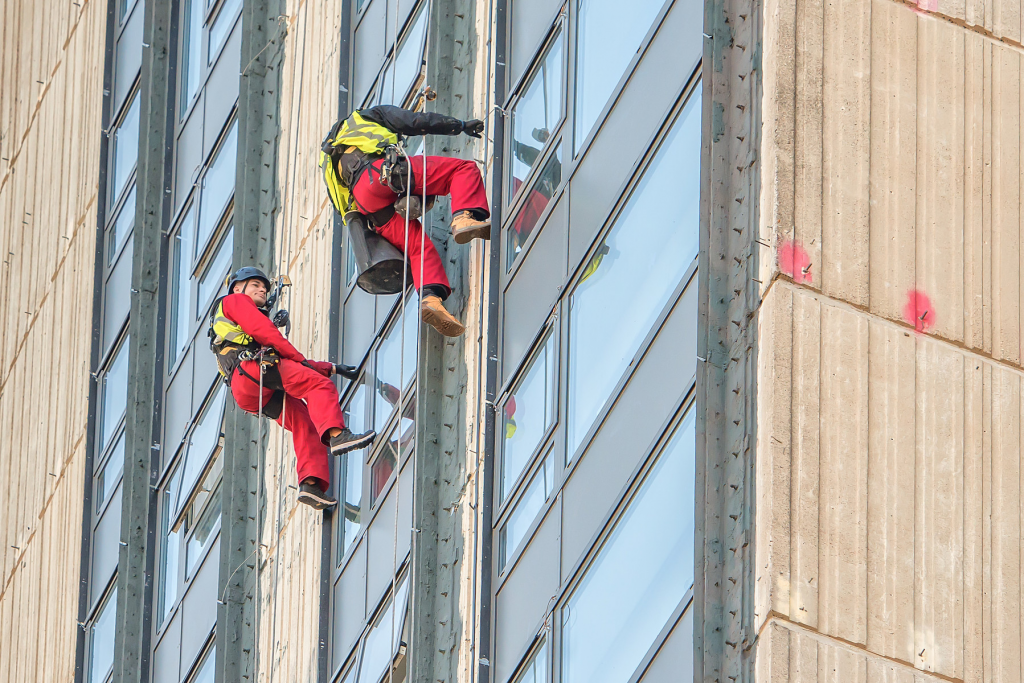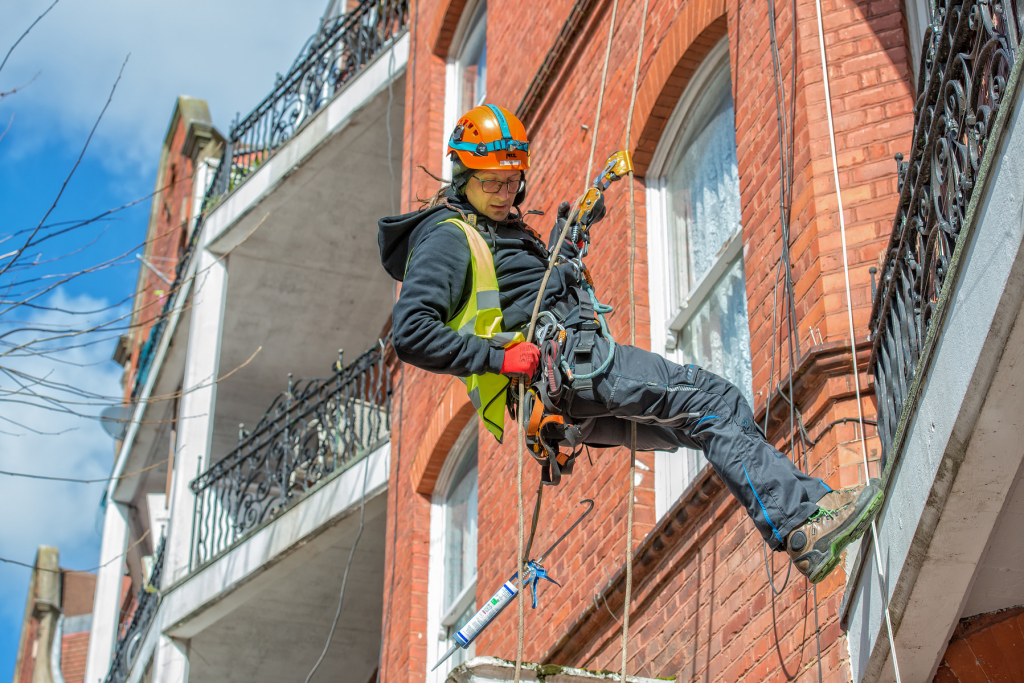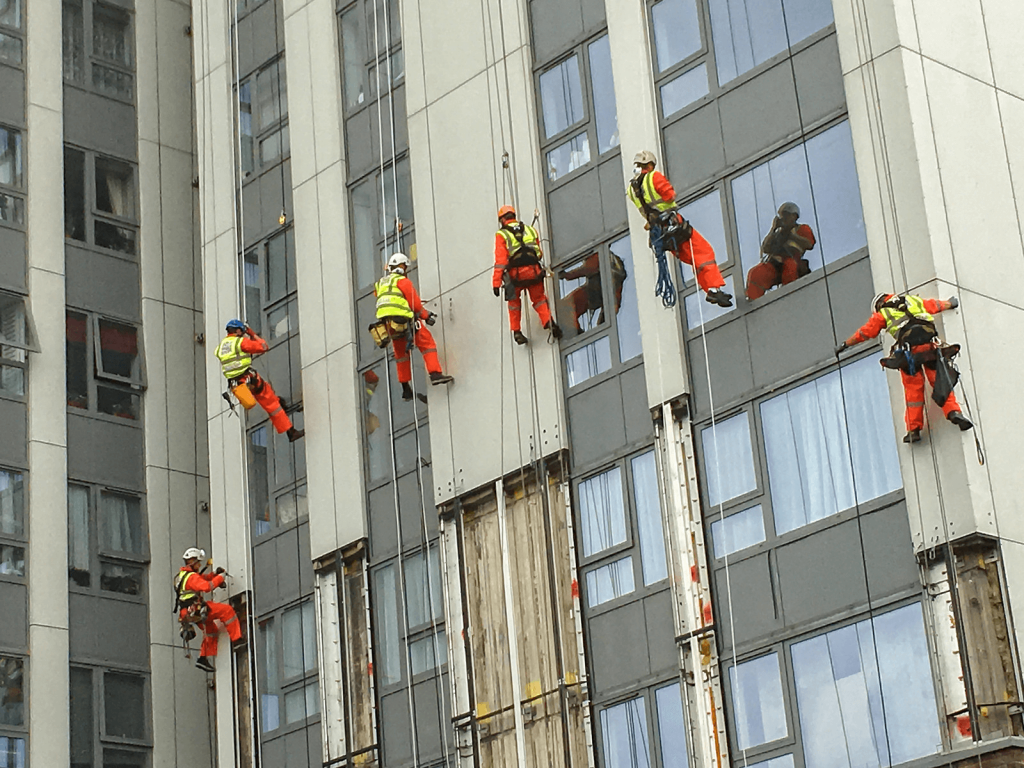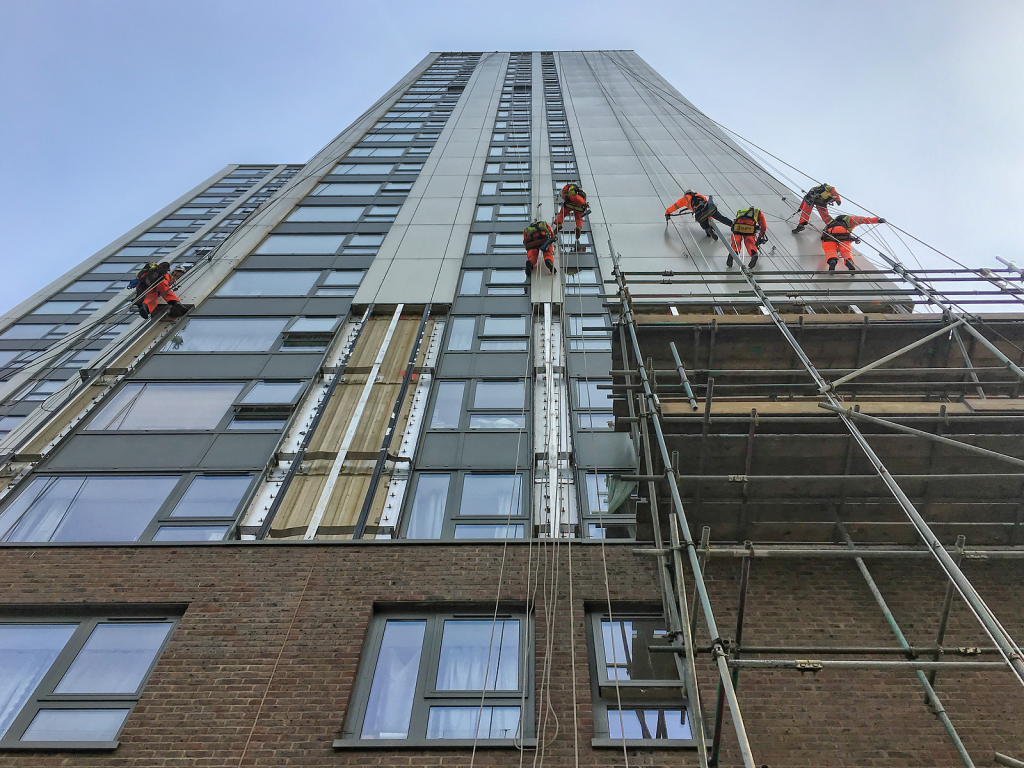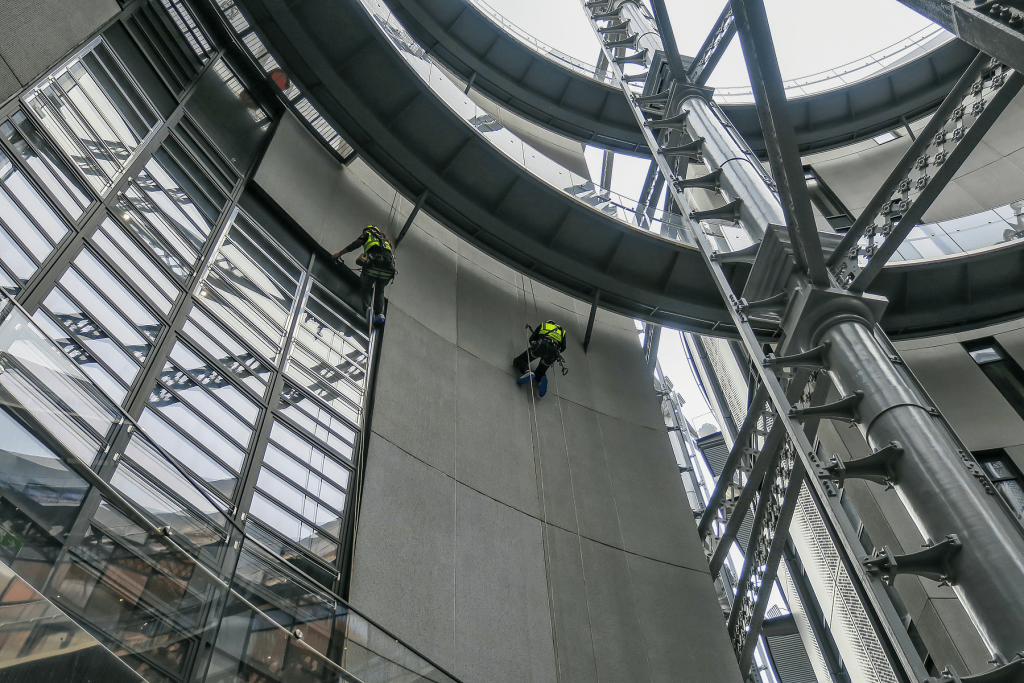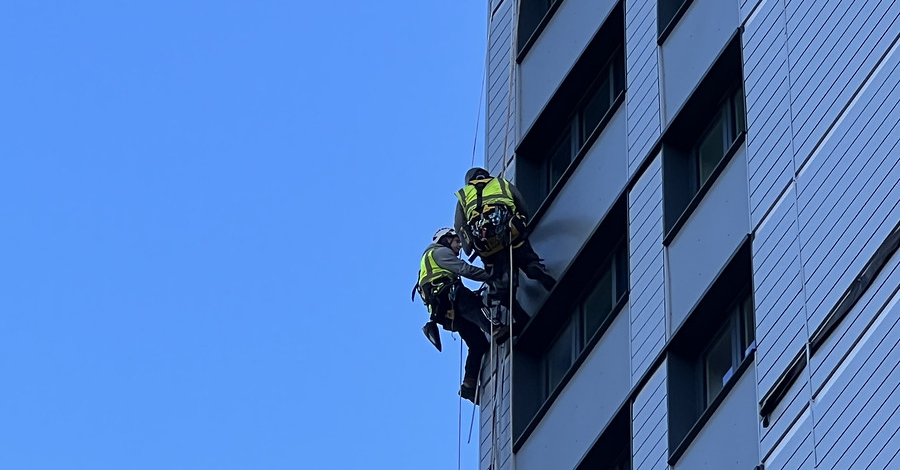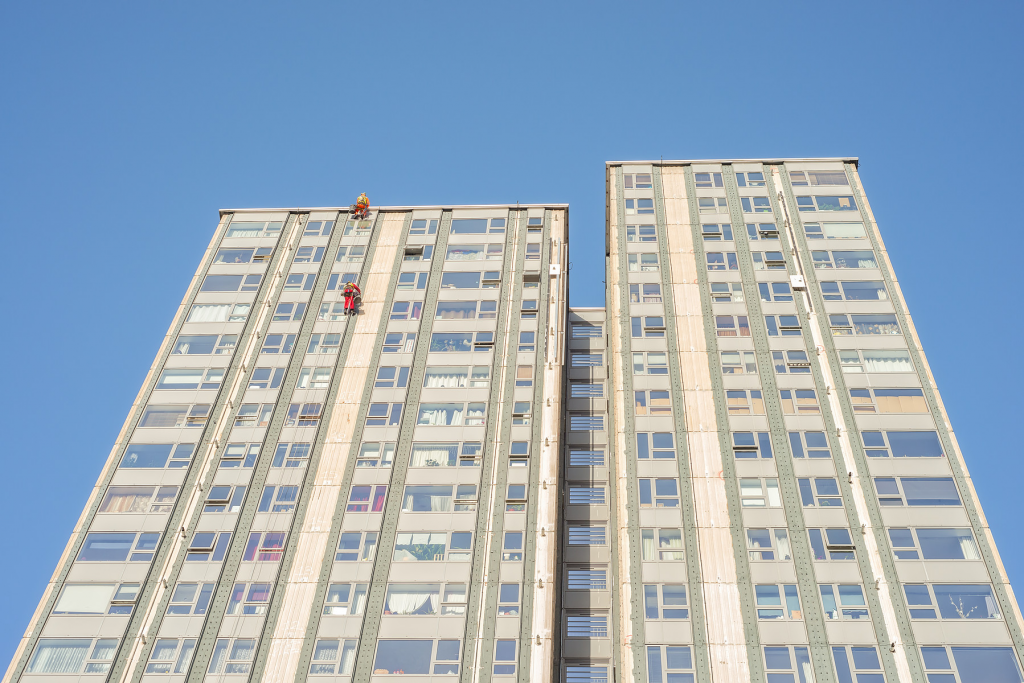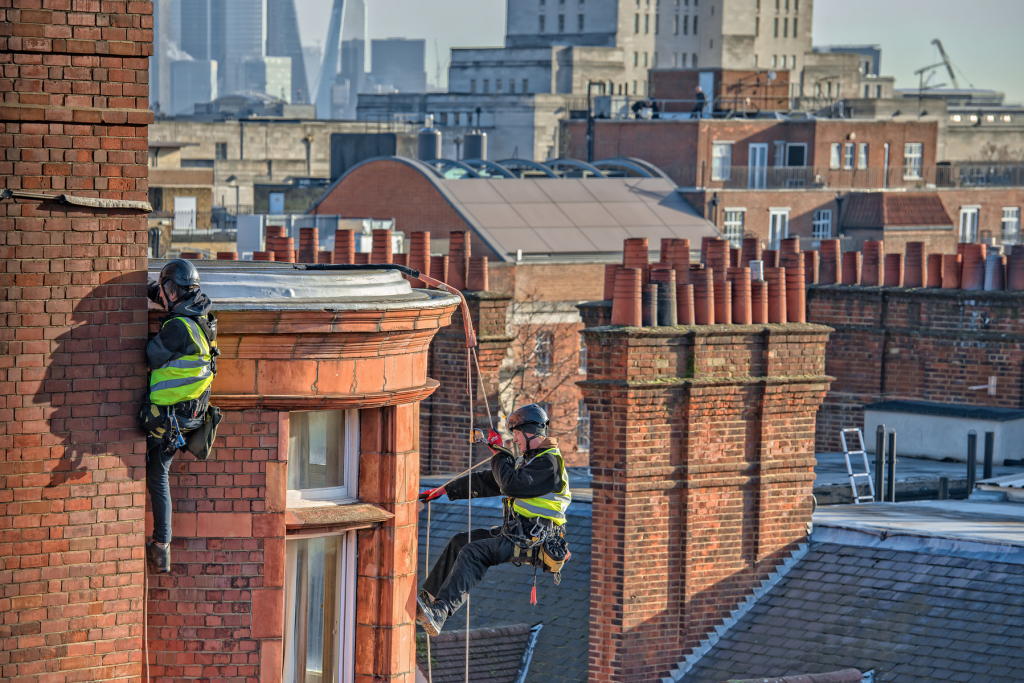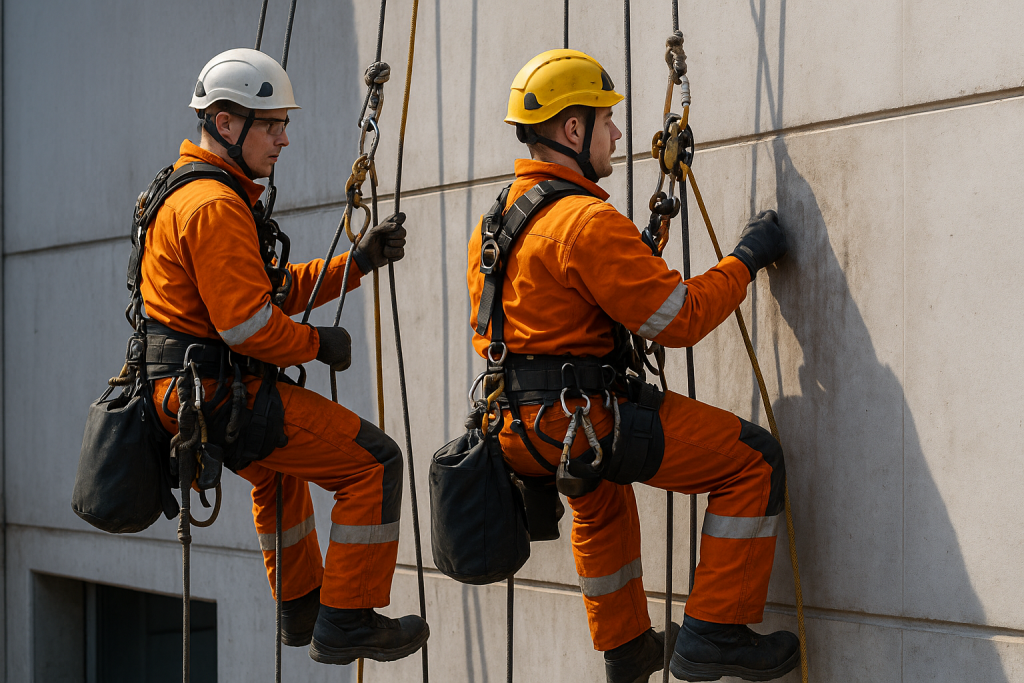

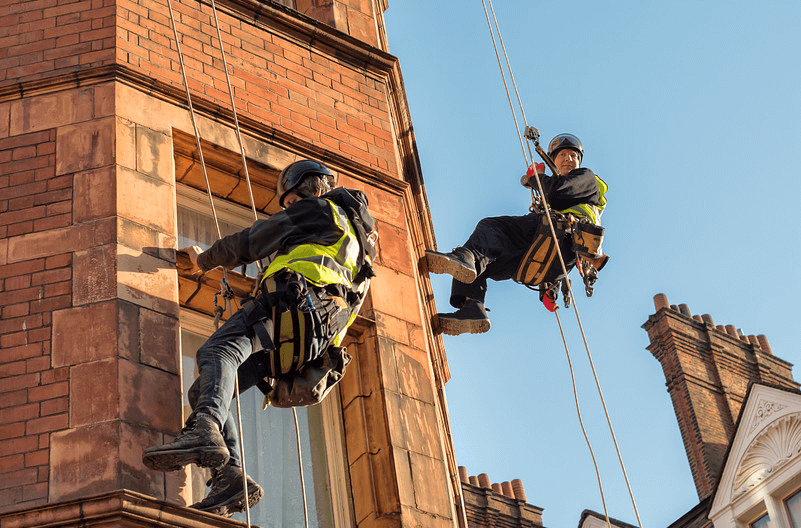
London’s skyline is magnificent. Towering glass facades catch the morning sun. Steel and concrete reach toward the clouds. But here’s the thing — every single one of these architectural marvels needs maintenance.
Traditional scaffolding is expensive, disruptive, and frankly, outdated. Rope access has revolutionised how we approach high-level building maintenance.
At Rope Access in London (RAIL), we’ve helped countless property owners discover a better way to care for their buildings.
Rope access is a sophisticated, safety-focused approach that delivers results traditional methods simply can’t match. Whether you’re managing a residential block in Canary Wharf or an industrial facility in East London, rope access offers solutions that are faster, more cost-effective, and remarkably versatile.
Why Is Rope Access the Future of High-Rise Maintenance?
The construction industry loves tradition. Unfortunately, tradition often means inefficiency. Scaffolding has dominated high-level maintenance for decades, but it’s time for change.
Speed That Actually Matters
Think about scaffolding installation. Teams spend days, sometimes weeks, erecting a metal maze around your building. Traffic gets disrupted. Pedestrians detour. Business operations slow to a crawl.
We’ve seen commercial clients lose thousands in revenue whilst waiting for scaffolding to go up.
Rope access changes everything. Our technicians can be working within hours of arrival. No lengthy setup periods. No neighbourhood disruption.
For our commercial building maintenance projects, this means minimal business interruption and maximum efficiency.
Cost-Effectiveness That Makes Sense
Scaffolding costs are no joke. Materials, labour, transport, insurance, permits — the expenses can quickly accumulate.
Consider external painting on a 20-storey building. Scaffolding costs alone can exceed £50,000 before any painting begins.
Our rope access approach delivers the same quality finish at a fraction of the cost. We pass these savings directly to our clients.
Access to the Impossible
Some buildings seem designed to frustrate maintenance teams. Curved facades, overhanging structures, buildings nestled between others — scaffolding often can’t reach these areas effectively.
Rope access thrives in these challenging environments. We can complete work on complex architectural features that is impossible with scaffolding.
What Makes Rope Access Safer Than Traditional Methods?
Safety concerns often arise when people first encounter rope access. Dangling from ropes hundreds of feet up? Surely scaffolding is safer? The statistics tell a different story.
Redundancy Is Everything
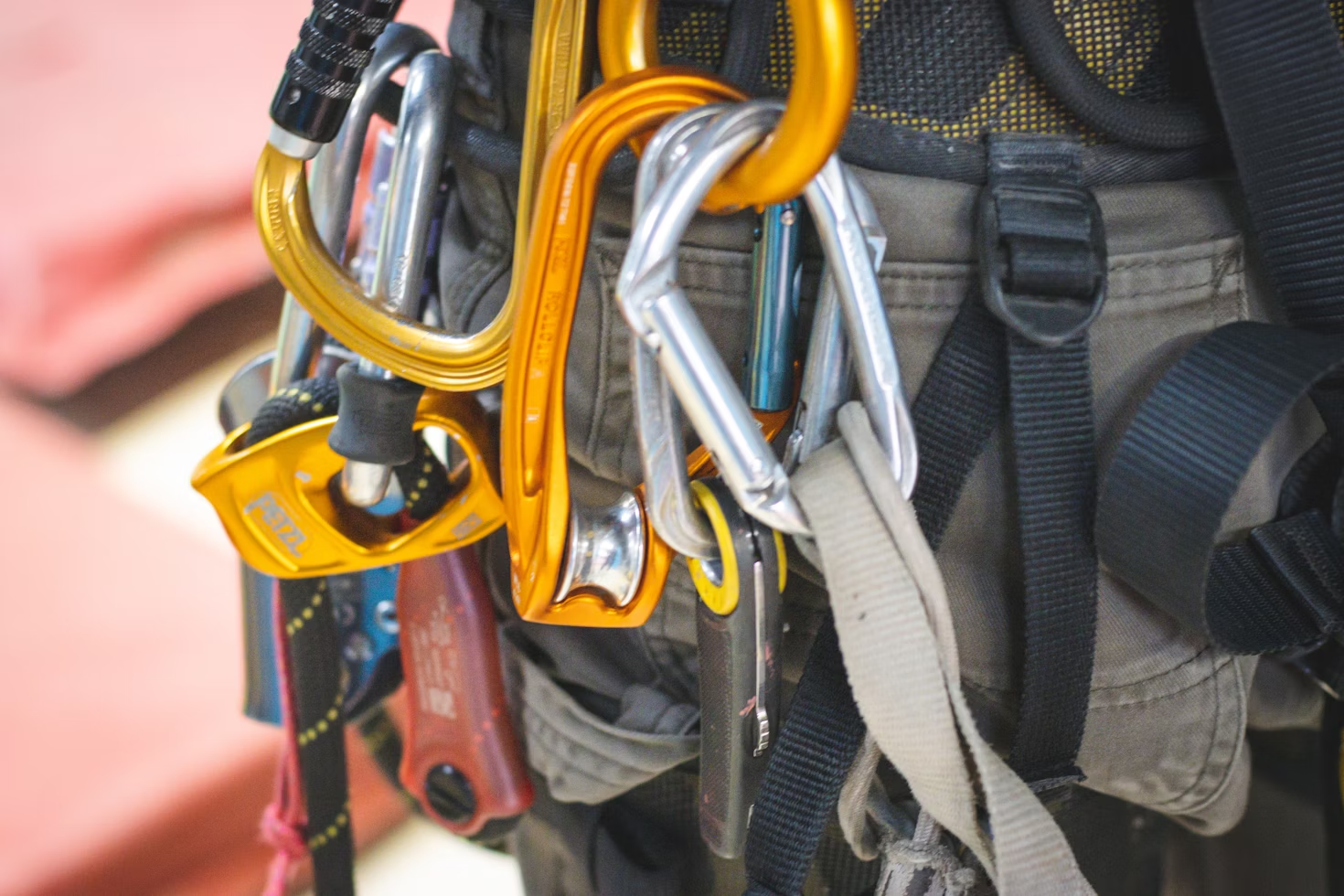
Every rope access system employs dual redundancy. We never rely on a single point of failure. Our technicians use primary and backup rope systems simultaneously.
If one system experiences issues, the backup immediately takes over. This redundancy makes rope access statistically safer than scaffolding.
The Health and Safety Executive recognises rope access as an extremely safe working method when properly executed. Our accident rates are significantly lower than traditional scaffolding operations. We’ve maintained an impeccable safety record across thousands of projects.
Training That Never Stops
Our technicians are specialists in their fields. We employ qualified welders, electricians, painters, cleaners, and plumbers who’ve undergone comprehensive rope access training.
Each technician holds industry-recognised certifications and participates in ongoing safety education.
Weather Adaptability
British weather tests every maintenance method. Scaffolding becomes treacherous in high winds. Ice makes platforms deadly slippery. Rain creates hazardous working conditions.
Rope access offers superior weather adaptability. Our systems handle wind conditions that would shut down scaffolding operations. This adaptability means fewer project delays and more reliable completion schedules.
Conclusion
Rope access has transformed high-level building maintenance from a disruptive necessity into an efficient, cost-effective service. At Rope Access in London (RAIL), we’ve helped building owners across London discover the advantages of modern maintenance techniques.
Whether you’re maintaining a residential block, commercial office, or industrial facility, rope access delivers superior results at lower costs.
Don’t let outdated maintenance methods hold your building back. Contact us to discover how rope access can transform your approach to high-level maintenance! Your building deserves the best care possible, and we’re here to provide it.
Frequently Asked Questions
How long do rope access technicians typically train before working independently?
Initial rope access certification takes approximately two weeks of intensive training. However, achieving true proficiency requires 6-12 months of supervised field experience. Our technicians undergo additional specialist training in their chosen trades — welding, electrical work, or painting — which can add several years to their development timeline.
How do rope access costs compare across different building heights?
Rope access becomes increasingly cost-effective as building height increases. Buildings under five storeys may find traditional methods competitive. However, structures exceeding ten storeys typically see 50-70% cost savings with rope access. The savings increase dramatically for buildings over 20 storeys due to scaffolding complexity and material costs.
What planning permissions or notifications are required for rope access work?
Most rope access operations require minimal planning permissions compared to scaffolding. However, work on listed buildings, conservation areas, or involving road closures may require local authority notification. We handle all necessary permits and notifications as part of our comprehensive service package.