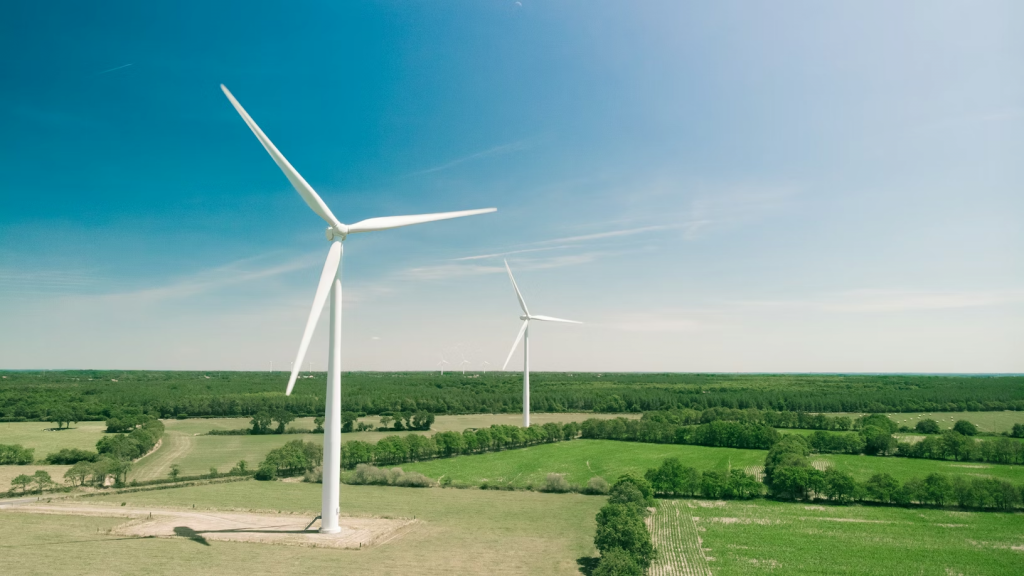

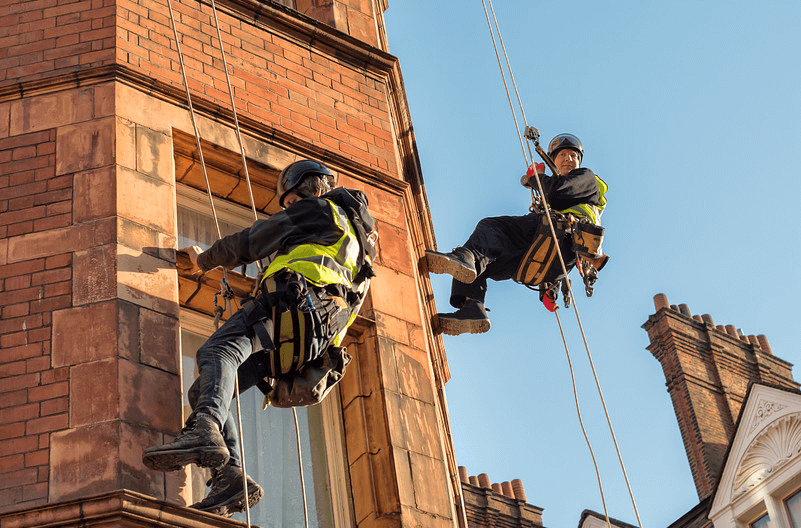
A blade repair technician is a skilled professional who inspects, maintains, and fixes the blades on wind turbines and, less often, other rotor machines. Their main job is to make sure these key parts run safely and efficiently, which supports the wider renewable energy sector.
It’s a demanding but very rewarding role that blends hands-on technical work with a need for courage, often at great heights.
These technicians are the quiet backbone of the wind industry, carefully checking and repairing the huge blades that capture wind power. Without their work, wind farms would soon wear out, which would hurt our shift to cleaner energy.
At Rope Access in London (RAIL), we’ve built extensive experience in wind turbine maintenance, deploying skilled technicians who combine rope access expertise with specialist repair capabilities.
What Is the Primary Role of a Blade Repair Technician?
The main role of a blade repair technician is to protect the condition and performance of wind turbine blades. This covers a full set of tasks, from routine checks to complex structural fixes.
They are the first line against wear, weather damage, and factory defects that could reduce performance or even cause major failure.
They do more than fix problems. They also carry out preventative maintenance, spotting issues early before they grow into costly outages. This forward-looking approach is very important in a field where downtime is expensive.
Which Industries Employ Blade Repair Technicians?
Whilst wind energy is by far the biggest employer of blade repair technicians, their skills are also useful in other areas. Most roles sit in renewable energy, especially wind power, across both onshore and offshore wind farms. This is where most jobs are, matching the growth of wind energy worldwide.
Any industry that uses large composite blades or rotor systems may also need their skills. This can include parts of aerospace (for some propellers) or marine (for large propulsion systems).
What Are the Main Responsibilities of a Blade Repair Technician?
Their responsibilities are wide and important, spanning everything from first damage checks to the careful use of repair materials. Daily work calls for technical know-how, strict safety habits, and a steady, logical approach to fixing problems.
Inspection and Assessment of Blade Damage
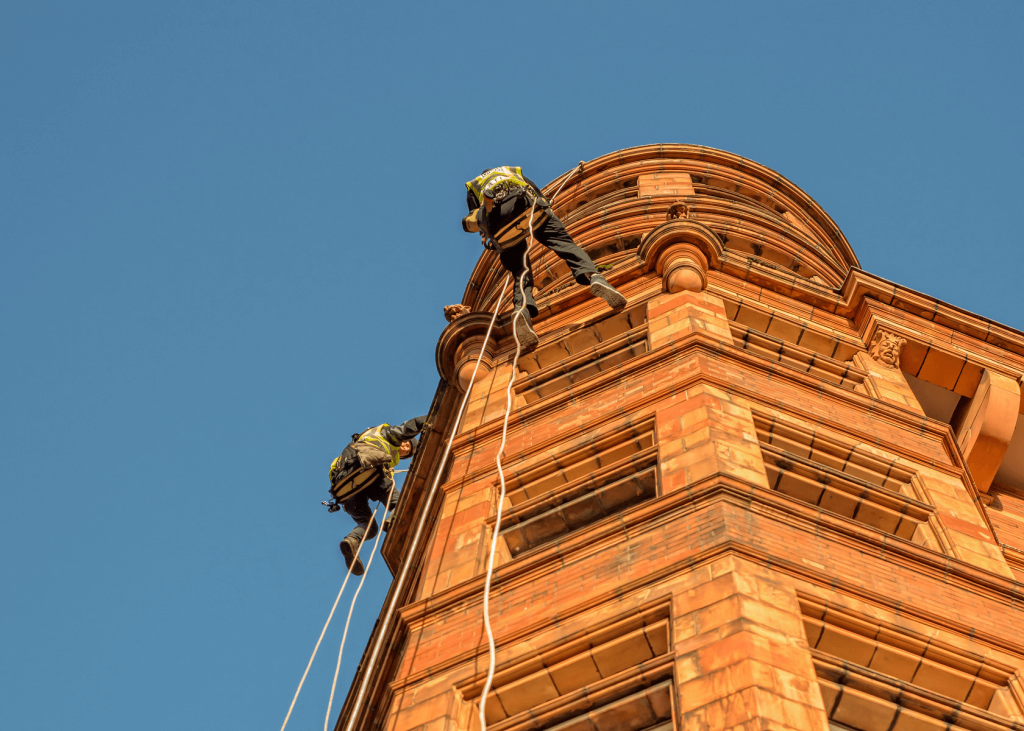
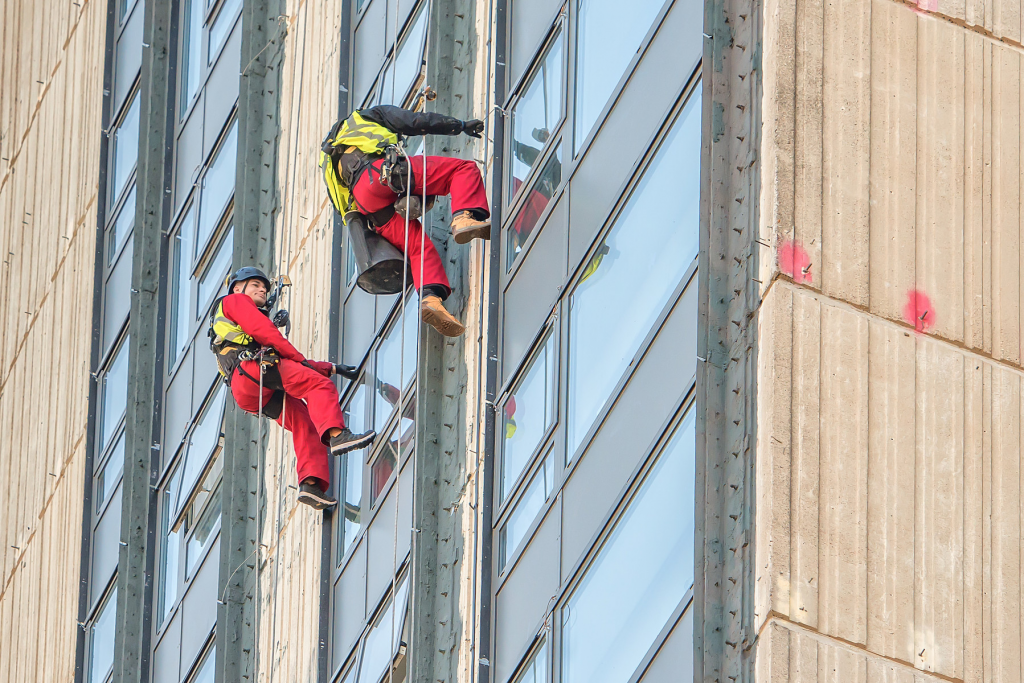
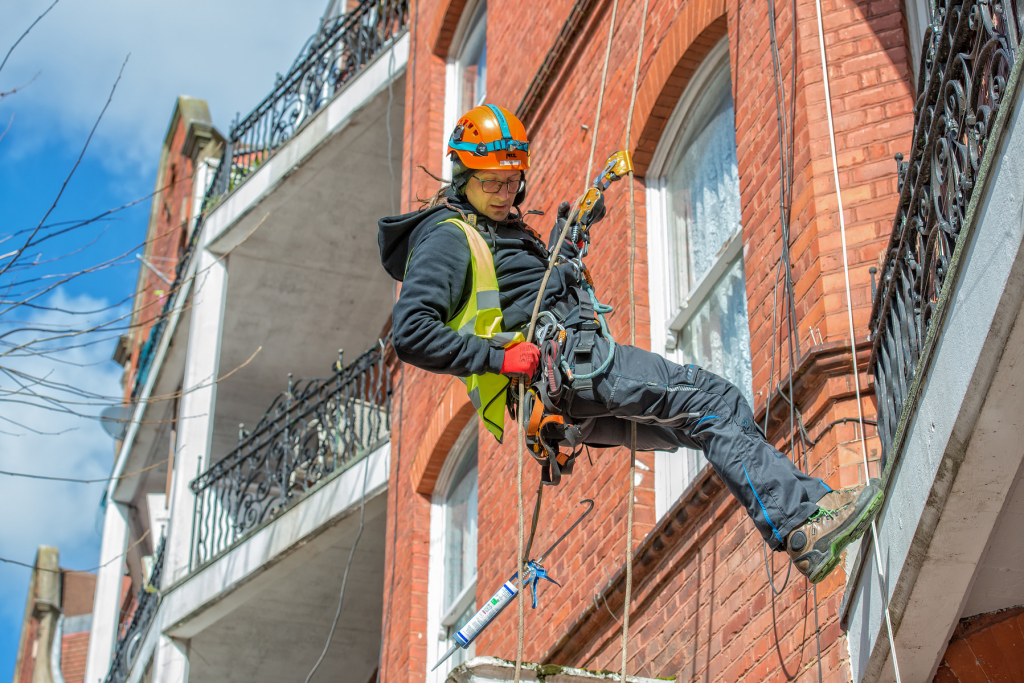
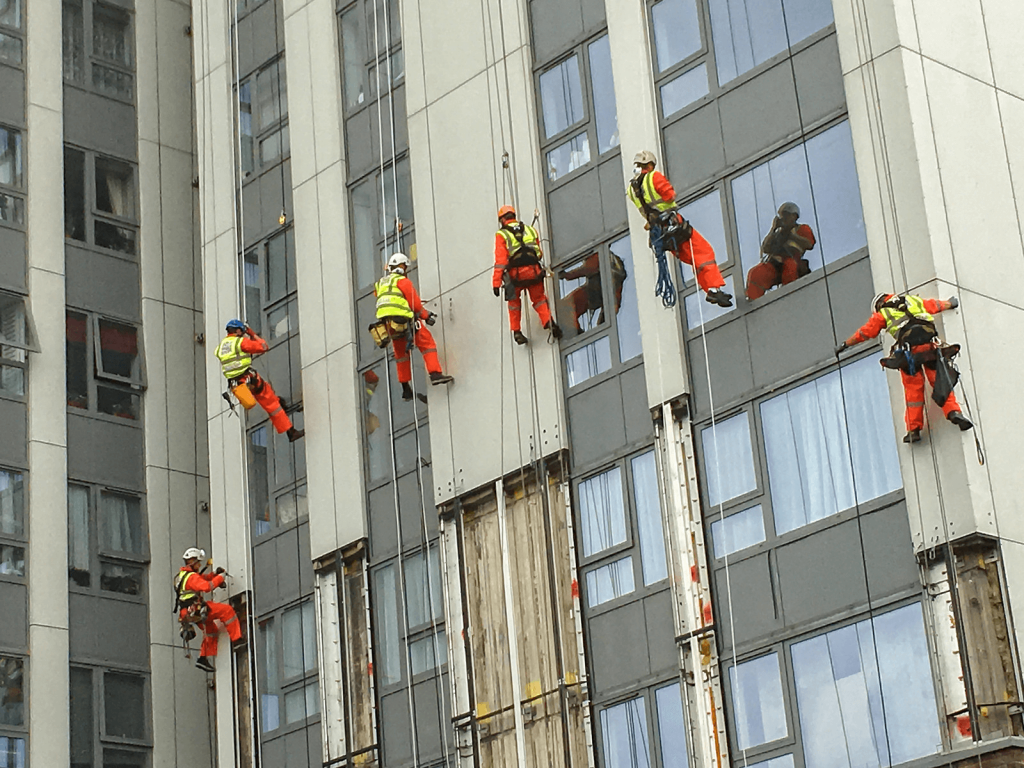
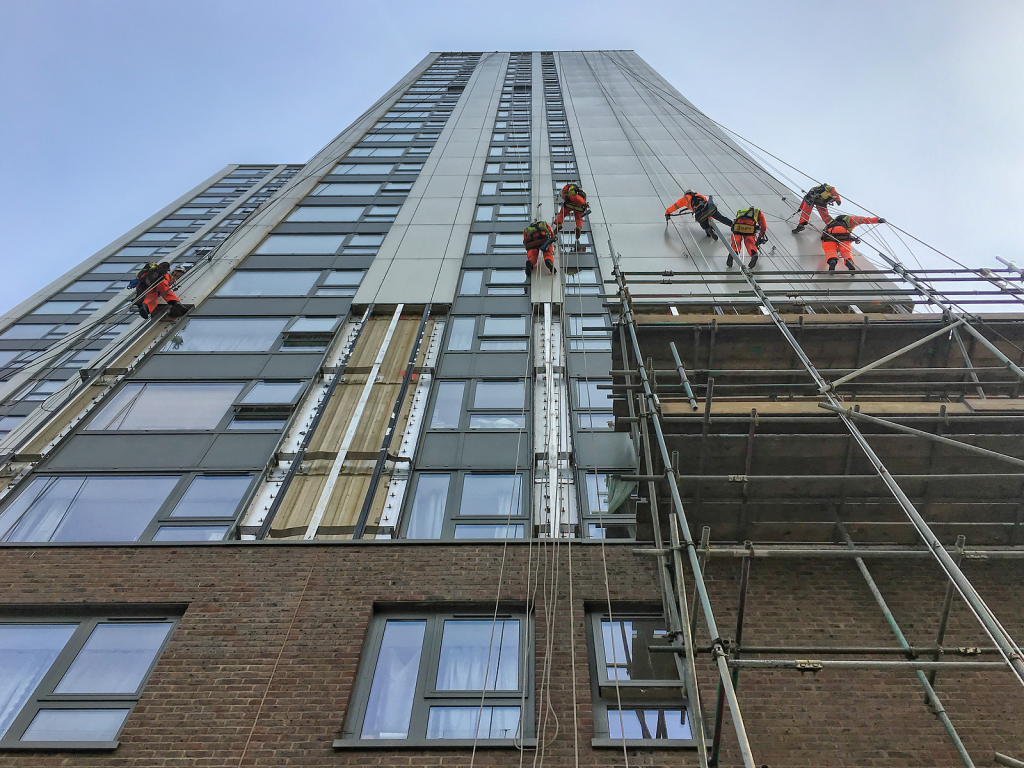
One of the most important tasks is a thorough inspection and evaluation of blade damage. This is far more than a quick look. It involves detailed visual checks, often from suspended platforms or using rope access, to find even tiny cracks, delamination, or erosion.
Technicians look for:
- signs of lightning strikes
- leading edge erosion
- structural fatigue
- manufacturing flaws that show up over time
After finding issues, they record them clearly, rate their seriousness, and create a clear repair plan. This first step guides the whole repair, so accuracy is very important.
Repair and Maintenance of Wind Turbine Blades
This is where their hands-on skill shows. With the right tools and composite materials, they carry out repairs based on what they found. Jobs range from filling small surface marks with specialist fillers to complex structural rebuilds using layers of fibreglass, carbon fibre, and resin systems.
Maintenance also includes adding protective coatings, cleaning, and keeping drain holes clear. The aim is not just to fix the problem but to bring the blade back to its original strength and aerodynamic shape, so it can run safely and efficiently for years. Precision and a good grasp of composite material behaviour matter a lot here.
At RAIL, our specialist painters understand protective coating systems intimately. We apply advanced weather-resistant coatings that protect blades from UV degradation, erosion, and moisture ingress, extending blade life significantly.
Documentation and Reporting
No job ends without proper paperwork. Blade repair technicians write detailed reports on their findings, the repair steps, materials used, and time spent. This careful record keeping serves many purposes: it creates a history of blade condition, helps plan future upkeep, and supports warranty and regulatory needs.
Following Safety Regulations and Procedures
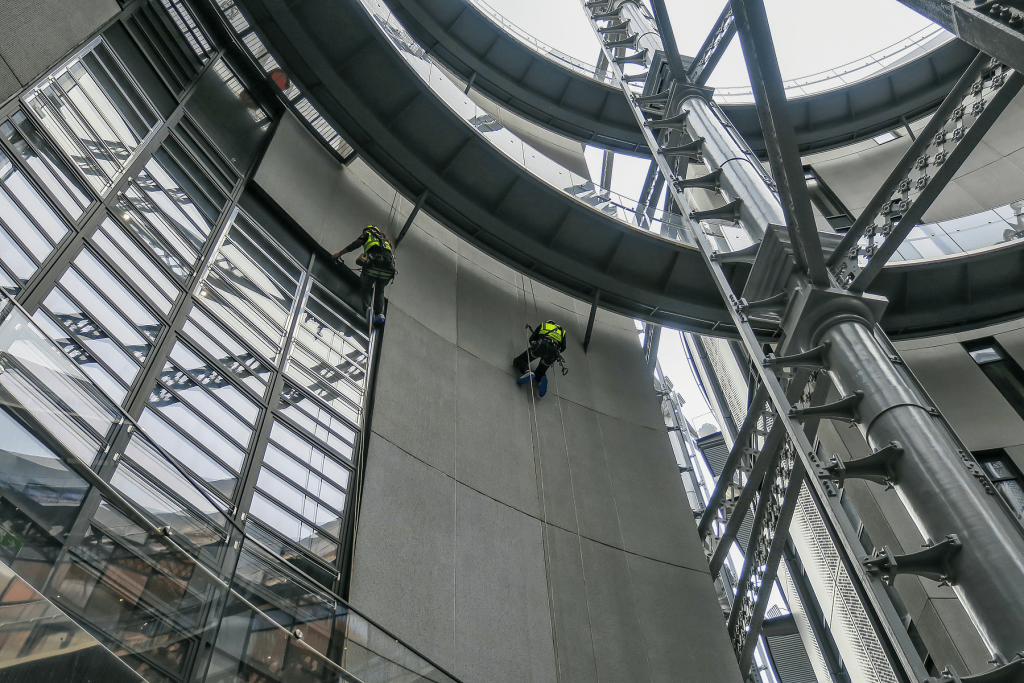
Because the work involves heights and tough weather, following safety rules is a must. Blade repair technicians complete extensive safety training, including rope access, working at height, confined space entry, and first aid.
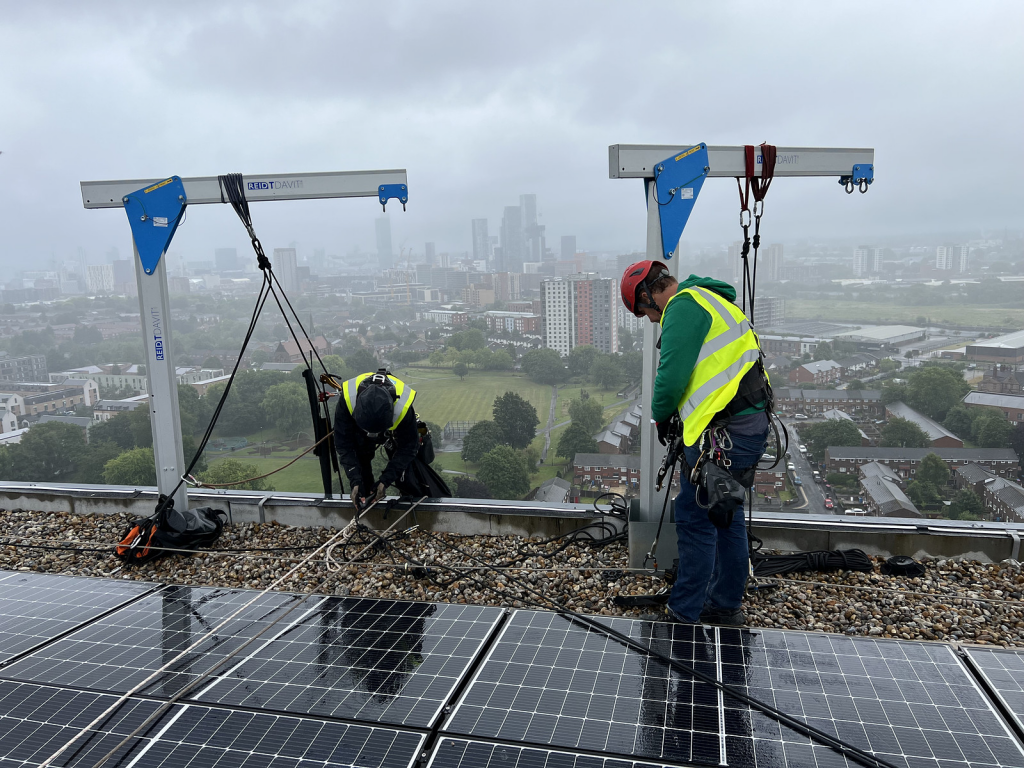
Safety underpins everything we do at RAIL. All our technicians hold current IRATA certification, demonstrating internationally recognised competence in rope access work. We maintain rigorous safety protocols, conduct detailed risk assessments for every project, and never compromise on safety standards regardless of operational pressures.
Need professional wind turbine blade inspection or repair?Contact us!
What Skills and Qualifications Does a Blade Repair Technician Need?
To be effective, a blade repair technician needs practical skills, solid theory, and a strong body and mind. The role calls for ongoing learning and the ability to adapt.
Technical Expertise in Composite Materials
Core skills centre on composite materials. Wind turbine blades are mostly made from fibreglass and carbon fibre, bonded with resins. Knowing how these materials behave under load and how to repair them the right way is key.
This includes knowledge of different resin systems (epoxy, polyester, vinylester), core materials (balsa wood, foam), and methods for laminating, bonding, and curing. Technicians prepare surfaces, mix resins accurately, apply fabrics, and manage curing so the repair is strong and durable. This is hands-on work backed by solid material science.
Physical Fitness and Ability To Work at Heights
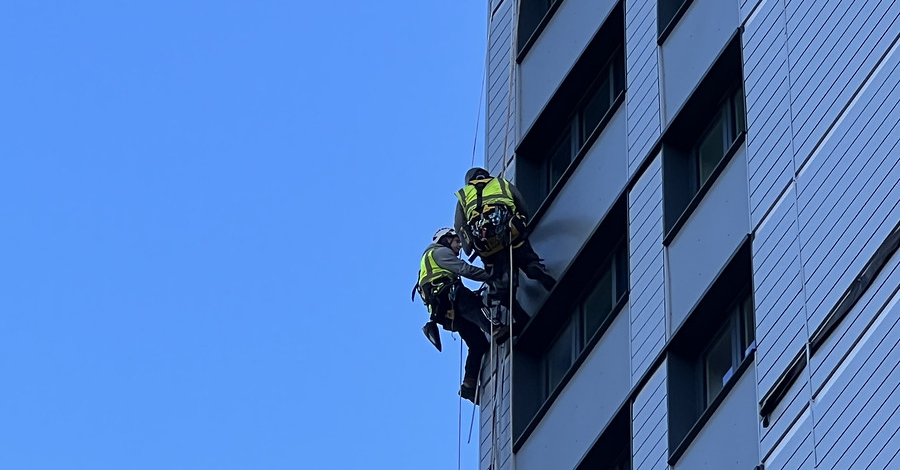
Work often happens hundreds of feet up, sometimes in harsh weather. Good fitness is needed. Technicians climb ladders, move in tight spaces, and spend long periods on ropes or platforms.
A technician abseiling down a wind turbine blade in a remote landscape, demonstrating maintenance work at height.
They also need a steady head for heights and the ability to stay calm under pressure. The job demands focus and precision in exposed, elevated settings. Regular medical checks confirm they are fit to work at height.
Certifications and Training Requirements
To work legally and safely, specific certifications and training are required. Common Global Wind Organisation (GWO) standards include:
- Working at Height
- First Aid
- Manual Handling
- Fire Awareness
- Sea Survival (for offshore work)
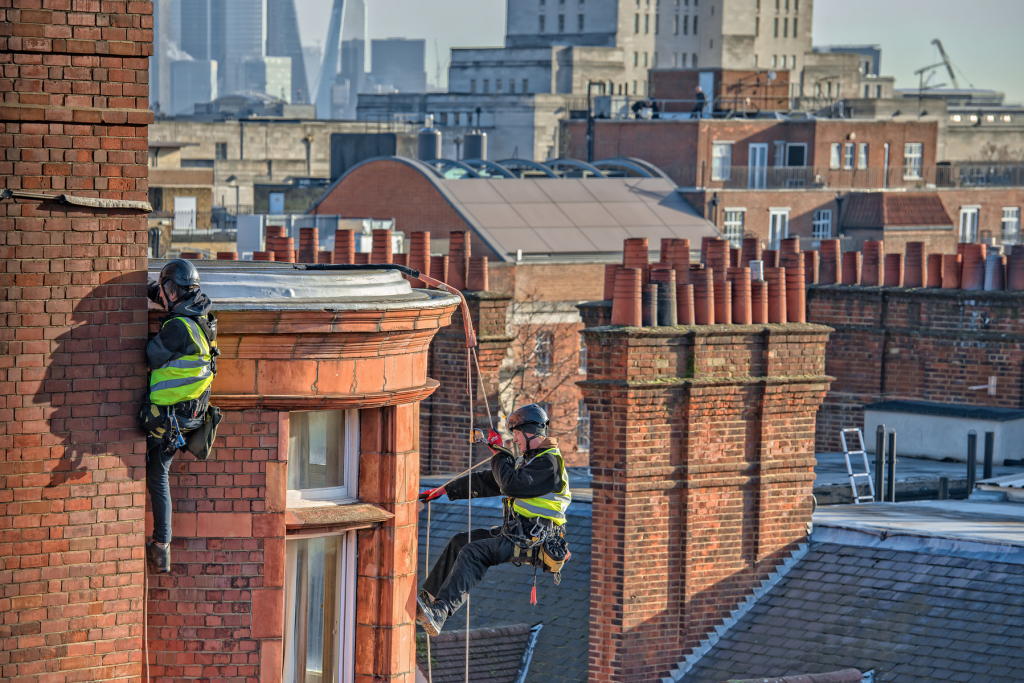
Many roles also need rope access qualifications such as IRATA (Industrial Rope Access Trade Association), showing safe access and work on blades using ropes.
Problem-Solving and Analytical Skills
Whilst many repairs follow set guides, each damage case is a bit different. Technicians need strong problem-solving and analytical skills to find the cause, choose the best repair plan, and adjust to site conditions.
This can include reading technical drawings, judging the extent of internal damage, or creating a short-term fix to stabilise a blade before a full repair. Clear thinking under pressure and sound decisions mark an effective blade repair technician.
How Does a Typical Workday Look for a Blade Repair Technician?
Their day is rarely the same, shaped by weather, site location, and the work needed. It’s a fast-changing setting that calls for flexibility and readiness.
Daily Tasks and Workflow
The day often starts with a team briefing covering tasks, safety steps, and weather. On turbine jobs, teams climb to the nacelle and set up access, either ropes or a platform. Once on the blade, the planned inspection or repair begins.
Work may include grinding out damage, preparing surfaces, mixing and applying composites, and watching the cure. Communication with the ground crew and team lead stays constant so everyone knows progress and any issues. Technicians also keep records during the job or right after each repair stage.
Field Work Versus Workshop Duties
Most work happens in the field at remote wind farms, onshore and offshore. This means travel, outdoor work in varied weather, and repairs done right on the turbine. This is the adventurous, high-energy side of the role.
There can also be workshop tasks, such as preparing materials, making small parts, fixing tools, or running training. Some companies handle large blade sections in a workshop for major repairs, though most fixes happen on site.
| Field work | Workshop duties |
| Remote sites (onshore/offshore) | Company facility |
| Inspections and repairs on turbine | Material prep, tooling, training |
| Weather-dependent, time-sensitive | Controlled environment |
| Travel and site logistics | Planned schedules |
Travel and Worksite Logistics
Travel is part of the job. Technicians often spend long periods away, visiting different wind farms at home and abroad. This may include long drives, helicopter rides to offshore platforms, or boat trips to offshore sites.
Site logistics are complex and need planning for gear transport, lodging, and coordination with operators. Technicians must adjust to changing schedules, weather delays, and the needs of each location. The ability to live and work well in a close team, often in isolated places, is very important.
Looking for reliable wind turbine maintenance partners?Our specialists are ready to support your wind farm operations.
What Are the Benefits and Challenges of Working as a Blade Repair Technician?
Like other specialist roles, this job brings strong benefits along with real challenges. It offers solid personal growth and career development, plus unique demands.
Career Opportunities and Progression
Wind energy is growing fast, creating many opportunities for skilled blade repair technicians. As new wind farms are built and older ones age, demand rises. Career paths can lead to senior technician, team lead, supervisor, trainer, or quality roles.
There are also ways to specialise, such as advanced composite repairs, certain turbine models, or offshore work. These skills transfer well across the wider renewable sector, offering a stable and future-focused career path.
Workplace Hazards and Risk Management
The challenges stem from the risks of working at height and in tough weather (wind, rain, cold). There is exposure to UV, noise, and physical strain.
Managing these risks matters most. Teams complete strong safety training, follow safety steps closely, check equipment often, and build a strong safety culture. Even with care, accidents can happen, so risk checks and controls never stop.
Job Satisfaction and Rewards
Many technicians find the work highly rewarding. There is real pride in bringing a damaged blade back to full use, knowing the result is clean power on the grid. The practical nature of the role, travel, and close teamwork also add to job satisfaction.
Pay is competitive, reflecting the skills and demands of the job. For people who enjoy hands-on challenges and care about clean energy, this career offers a mix of adventure, purpose, and growth.
Conclusion
In the end, the role of a blade repair technician is far more than simply fixing damaged turbine blades — it is about safeguarding the efficiency, reliability, and sustainability of modern wind energy.
The wind energy sector continues expanding, with turbines growing larger and blade designs becoming more sophisticated. This evolution creates both opportunities and challenges for blade repair technicians.
Frequently Asked Questions
How long does it take to become a qualified blade repair technician?
The pathway typically takes 6-12 months of intensive training and practical experience. This includes obtaining IRATA Level 1 rope access certification (approximately 1 week of training plus assessment), completing GWO modules (typically 2-4 weeks total), and undergoing composite repair training (ranging from basic courses of a few days to advanced programmes spanning several weeks).
However, becoming truly proficient requires 1-2 years of practical field experience under supervision.
Can blade repair technicians work internationally?
Absolutely. Wind energy is a global industry, and blade repair skills are in demand worldwide. IRATA certification is internationally recognised, making UK-qualified technicians employable across Europe, North America, Asia, and other markets.
How dangerous is blade repair work compared to other wind turbine roles?
Statistically, rope access work has an excellent safety record when conducted by properly trained, certified technicians following established procedures. The dual-rope system provides redundancy, and the focus on risk assessment and safety culture helps prevent incidents.
Compared to nacelle-based work or tower climbing, blade repair involves more exposure to open air and potentially more challenging positioning. That said, with proper training, equipment, and safety culture, it’s a manageable risk.