
When tenants report damp and mould, many landlords’ first response is to send a housing officer or maintenance worker to inspect the property internally. Whilst this is an important first step, internal inspections alone are insufficient for identifying the root causes of damp and mould problems.
Awaab’s Law requires landlords to investigate hazards thoroughly and address underlying defects — not just treat symptoms. This demands comprehensive external building surveys that only specialist access methods like rope access can deliver.
Here’s why internal inspections fall short, and why full structural surveys are essential for Awaab’s Law compliance.
Internal Inspections Can’t See External Defects
The vast majority of damp and mould problems in social housing properties originate from external building defects: damaged roofs, blocked gutters, cracked facades, deteriorating chimney stacks, and failed window seals. These defects allow water to penetrate the building fabric, creating the damp conditions where mould thrives.
An internal inspection can identify the symptoms, but it cannot diagnose the cause. A housing officer looking at mould in a bedroom cannot see that the roof above has missing tiles, or that the gutter outside is blocked and overflowing.
Without identifying and addressing the external defect, any internal treatment (such as mould washes or dehumidifiers) will be temporary at best.
Awaab’s Law explicitly requires landlords to investigate the cause of hazards and complete works to prevent them recurring. This is impossible without examining the external building fabric.
Height and Access Limitations
Many external building defects occur at height or in areas that are difficult to see from ground level. Roof damage, high-level gutter blockages, parapet wall defects, and facade cracks on upper floors cannot be properly assessed without gaining safe access to these areas.
Traditional internal inspections rely on visual observation from ground level or from inside the property, which is inadequate for diagnosing external defects. Even binoculars or telephoto cameras cannot provide the detailed, close-up inspection needed to assess the severity of defects and plan appropriate remediation.
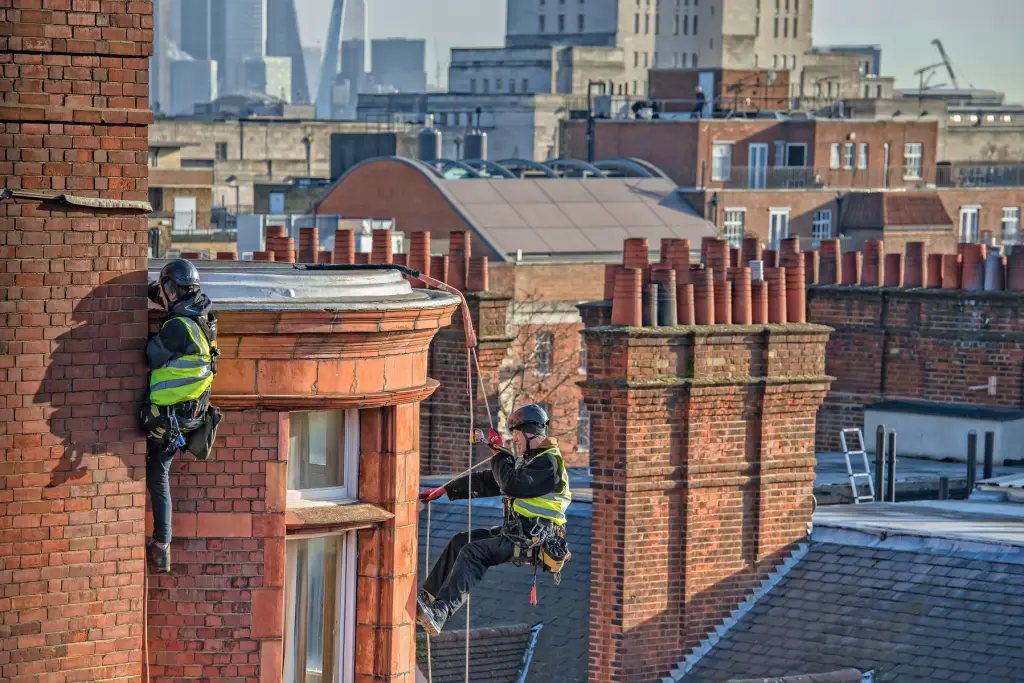
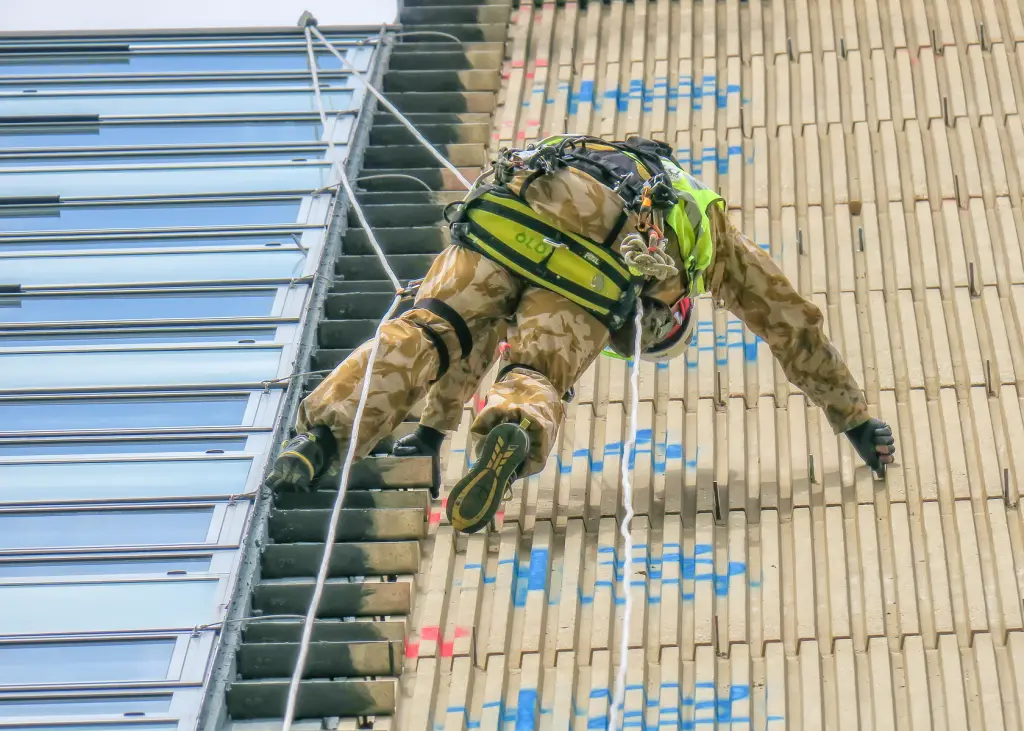
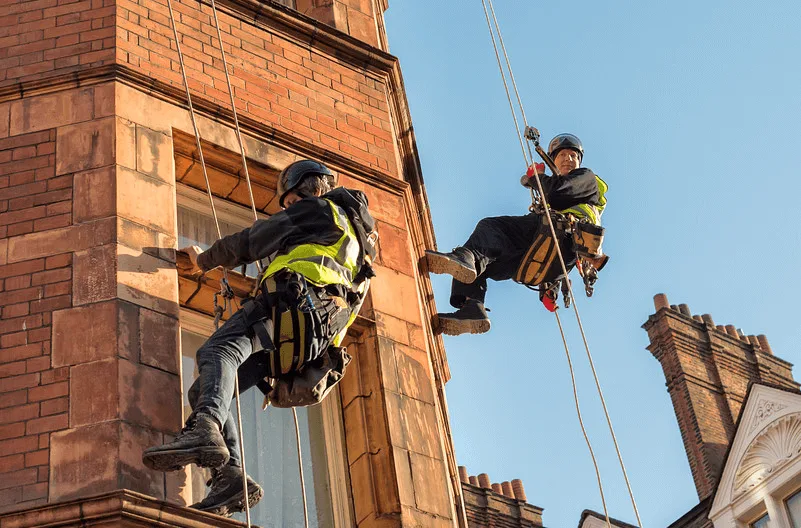
Rope access eliminates these limitations. Our IRATA-certified technicians can access any part of a building’s exterior, conducting hands-on inspections of roofs, facades, gutters, chimneys, and other vulnerable areas.
This level of detail is essential for accurate diagnosis and effective remediation.
Misdiagnosis Leads to Wasted Time and Money
Without a full structural survey, landlords risk misdiagnosing the cause of damp and mould problems.
It’s tempting to attribute these issues to “tenant lifestyle” — cooking, bathing, drying laundry. However, Awaab’s Law guidance makes clear that everyday activities are not a breach of tenancy and should not be assumed to be the sole cause.
Misdiagnosis leads to wasted effort and expense. Installing more powerful extractor fans won’t help if the real problem is a leaking roof. Providing dehumidifiers is futile if blocked gutters are saturating external walls. And treating mould growth internally does nothing if water continues to enter through cracked facade render.
Full structural surveys using rope access identify the true cause of damp problems, enabling landlords to implement effective, lasting solutions.
This not only satisfies Awaab’s Law requirements but also saves money in the long run by avoiding repeated call-outs and ineffective treatments.
Explore our waterproofing solutionsMultiple Defects Require Comprehensive Assessment
Damp and mould problems are often caused by multiple contributing factors, not a single defect.
A property might have a combination of blocked gutters, damaged roof tiles, and failed window seals, all allowing water ingress at different points. Identifying all contributing factors requires a systematic, comprehensive survey of the entire external building fabric.
Rope access is perfect for this purpose. Our technicians survey all elevations, roofs, gutters, chimneys, and other external elements, documenting every defect and assessing its contribution to internal damp problems.
Proactive Identification of Emerging Issues
Full structural surveys don’t just diagnose current problems — they identify emerging issues before they cause hazards. A rope access inspection might reveal roof tiles that are cracked but not yet leaking, gutters that are partially blocked, or facade cracks that are small but will worsen over time.
Addressing these issues proactively prevents future damp and mould problems, reducing emergency call-outs and keeping tenants safe.
Stay ahead of Awaab’s Law requirements.Schedule annual rope access building surveys today!
Conclusion: Full Structural Surveys Are Essential
Internal inspections have their place in the Awaab’s Law process, but they are only the beginning.To truly understand and address damp and mould hazards, landlords must invest in comprehensive external building surveys using specialist access methods. Rope access provides the speed, detail, and cost-effectiveness needed to meet Awaab’s Law requirements whilst protecting tenants and preserving building assets.