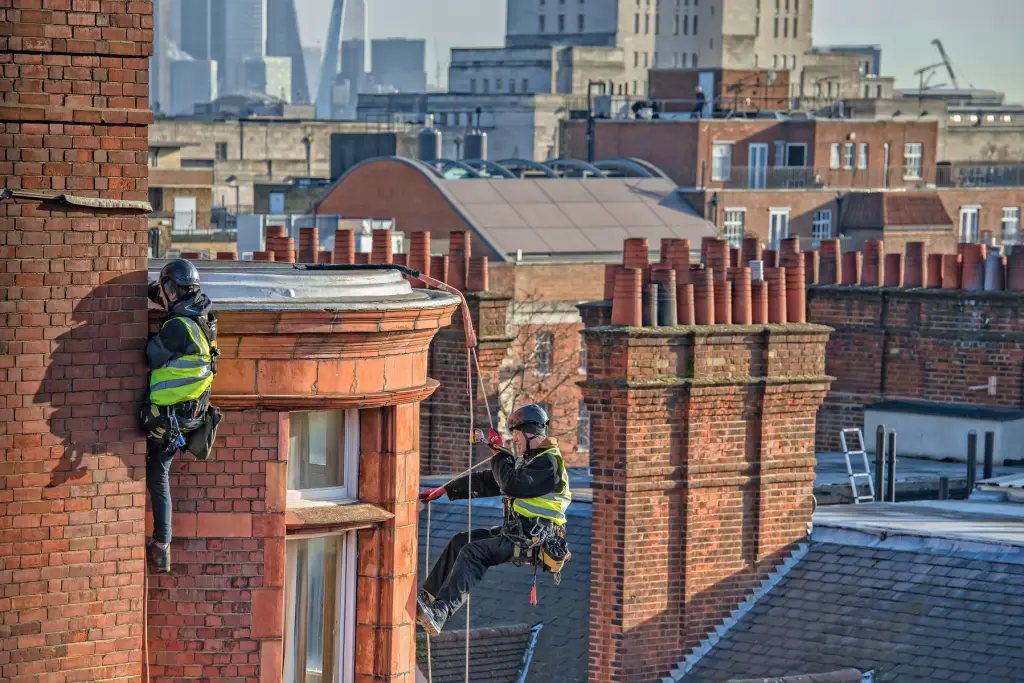
Damp and mould in social housing are complex issues, but they’re often oversimplified or misunderstood. Landlords, tenants, and even maintenance professionals sometimes operate on assumptions rather than evidence, leading to misdiagnosis, ineffective treatments, and ongoing hazards.
Awaab’s Law requires landlords to investigate thoroughly and address root causes — not just treat symptoms or blame tenants. Rope access investigations provide the objective, evidence-based analysis needed to separate myth from reality.
Here are the most common myths about damp and mould causes, and how rope access helps uncover the truth.
Myth 1: “It’s Always the Tenant’s Fault — They’re Not Ventilating Properly”
This is perhaps the most pervasive and damaging myth. Many landlords assume that damp and mould are caused by tenants failing to open windows, use extractor fans, or heat their homes adequately.
Awaab’s Law guidance explicitly challenges this assumption, stating that everyday activities like cooking, bathing, washing, and drying laundry inevitably produce moisture and should not be considered a breach of tenancy.
The Reality: Whilst inadequate ventilation can contribute to condensation, it’s rarely the sole cause of significant damp and mould problems. In most cases, structural or maintenance defects are allowing water ingress from outside, creating damp conditions that no amount of ventilation can resolve.
How Rope Access Reveals the Truth: Rope access investigations identify defects that internal inspections miss. If our technicians find blocked gutters overflowing onto walls, damaged roof tiles allowing water ingress, or failed window seals permitting rainwater entry, the evidence is clear: the problem is structural, not behavioural.
Learn about our Building Surveying servicesMyth 2: “Mould Only Grows in Cold, Unheated Homes”
Another common assumption is that mould is caused by tenants keeping their homes too cold, creating conditions where condensation forms on cold surfaces.
Whilst inadequate heating can contribute to condensation issues, mould can and does grow in well-heated homes if structural defects are present.
The Reality: Mould requires three things to grow: moisture, organic material (such as wallpaper, plaster, or wood), and moderate temperatures. Even a well-heated home can develop severe mould problems if water is entering from outside through building defects.
How Rope Access Reveals the Truth: When landlords investigate mould complaints and find that tenants are heating their homes adequately, rope access provides the next layer of investigation: examining external building elements for water ingress points. Our technicians identify the source of moisture, whether it’s a damaged roof, deteriorating chimney, or failed external waterproofing.
Myth 3: “If You Can’t See Defects from the Ground, They Don’t Exist”
Many building defects occur at height or in areas that aren’t visible from ground level. Landlords sometimes assume that if they can’t see obvious problems during a visual inspection from the ground, then no significant defects exist.
The Reality: Roof damage, high-level gutter blockages, parapet wall defects, and facade cracks on upper floors are often completely invisible from ground level. Even binoculars or telephoto cameras cannot provide the detailed, close-up assessment needed to evaluate severity and plan remediation.
How Rope Access Reveals the Truth: Rope access technicians physically access all external building elements, conducting hands-on inspections that reveal defects invisible from ground level. We document findings with close-up photographs, providing landlords with irrefutable evidence of the issues requiring attention.
Myth 4: “Damp and Mould Are Just Cosmetic Issues”
Some landlords and maintenance staff underestimate the seriousness of damp and mould, viewing them as minor cosmetic issues that can be addressed with a simple mould wash and a coat of anti-mould paint.
The Reality: Damp and mould pose serious health risks, particularly to vulnerable individuals such as children, elderly residents, and those with respiratory conditions or weakened immune systems. Prolonged exposure can cause or worsen asthma, bronchitis, respiratory infections, skin conditions, and mental health problems.
How Rope Access Reveals the Truth: By identifying and addressing the structural causes of damp and mould, rope access ensures that treatment is effective and lasting. We don’t just clean mould off walls — we find and fix the water ingress points that cause it, protecting tenants’ health and preserving building fabric.
Myth 5: “Fixing Damp Problems Is Always Expensive”
Many landlords delay addressing damp issues because they assume remediation will be prohibitively expensive, requiring extensive scaffolding, major structural works, or even complete rehousing of tenants.
The Reality: Many damp problems can be resolved with relatively simple, cost-effective interventions: clearing blocked gutters, replacing damaged roof tiles, repointing brickwork, or sealing facade cracks. The key is identifying the cause early and addressing it before it escalates into a major structural issue.
How Rope Access Reveals the Truth: Rope access investigations identify the specific defects causing dampness. Because rope access is significantly cheaper than scaffolding, overall costs are minimised. Early intervention via rope access prevents small problems becoming major expenses.
Explore our servicesMyth 6: “We Don’t Need to Investigate if Tenants Haven’t Complained”
Some landlords adopt a reactive-only approach, assuming that if tenants haven’t reported damp or mould, then no problems exist and no action is needed.
The Reality: Damp and mould can develop gradually, and tenants may not report issues until they become severe. By this point, structural damage may be extensive and health impacts significant. Additionally, some tenants may be reluctant to complain due to fear of eviction, language barriers, or disability.
How Rope Access Reveals the Truth: Proactive rope access inspections identify emerging damp risks before they cause hazards. Regular surveys of roofs, gutters, facades, and other vulnerable areas enable early detection and preventative maintenance, protecting tenants and reducing long-term costs.
Conclusion
Awaab’s Law requires landlords to investigate and address root causes, not rely on assumptions or myths.
Rope access provides the objective, evidence-based investigations needed to identify the true causes of damp and mould, enabling effective remediation that protects tenants’ health and ensures compliance.