
When Awaab’s Law landed on the statute books, it fundamentally changed the evidential landscape of building maintenance and defect investigation.
In the post-Awaab’s Law world, your documentation is your defence. And that’s precisely where rope access techniques offer something that traditional inspection methods simply cannot match: irrefutable, comprehensive, close-quarters photographic and video evidence of your building’s actual condition.
Why Has Documentation Become the Make-or-Break Factor in Awaab’s Law Cases?
The legislation’s tight timescales — 14 days to investigate, 7 days to begin remediation — create what lawyers call an “evidential burden.” You need to demonstrate not just that you acted, but that you acted competently, thoroughly, and within the prescribed timeframes.
And in any dispute, the party with the better documentation usually prevails.
The Investigation Timeline Creates an Evidential Trail
Think about what Awaab’s Law actually requires: when a tenant reports a health hazard like damp or mould, you have 14 calendar days to investigate and identify the cause. Not 14 working days. Not “approximately two weeks.” Exactly 14 days, including weekends and bank holidays.
That investigation must be thorough enough to identify the root cause — which often lies in external building fabric failures rather than internal issues.
How do you prove you conducted a thorough investigation within that timeframe? You need contemporaneous evidence showing what you inspected, what you found, when you found it, and what conclusions you drew.
This is where our building surveying services create genuine value — we provide time-stamped, geotagged photographic evidence that documents every stage of the investigation.
Documentation Protects Against Retrospective Liability
Awaab’s Law doesn’t just apply to complaints received after the legislation came into force. Historic building defects can give rise to new liabilities if they’re contributing to current health hazards. This means that buildings with a legacy of deferred maintenance are ticking time bombs unless you can demonstrate what you knew about their condition at any given point in time.
This is why we’re seeing sharp clients commission comprehensive rope access surveys to create a “baseline” document of their buildings’ current condition. It’s defensive documentation: a detailed record establishing the state of external building fabric at a specific date, complete with photographic evidence of every elevation, every joint, every potential water ingress point.
How Does Rope Access Create Superior Documentation Compared to Alternative Methods?
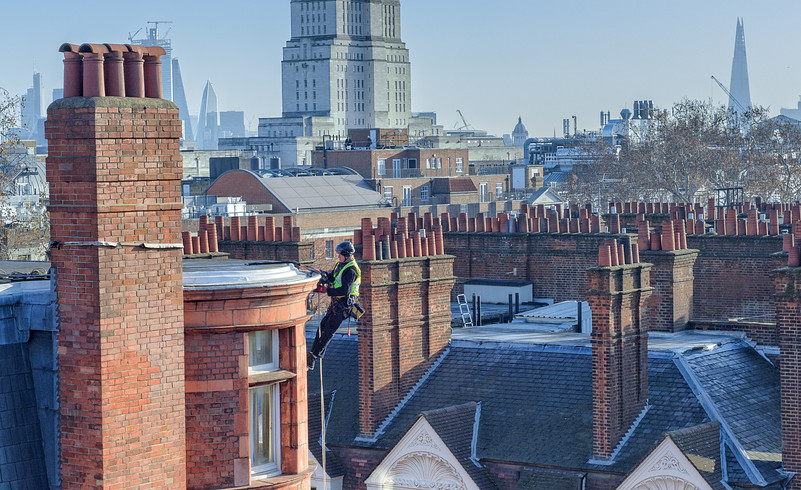
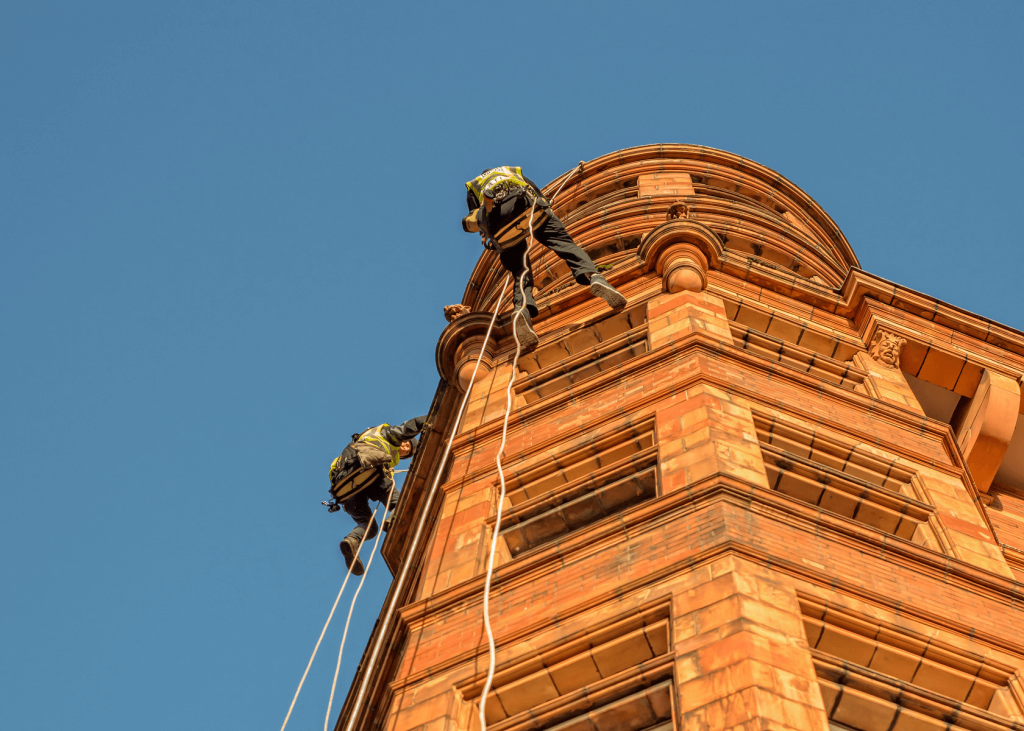
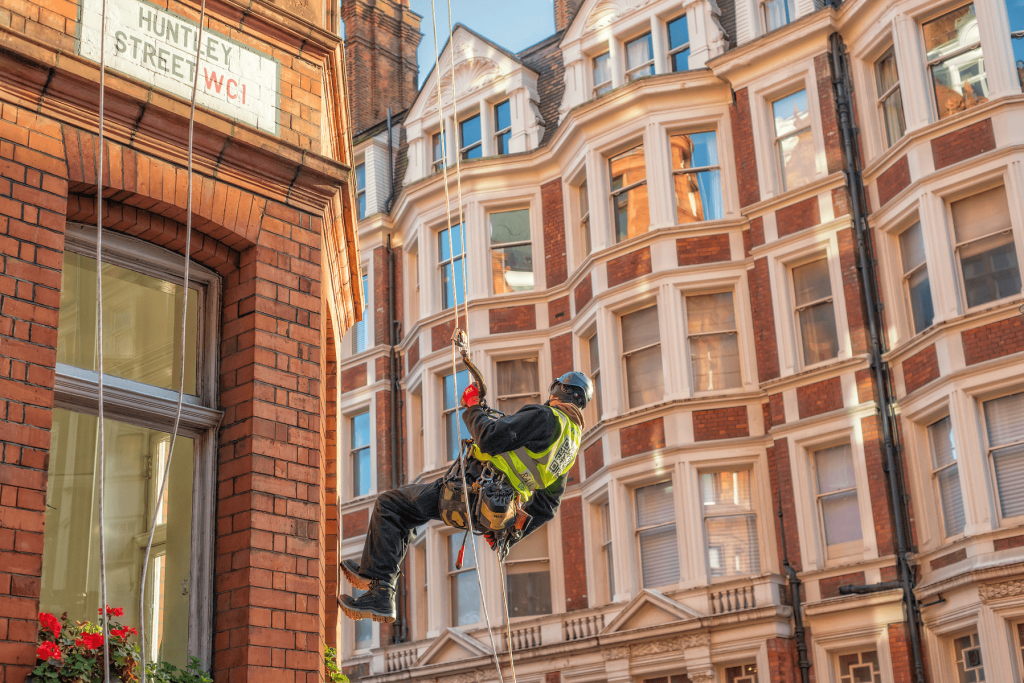
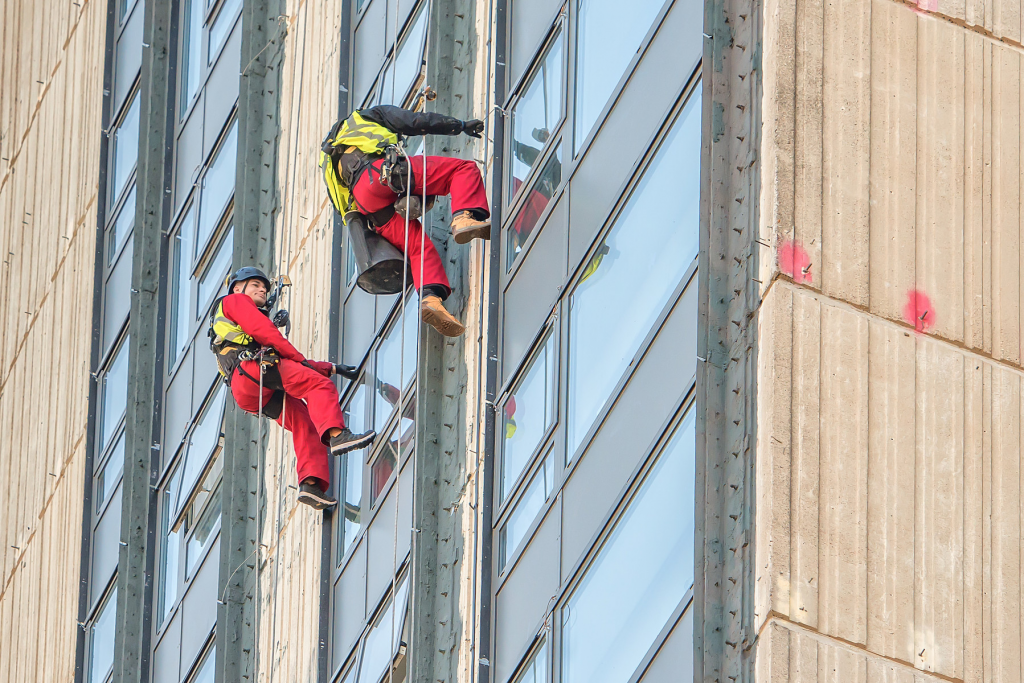
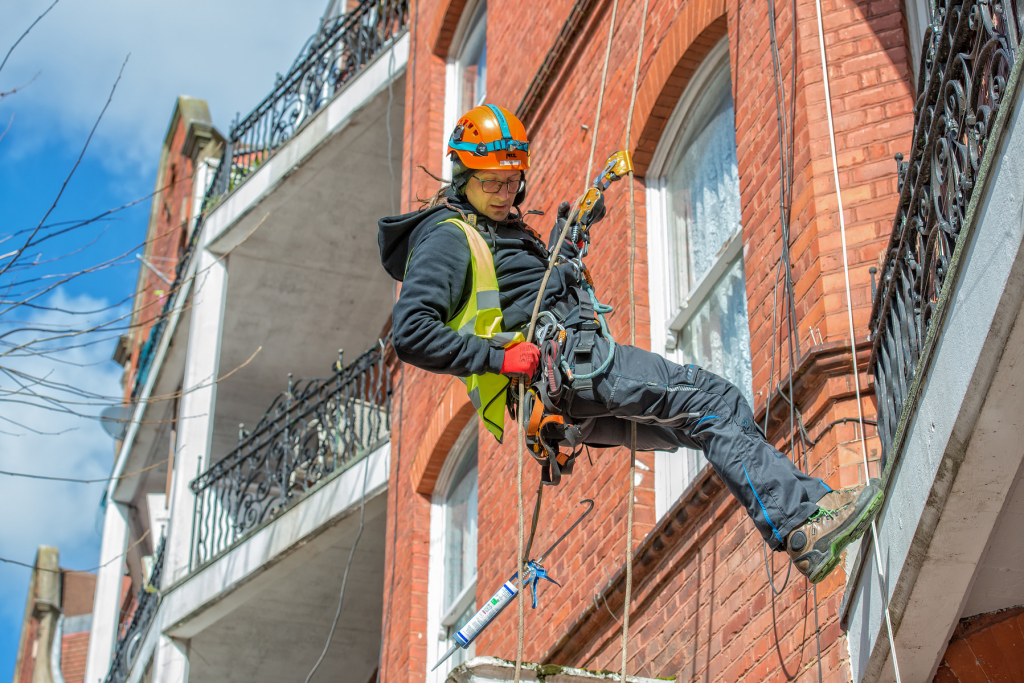
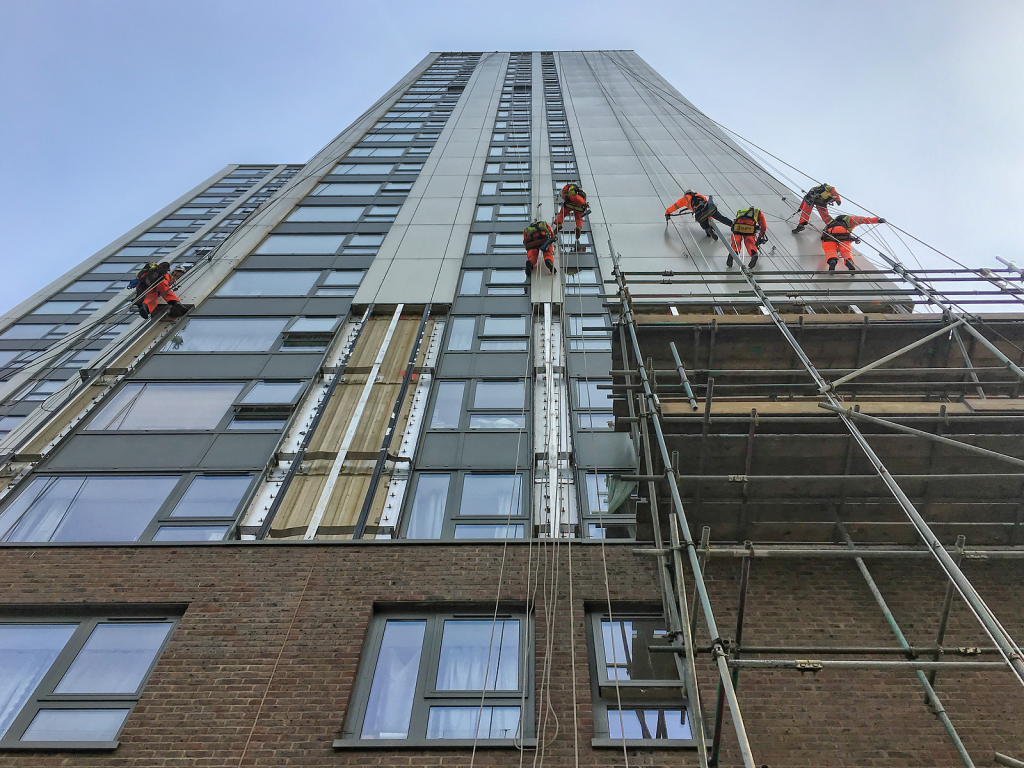
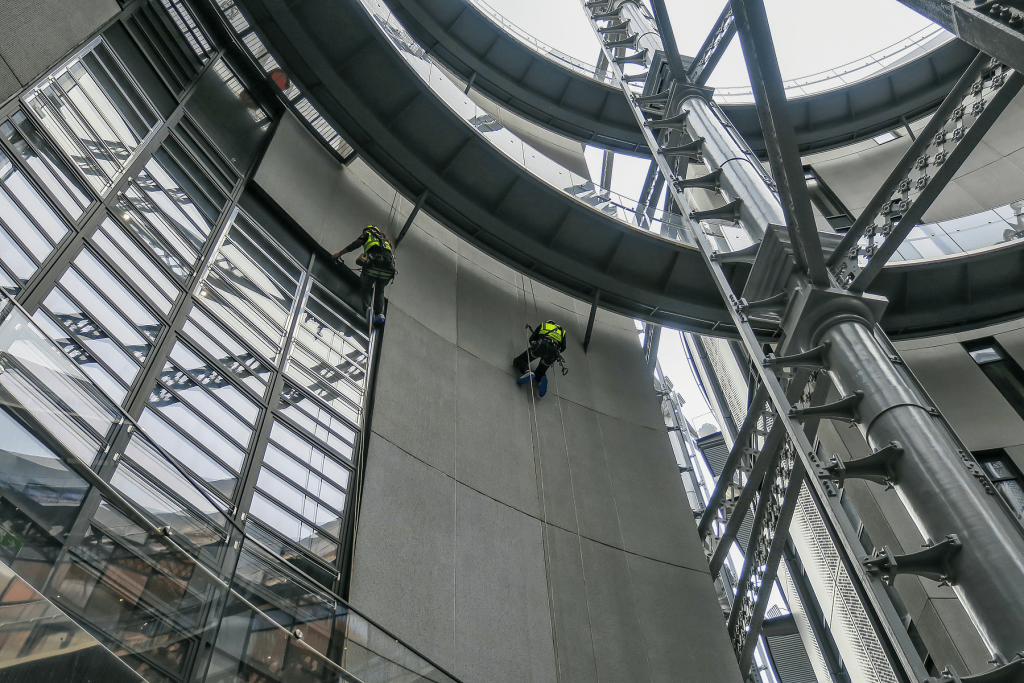
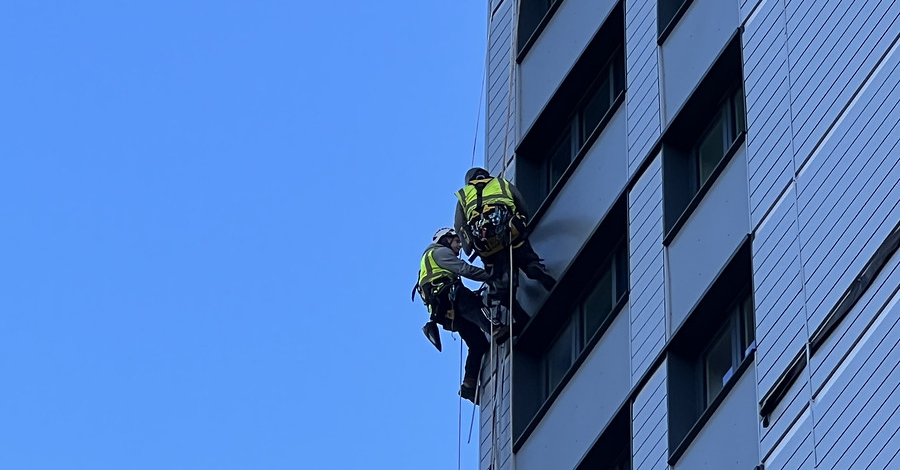
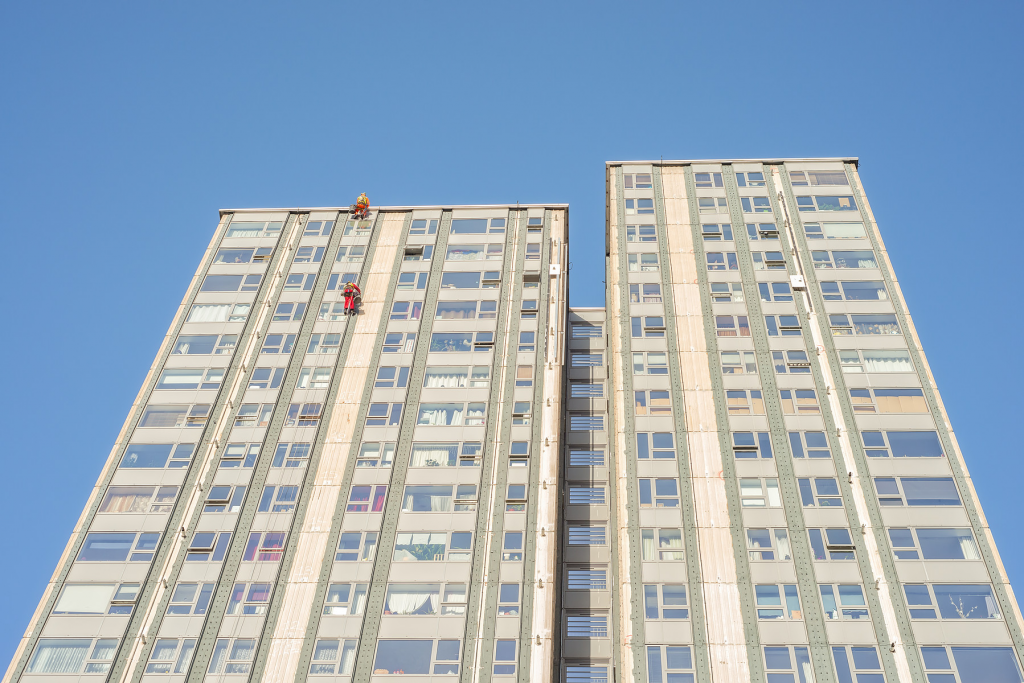
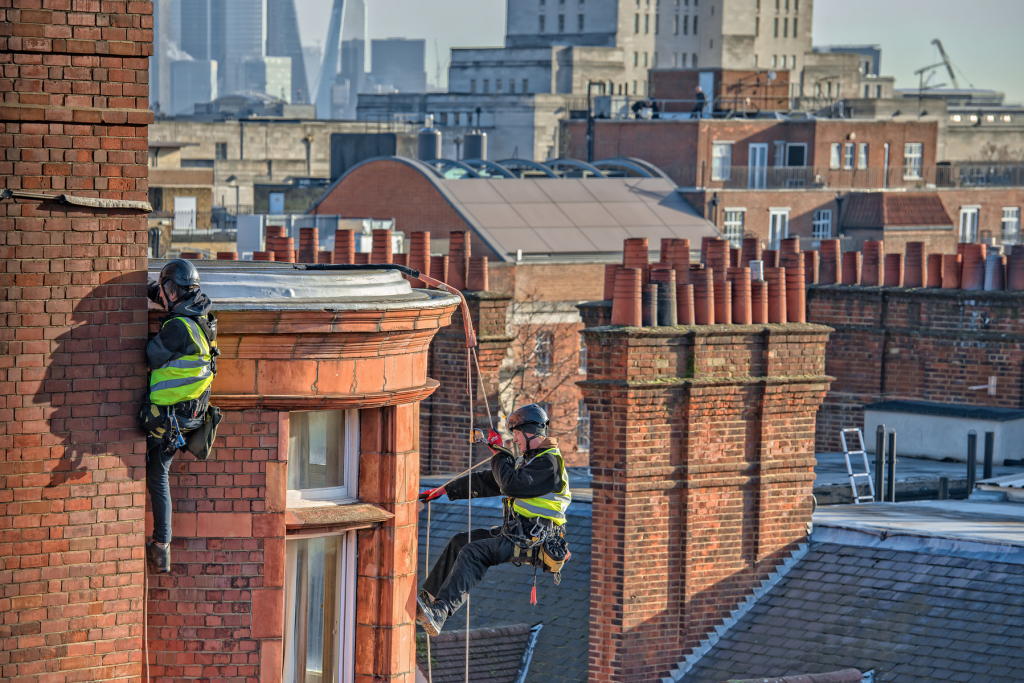
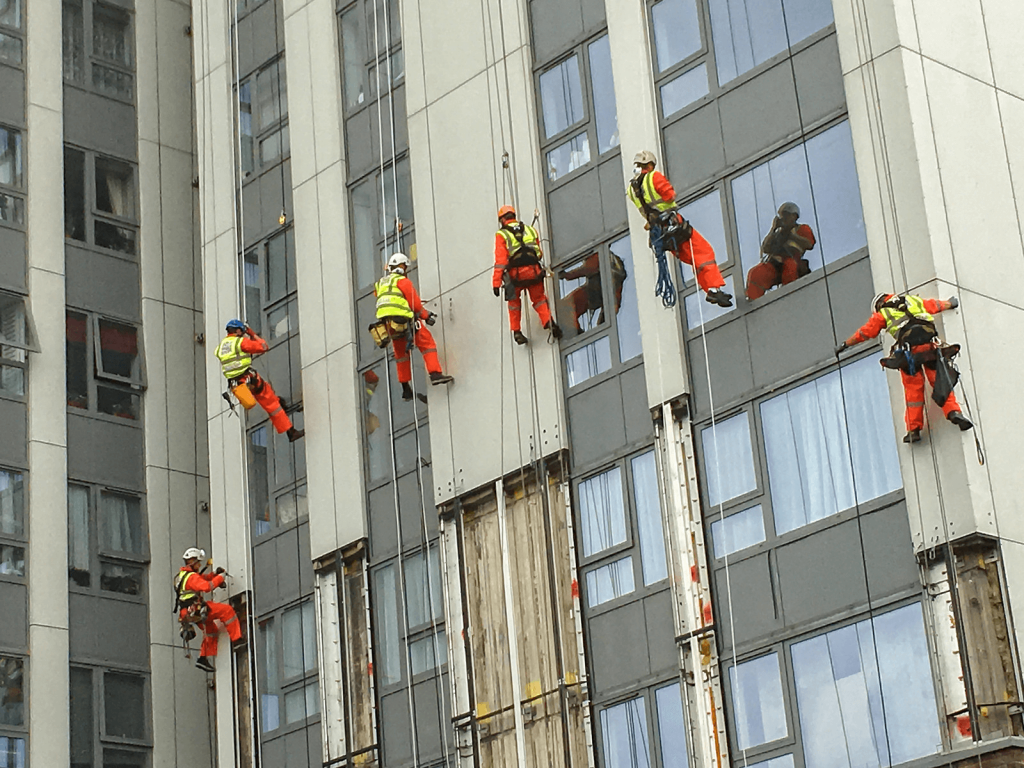
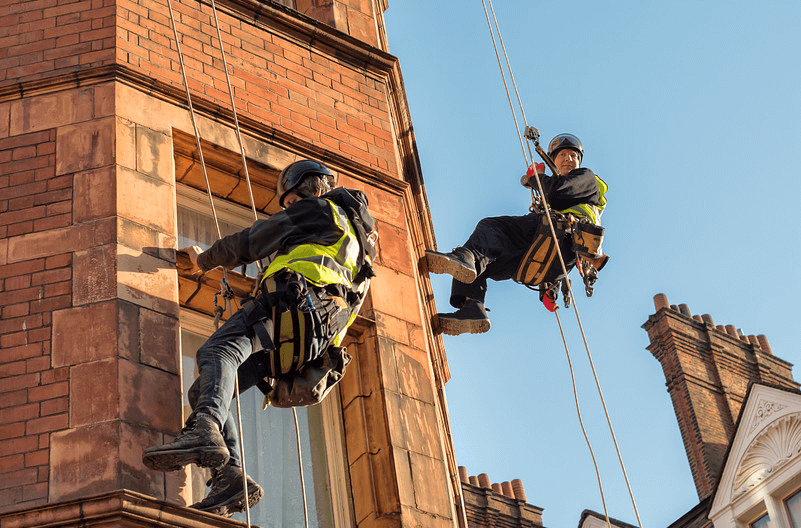
The simple answer is proximity and flexibility. Our IRATA-certified technicians can position themselves at touching distance from any external building surface, manoeuvre to capture images from optimal angles, and document features that would be invisible or ambiguous from ground level or from more restrictive access methods.
Close-Quarters Photography Reveals Details That Distance Hides
Photographing a building elevation from 50 metres away with a telephoto lens will show you if there’s a large crack or obvious damage. It won’t show you hairline cracks, surface deterioration, sealant degradation, or subtle signs of water ingress.
These details require close-quarters inspection and photography — which is exactly what rope access provides.
Our close-quarters photography captures these details in a way that substantiates their existence beyond doubt.
Multi-Angle Documentation Provides Context and Clarity
One limitation of scaffold-based inspections is that inspectors are typically confined to working platforms at specific levels. They can photograph what’s immediately in front of them, but capturing context — how a defect relates to the broader building elevation, or how it connects to other building features — can be challenging.
Rope access offers flexibility. Our technicians can photograph a defect from directly in front, from above, from below, and from the sides. We can capture wide shots showing a defect’s location in relation to floor levels, window lines, and architectural features, then zoom in for detail shots showing the specific nature of the failure.
This multi-angle documentation is invaluable for remediation planning (helping contractors understand exactly what they’re being asked to fix) and for evidential purposes (leaving no ambiguity about what was found or where it was located).
Commission a comprehensive rope access survey!The Future of Evidence-Based Building Management
Awaab’s Law has accelerated a trend that was already underway: the shift from reactive building maintenance to evidence-based preventative programmes.
At Rope Access in London, we’re partners in helping building owners and managers navigate this evidence-based future. Our rope access techniques provide the access required for comprehensive inspections.
If your current building inspection and documentation processes wouldn’t withstand determined scrutiny, it’s time to upgrade.
Check out the list of services we offer!Frequently Asked Questions
How long should building inspection documentation be retained?
There’s no single definitive answer, as retention requirements depend on the type of building, tenure, and relevant regulations. However, we generally advise retaining comprehensive building inspection documentation for at least 15 years, and preferably for the life of the building.
Can rope access documentation be used as evidence in legal proceedings?
Absolutely. Photographic and video evidence from rope access inspections is admissible in civil proceedings, regulatory investigations, and Housing Ombudsman cases, provided it meets standard evidential requirements.
What happens if rope access inspections identify defects requiring urgent attention?
If our technicians identify critical defects during routine inspections we have protocols for immediate notification of clients and, where appropriate, emergency temporary interventions. Our multi-skilled technicians can often perform temporary repairs using the rope access systems already in place, preventing defects from worsening while permanent remediation is organised.