

Awaab’s Law has fundamentally changed the game for landlords. The 14-day investigation window and 7-day remediation start deadline don’t leave room for the old way of doing things.
When a tenant reports damp or mould, the clock starts ticking immediately, and your response needs to be swift, thorough, and properly documented.
Here’s what we’ve learned at Rope Access in London (RAIL) from working with dozens of landlords navigating these new requirements: the most successful partnerships are strategic.
The landlords who sleep soundly at night aren’t the ones scrambling to find contractors when complaints arrive. They’re the ones who’ve established working relationships with rope access specialists before problems emerge, creating response frameworks that make Awaab’s Law compliance straightforward.
Let’s go over what an effective landlord-rope access partnership actually looks like in practice, and why this collaborative model is rapidly becoming the industry standard for building safety compliance.
What Makes Rope Access the Natural Partner for Time-Sensitive Landlord Obligations?
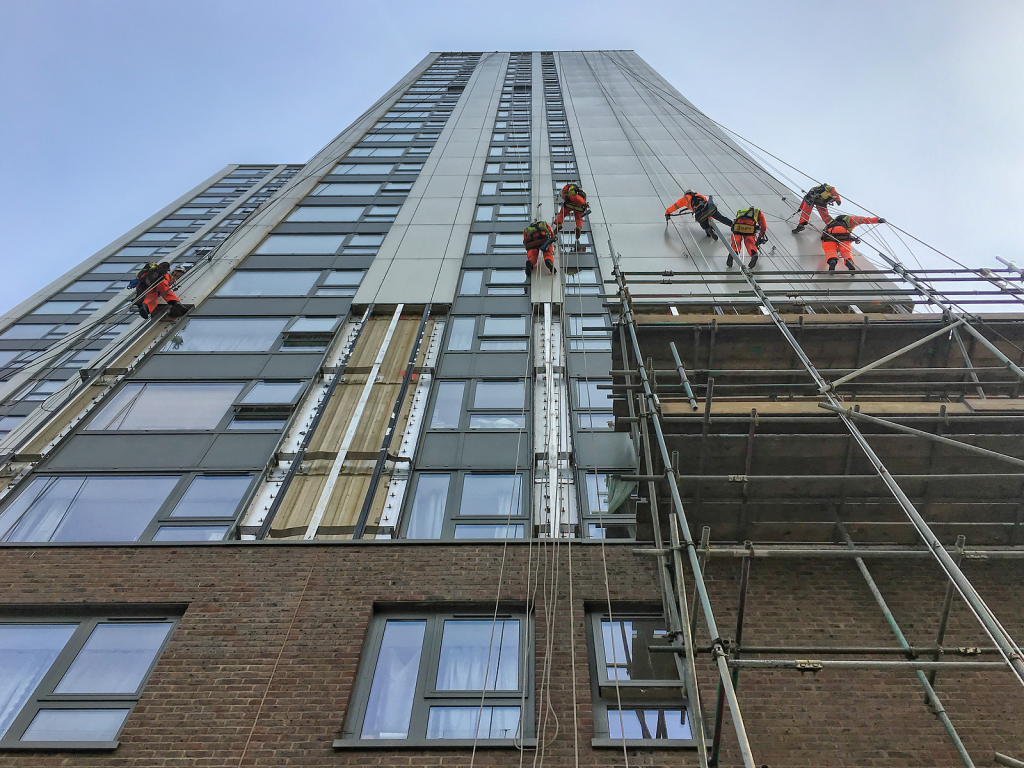
Traditional access methods simply weren’t designed for Awaab’s Law’s tight timescales. Scaffolding takes weeks to organise and erect. Cherry pickers require road closures and availability that you can’t guarantee at short notice.
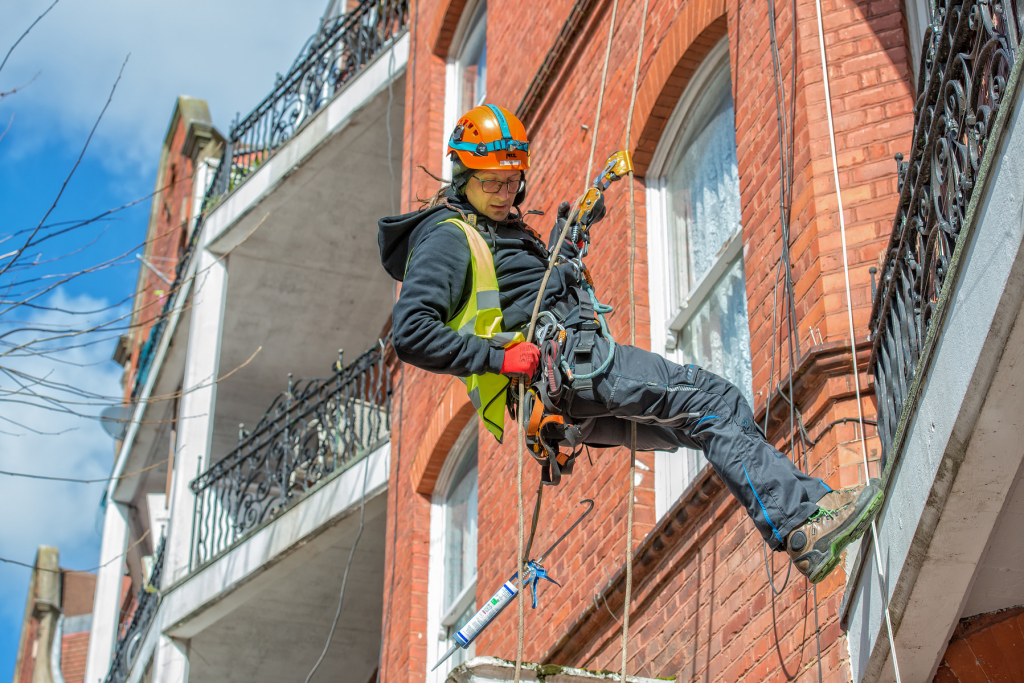
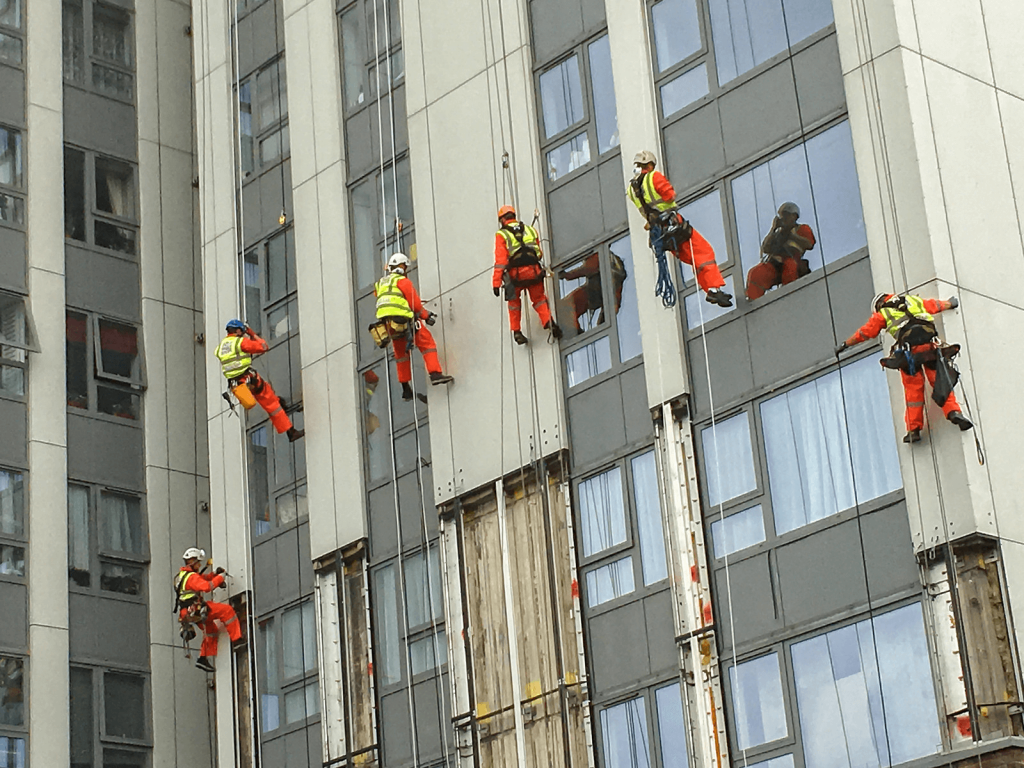
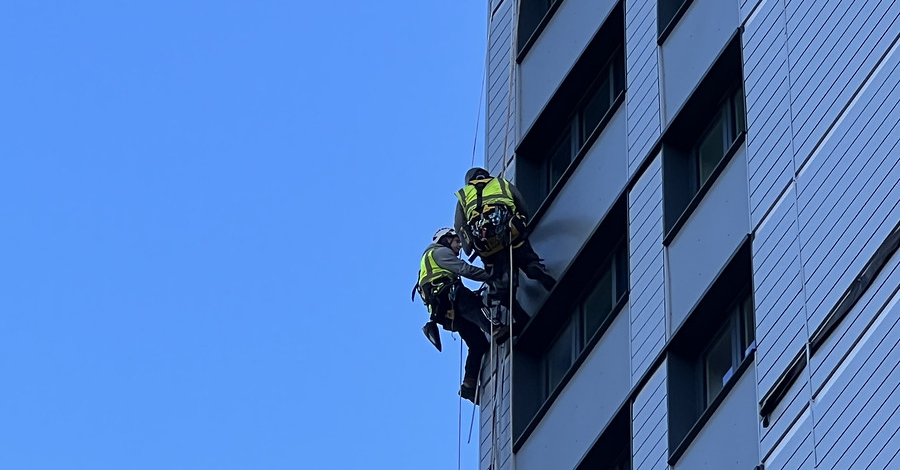
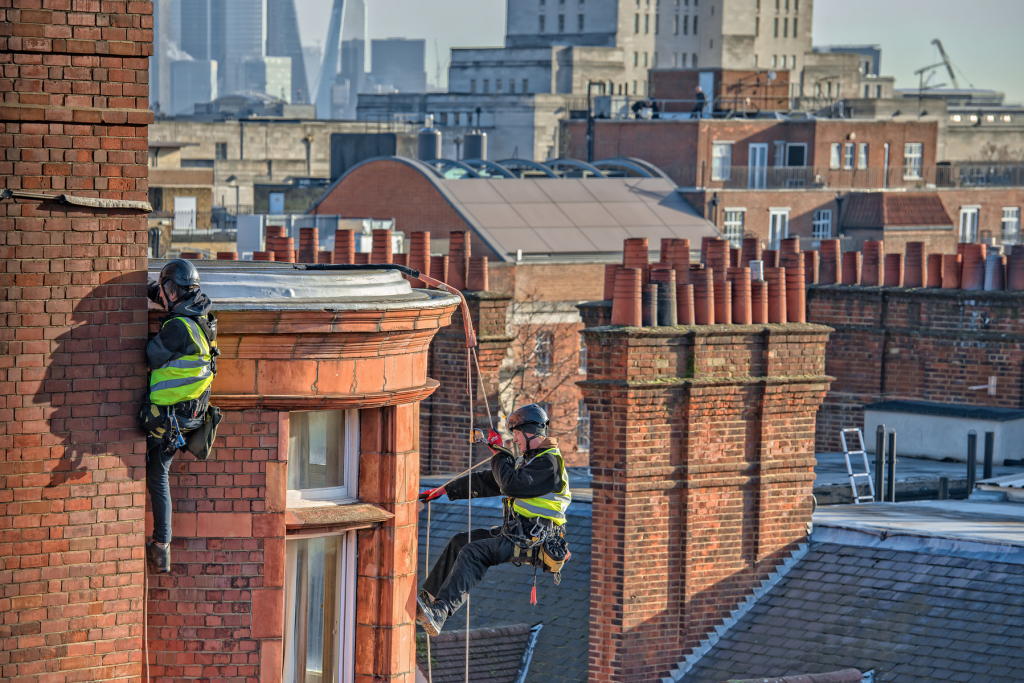
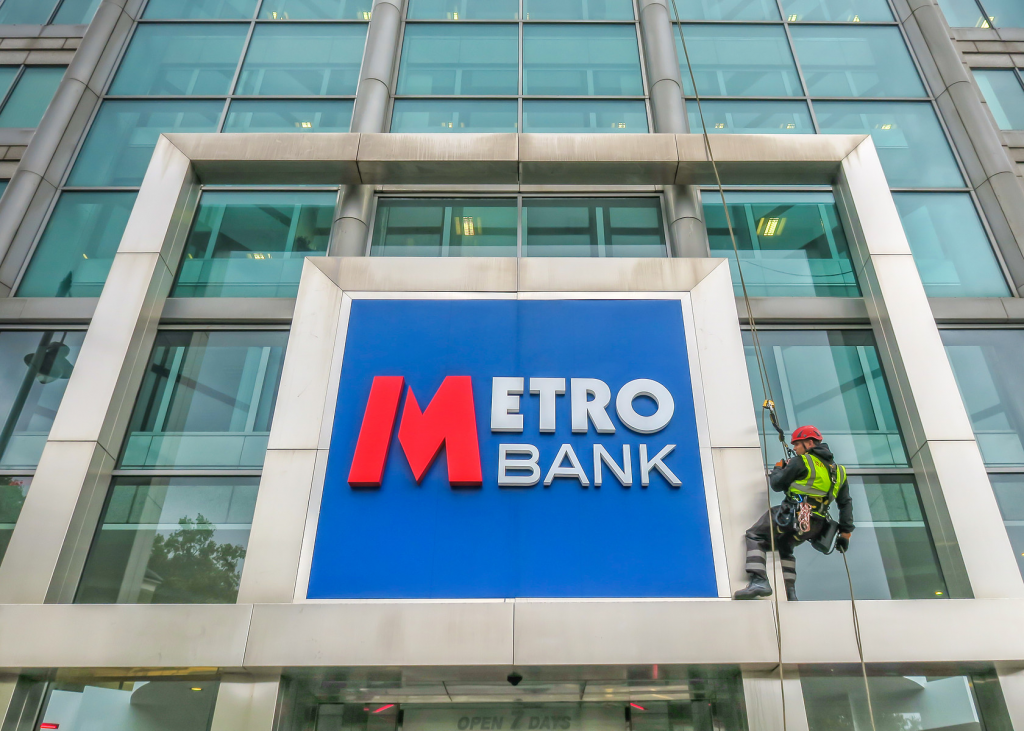
But rope access? We can typically have technicians on-site conducting inspections within 48 hours of your call.
The beauty of rope access is its scalability and flexibility. This responsiveness transforms how landlords can approach their Awaab’s Law obligations, shifting from reactive panic to confident, methodical compliance.
We conduct the external building survey within days, identify the root cause (usually failed waterproofing, deteriorated external painting, or cladding defects), and if needed, our multi-skilled technicians perform the repairs using the same rope access setup. One call, one contractor, complete compliance.
Contact RAIL today to discuss framework agreements!How Should Landlords Structure Their Partnership with Rope Access Specialists?
The most effective partnerships we’ve established follow a three-tier model: preventative surveys, responsive investigations, and remediation capability. Let’s break down what each tier delivers and why all three matter.
Tier One: Annual Preventative Building Surveys
Smart landlords don’t wait for complaints. They commission annual rope access inspections of their properties’ external fabric, identifying and addressing minor defects before they escalate into damp problems. It’s the old “stitch in time saves nine” principle.
Our preventative building maintenance surveys examine everything: render condition, cladding interfaces, window and door seals, roofline waterproofing, drainage systems, and any architectural features that could admit water. We provide comprehensive photographic documentation and a prioritised action plan.
Tier Two: Rapid-Response Investigation Capability
Even with preventative surveys, complaints happen. Buildings are dynamic systems, defects can develop between annual inspections, and tenants reasonably report concerns when they arise. This is where rapid-response investigation capability becomes essential.
The ideal partnership arrangement includes a framework where we can mobilise within 24-48 hours of a complaint. You call, explain the reported issue, and we schedule an external inspection focused on identifying potential building fabric causes.
Our technicians examine the relevant building elevation, document everything photographically, and provide you with a technical report identifying whether external defects are contributing to the problem.
Tier Three: Integrated Remediation Capability
Here’s where rope access partnerships deliver genuine efficiency gains: our technicians aren’t just inspectors, they’re qualified tradespeople.
We employ welders, electricians, painters, cleaners, and plumbers — all IRATA-certified for rope access work. This means investigation and remediation can happen in integrated programmes, often during the same site deployment.
What Documentation Should Landlords Expect from Their Rope Access Partner?
Awaab’s Law compliance isn’t just about doing the work — it’s about proving you did it. The documentation your rope access partner provides is your evidence base for demonstrating compliance, defending against claims, and satisfying regulatory scrutiny.
At minimum, you should receive detailed inspection reports describing what was examined, what was found, and what’s recommended. These reports must be supported by high-resolution, time-stamped photography showing the actual condition of building elements.
If defects are identified, photographs should clearly show their nature, location, and severity. If areas are found to be in good condition, that should be documented too.
Your compliance depends on documentation quality.Partner with RAIL for inspections that create bulletproof evidence packages!
The Business Case for Partnership Rather Than Ad-Hoc Engagement
Some landlords question whether partnership arrangements are necessary — why not just call rope access companies when specific needs arise? The answer lies in efficiency, cost-effectiveness, and risk management.
- Efficiency: Established partners understand your buildings. We’ve inspected them previously, we know their construction types, and we’re familiar with their typical defect patterns. This knowledge accelerates investigations and improves diagnostic accuracy. First-time contractors are starting from zero.
- Cost-Effectiveness: Partnership clients typically receive preferential rates compared to one-off engagements. The economics make sense for both parties — landlords get cost certainty, we get predictable workflow. Additionally, preventative maintenance identified during routine surveys is invariably cheaper to address than emergency remediation after defects have escalated.
- Risk Management: Perhaps most importantly, partnership arrangements with documented inspection histories create powerful defences against claims of neglect. You can demonstrate systematic, proactive building management rather than reactive responses to complaints.
Frequently Asked Questions
What happens if rope access investigations find multiple defects requiring specialist trades?
This is surprisingly common and demonstrates why multi-skilled rope access teams offer such value. Our technicians hold trade qualifications in addition to IRATA certification, meaning we can address diverse defect types during single deployments.
Are rope access costs comparable to traditional scaffolding or cherry picker access for building inspections?
Rope access is typically 40-60% less expensive than scaffold-based access for equivalent inspection scopes, primarily because there are no material supply, erection, dismantling, or hire period costs.
Compared to mobile elevated work platforms (MEWPs/cherry pickers), rope access is often cost-competitive for simple access but becomes significantly more economical for complex building geometries or extended-duration work where MEWP hire charges accumulate.
Can landlords use the same rope access company for both residential and commercial properties?
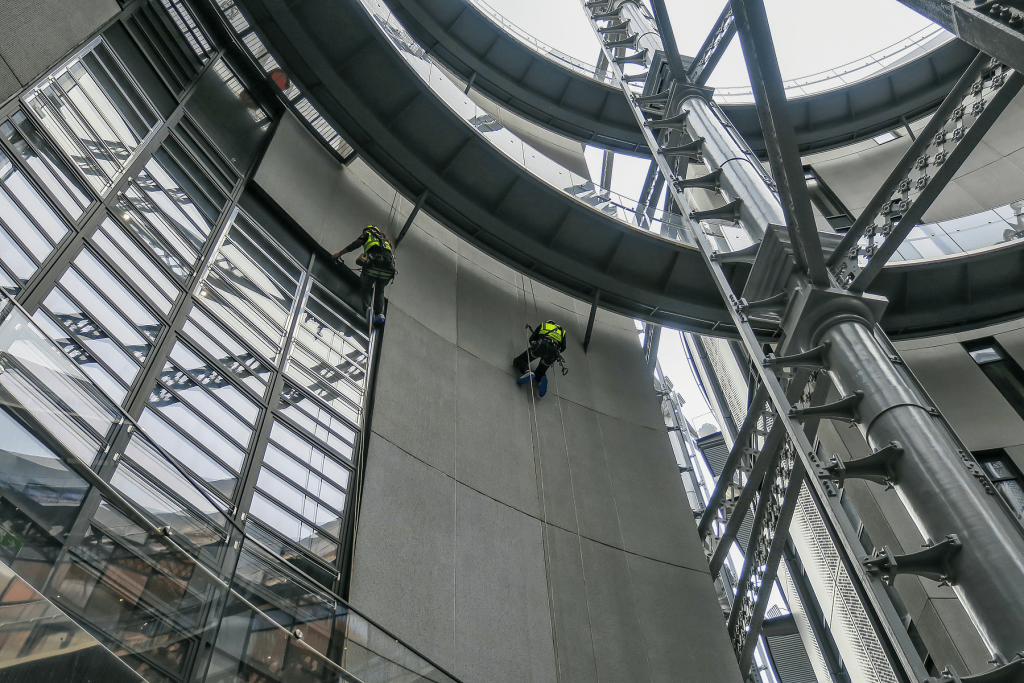
Absolutely, and there are efficiency advantages to consolidating building maintenance services with a single provider who understands your entire portfolio.
At RAIL, we work across residential buildings, commercial properties, and industrial facilities. The rope access techniques are transferable, and our multi-skilled technicians handle the different compliance frameworks and building types competently.