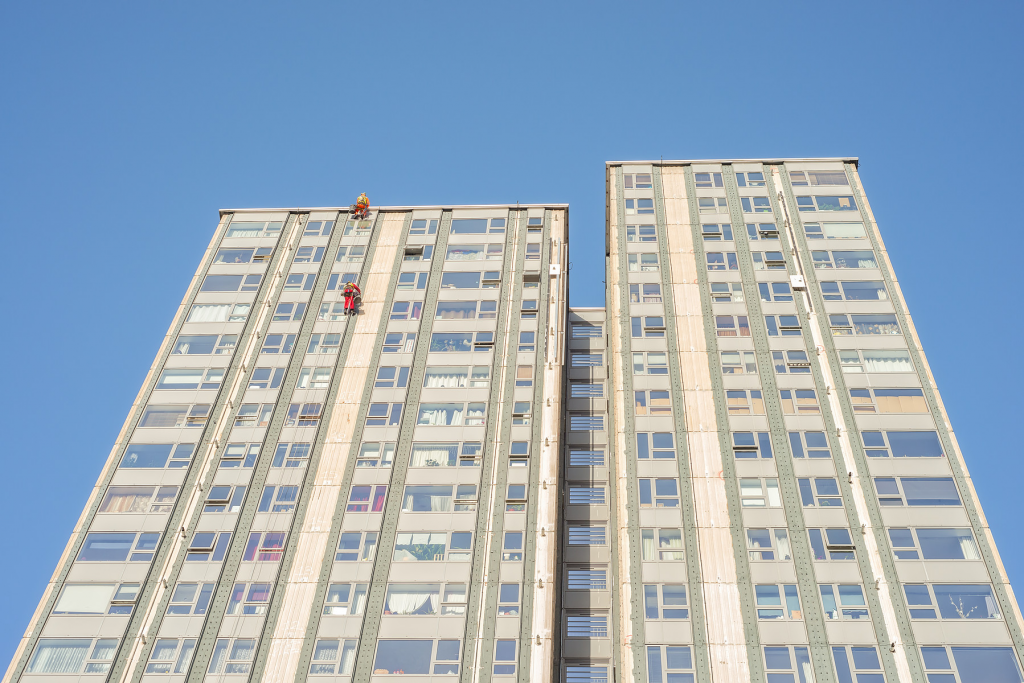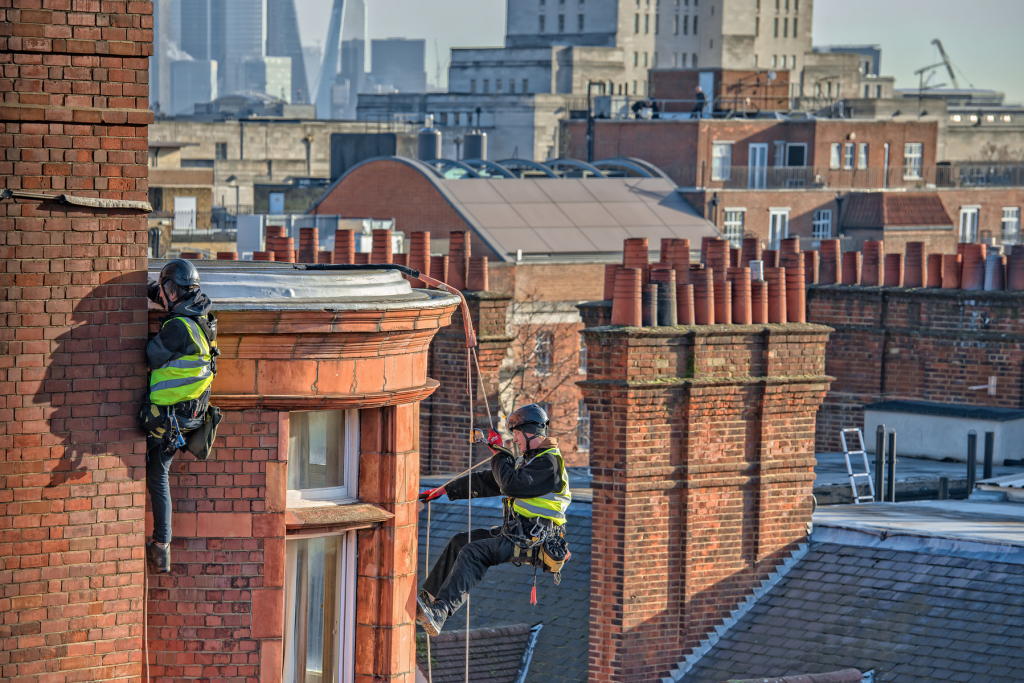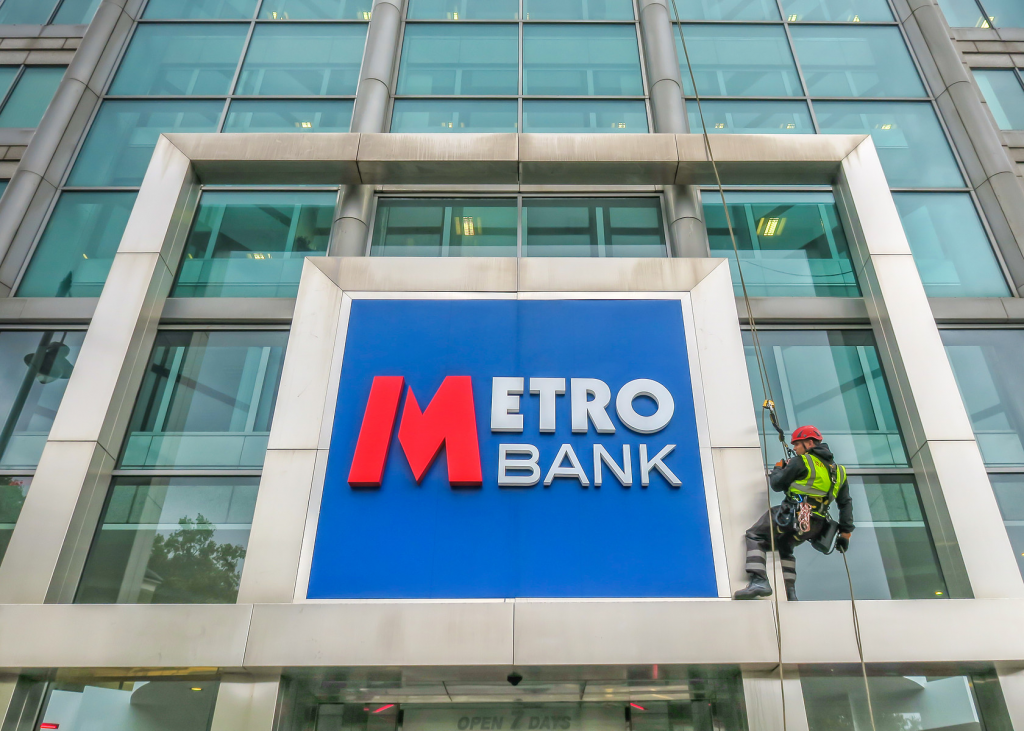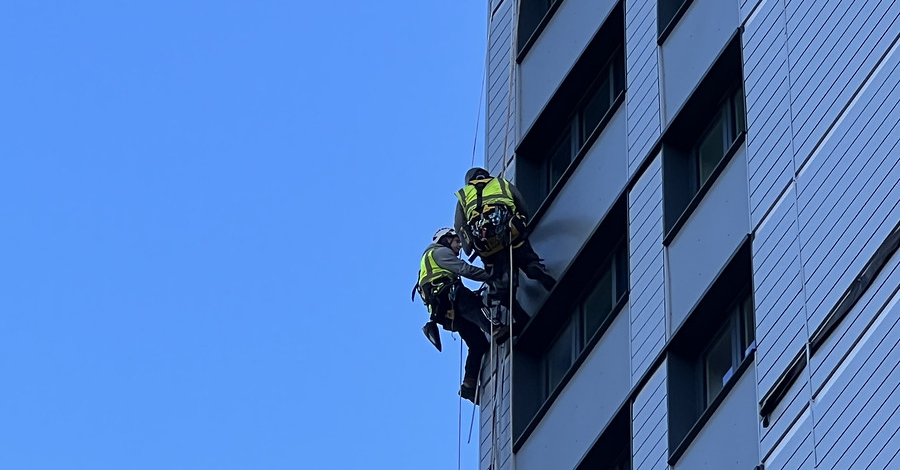

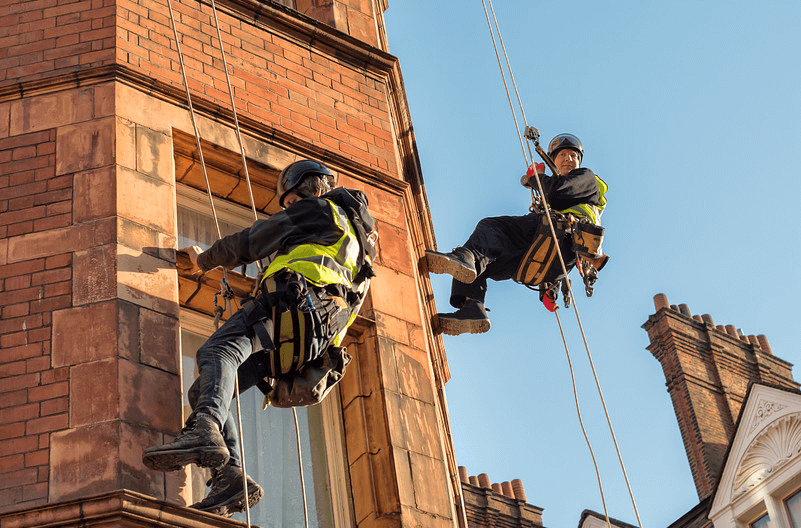
When it comes to working at height on buildings across London, property managers and building owners face a critical decision: rope access or traditional scaffolding? This choice can dramatically impact project timelines, budgets, and outcomes.
The construction and maintenance industry has relied on scaffolding for centuries, but innovative rope access techniques have revolutionised how we approach work at height.
Whether you’re planning cladding repairs or comprehensive building surveying, understanding the fundamental differences between these two methods isn’t just about choosing the cheaper option — it’s about selecting the approach that delivers superior results with fewer complications.
Why Does Scaffolding Cost So Much More Than You’d Expect?
The financial implications of choosing scaffolding extend far beyond the initial quote you receive. When we explain costs to clients, we always break down the hidden expenses that catch many property owners off guard.
Scaffolding requires extensive materials, labour for assembly and dismantling, transport logistics, and permits and insurance that can add thousands to your bill.
For a typical five-storey building in Central London, scaffolding costs can easily exceed £15,000-£25,000 before any actual maintenance work begins. That’s purely for the access platform.
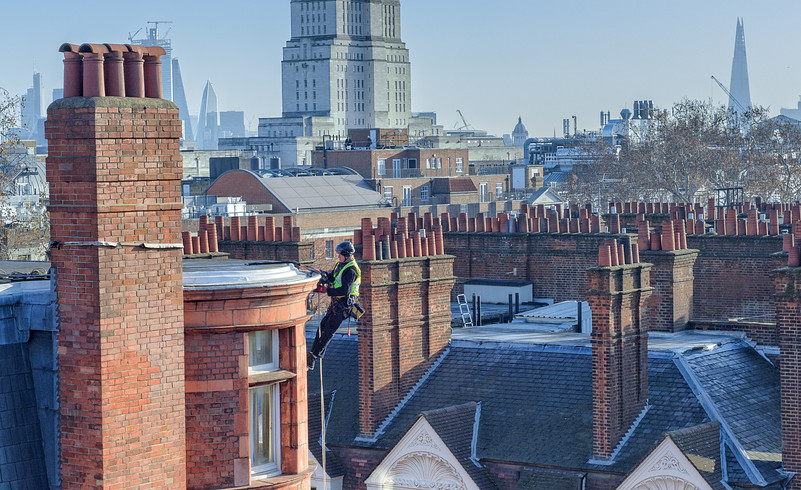
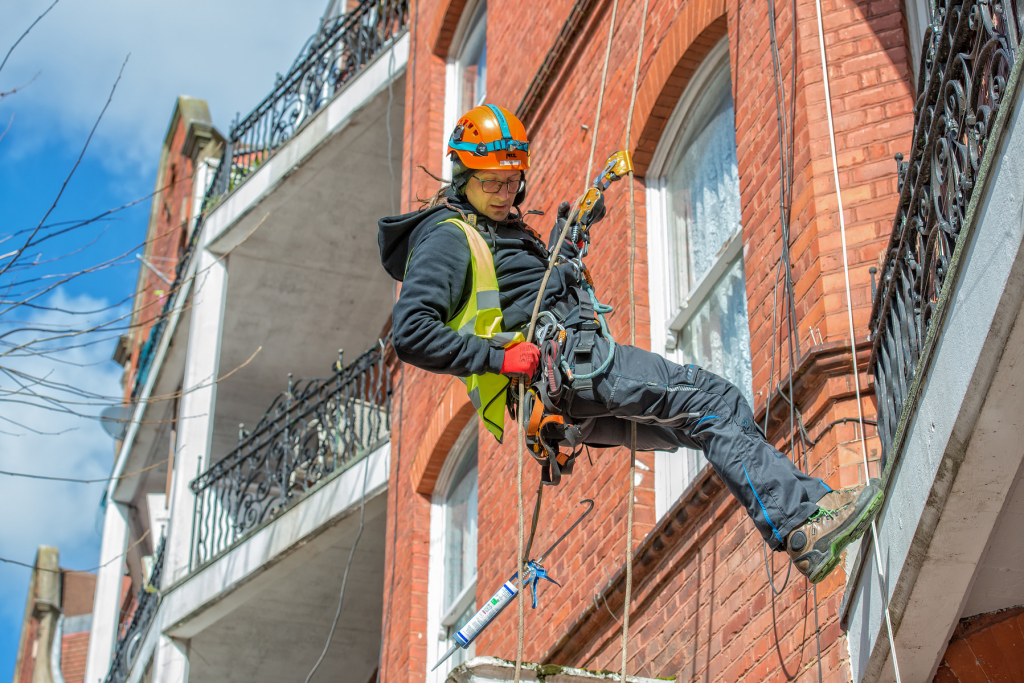
Compare this to rope access, where our technicians arrive with their equipment, establish secure anchor points, and begin work the same day. The equipment overhead is minimal — ropes, harnesses, and our technicians’ expertise.
But the financial advantage extends into less obvious territory. Scaffolding hire is time-based, meaning every day it remains erected costs money.
There’s also the commercial impact to consider. Scaffolding around a retail premises or restaurant can devastate foot traffic. We’ve worked with numerous high-street businesses on building maintenance and cleaning projects where maintaining their shopfront visibility was paramount.
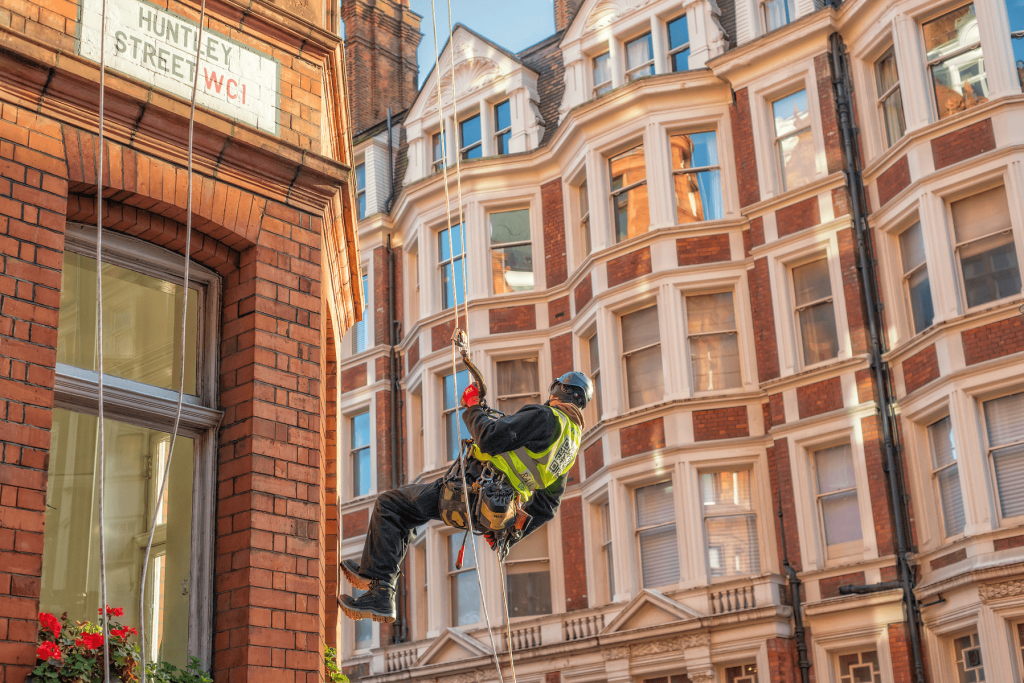
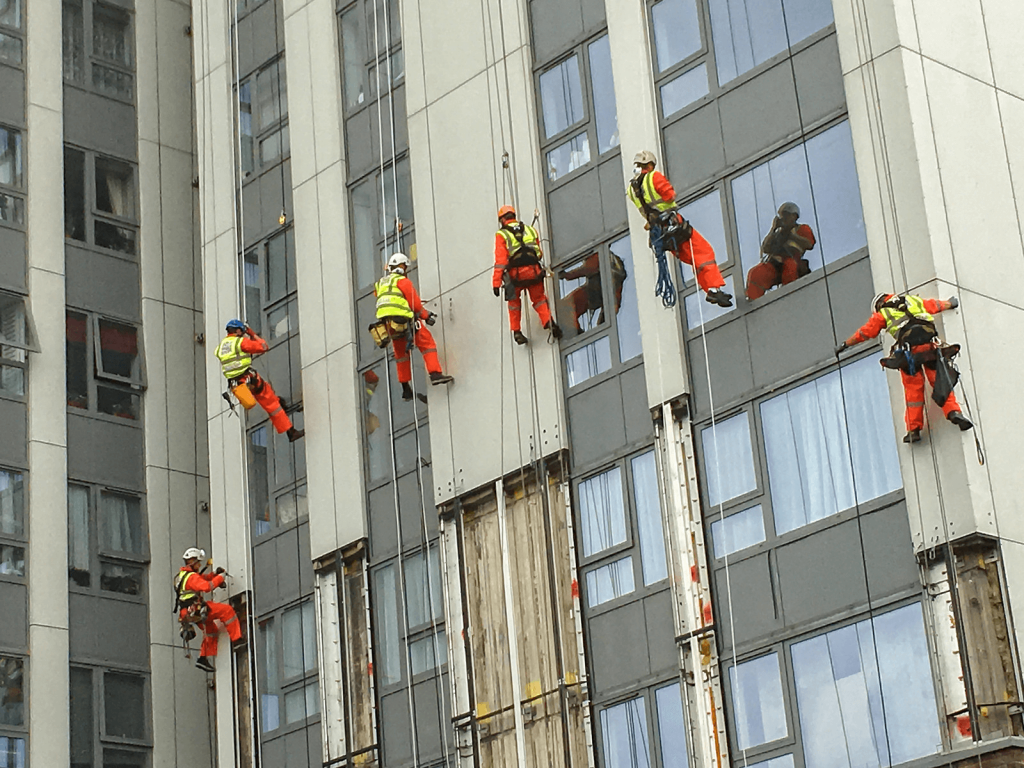
With rope access, we work from above, leaving entrances clear and window displays visible.
The Hidden Timeline Advantage
Beyond direct costs, time is money — especially in London’s fast-paced commercial property market. Scaffolding erection for a medium-sized building typically requires 3-5 days, then another 2-3 days for dismantling. That’s up to eight days of your project timeline consumed by access setup alone.
Our rope access teams begin work immediately. For emergency repairs this responsiveness is invaluable.
Explore our rope access services!Can Rope Access Really Match Scaffolding for Safety?
This question emerges in virtually every client conversation, and it’s absolutely the right thing to ask. Safety isn’t negotiable, and we wouldn’t advocate for rope access if it didn’t meet or exceed scaffolding safety standards.
The statistics speak clearly: rope access has an exceptional safety record. IRATA (Industrial Rope Access Trade Association) data consistently shows accident rates significantly lower than traditional scaffolding work.
Rope access technicians undergo rigorous training and certification, making them specialists in working at height. Every member of our team holds current IRATA certification, with many also qualified as specialist electricians, welders, painters, or plumbers, combining height access expertise with trade skills.
Scaffolding relies on proper assembly, regular inspections, and workers consistently using fall protection equipment — variables that introduce human error at multiple points.
Weather Resilience and Adaptability
London’s unpredictable weather affects all construction work, but rope access demonstrates superior adaptability. Strong winds that would halt scaffolding work entirely (typically above 25mph) can often still permit rope access operations, as our technicians work close to the building surface with multiple secure attachment points.
For cleaning contracts on commercial buildings, this weather resilience means fewer postponements and more predictable completion dates. Scaffolding would require extensive boards and framework reaching every spot, dramatically increasing costs.
What Building Features Make Rope Access the Obviously Superior Choice?
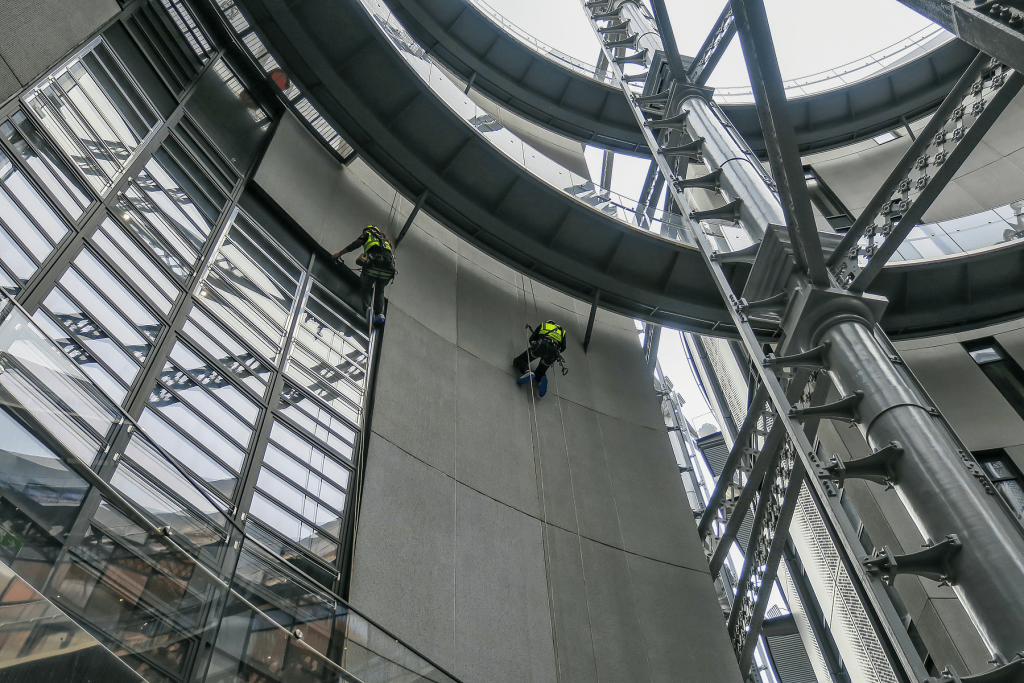
Certain architectural characteristics make rope access not just preferable but practically essential. Having worked across London’s diverse building stock, we’ve encountered scenarios where scaffolding ranges from impractical to impossible.
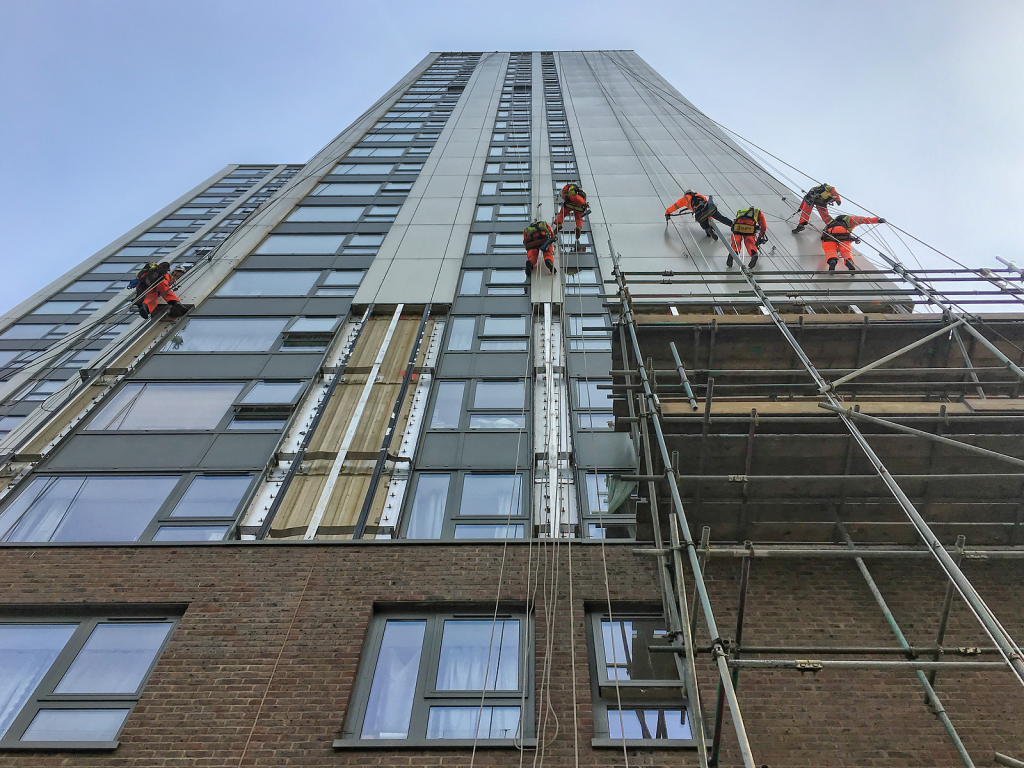
Awkward access points top this list. Buildings backing onto railways, canals, or busy roads often have no space for scaffolding. We regularly undertake glazing repairs and waterproofing on such properties, working entirely from the roof and building face.
Height variations present another challenge for scaffolding but are irrelevant for rope access. We’ve worked on buildings with dramatic height changes, where scaffolding would need to accommodate both heights. Our technicians simply adjust rope lengths and anchor points as needed.
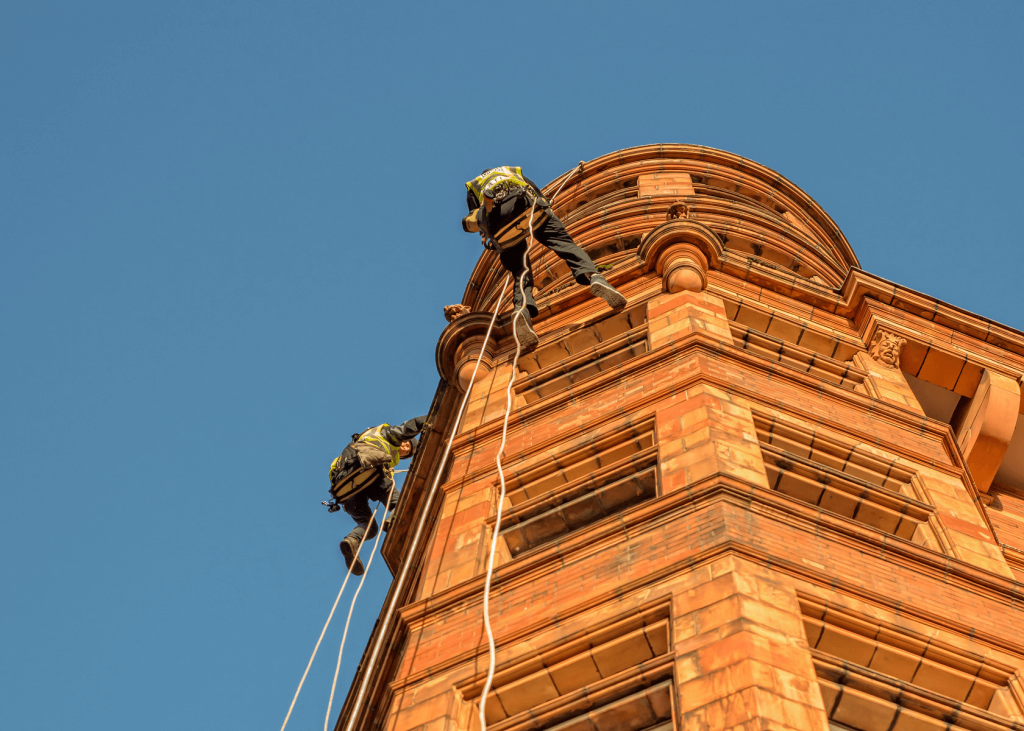
Listed and historic buildings demand special consideration. The Guild of Master Craftsmen often recommends rope access for heritage properties because it eliminates the risk of scaffolding damage to delicate masonry, terracotta, or ornamental stonework.
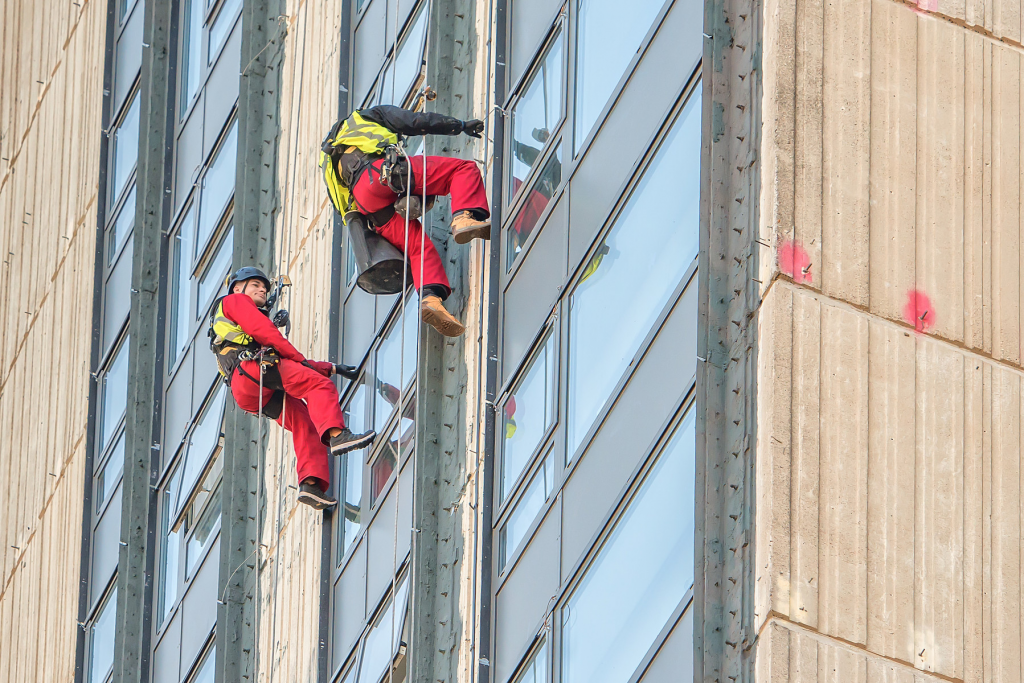
The speed of repositioning matters enormously for certain projects. During building surveying, our technicians can inspect the entire building envelope systematically, moving horizontally and vertically to document every defect, crack, or maintenance need. Scaffolding provides fixed platforms at set heights — accessing a feature 50cm above the platform level becomes genuinely awkward.
The Industrial and Specialist Dimension
While much of our work involves commercial and residential buildings, our capabilities extend to industrial rope access. We deploy the same techniques on oil and gas rigs and wind turbines, where scaffolding is often impossible or prohibitively expensive. These demanding environments have honed our technicians’ skills, bringing industrial-grade expertise to every building maintenance project.
Conclusion
Choosing between rope access and scaffolding isn’t simply about cost, though the financial advantages of rope access are compelling and often substantial. It’s about selecting a method that delivers faster mobilisation, greater flexibility, reduced disruption to building occupants and businesses, and access to building features that scaffolding struggles to reach effectively.
At Rope Access in London, we’ve built our reputation on delivering exceptional services that traditional methods cannot match for efficiency and value.
The construction industry evolves, and rope access represents that evolution — a smarter, safer, more economical approach to working at height.
Get a free consultation for your next project.Get in touch today!
Frequently Asked Questions
What happens if it rains during a rope access project?
Light rain rarely stops rope access work, unlike the common assumption. Our technicians assess conditions continuously, and many tasks can proceed safely in damp conditions. However, we never compromise safety, so heavy rain, thunderstorms, or conditions creating slippery surfaces will pause work.
Are there any buildings too tall for rope access?
Technically, no. Rope access has been successfully used on structures exceeding 800 metres globally, including the Burj Khalifa. The limiting factors are typically regulatory (airspace restrictions, planning permissions) rather than technical rope access capabilities.
How do you prevent damage to roofs when establishing anchor points?
This concern is entirely valid, and we take roof protection seriously. We use specialist equipment designed to distribute loads without penetrating or damaging roof membranes. For delicate roofs, we can establish anchors on structural elements or use existing building features rated for the loads. Before any project, we conduct a thorough site survey to identify optimal anchor locations that maintain both safety and building integrity.