

Scaffolding has dominated façade inspection for decades, but let’s be honest about its limitations: it’s expensive, slow to erect, disruptive to building occupants, and often provides access to predetermined locations rather than enabling truly comprehensive examinations.
When you’re trying to identify hairline cracks, subtle material degradation, or early-stage water ingress on a building façade, scaffold platforms every few metres simply don’t cut it.
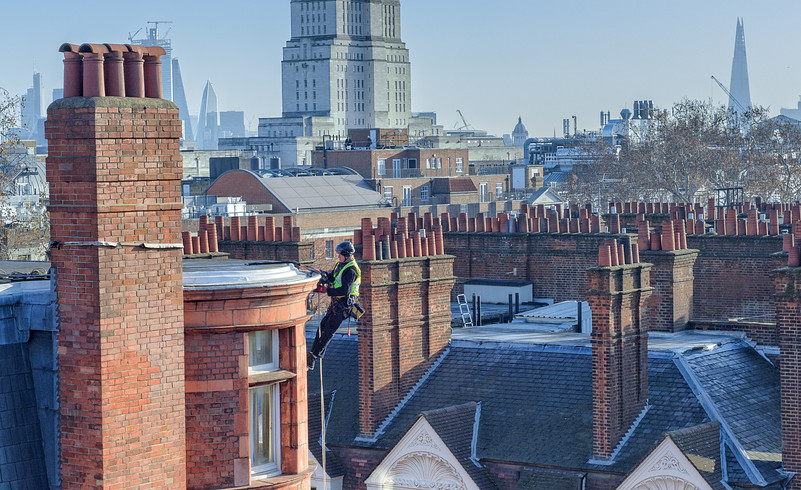
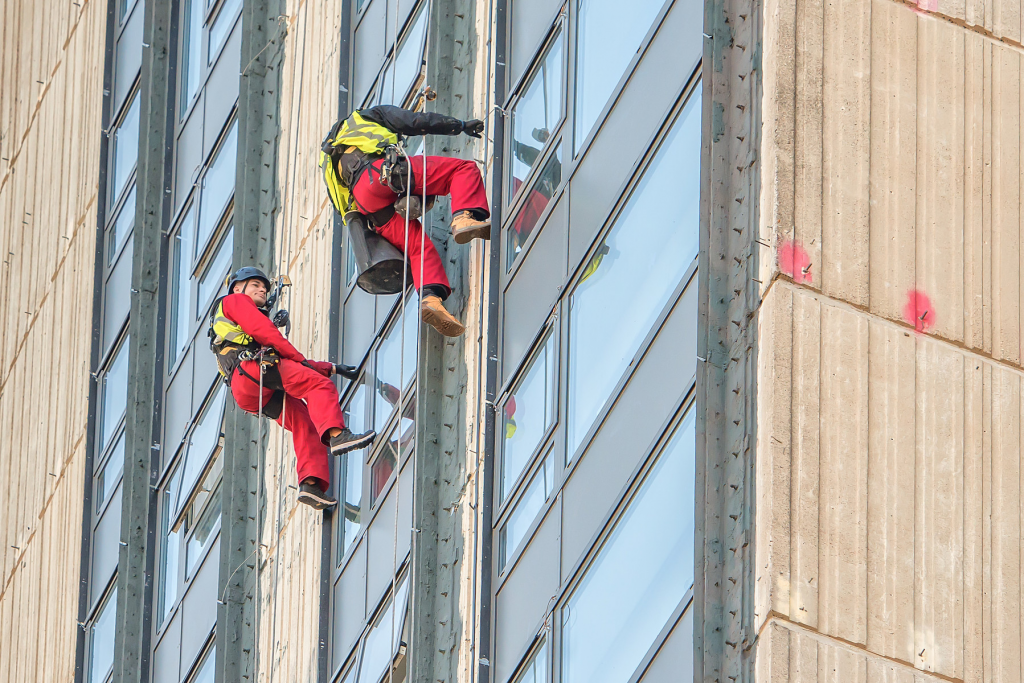
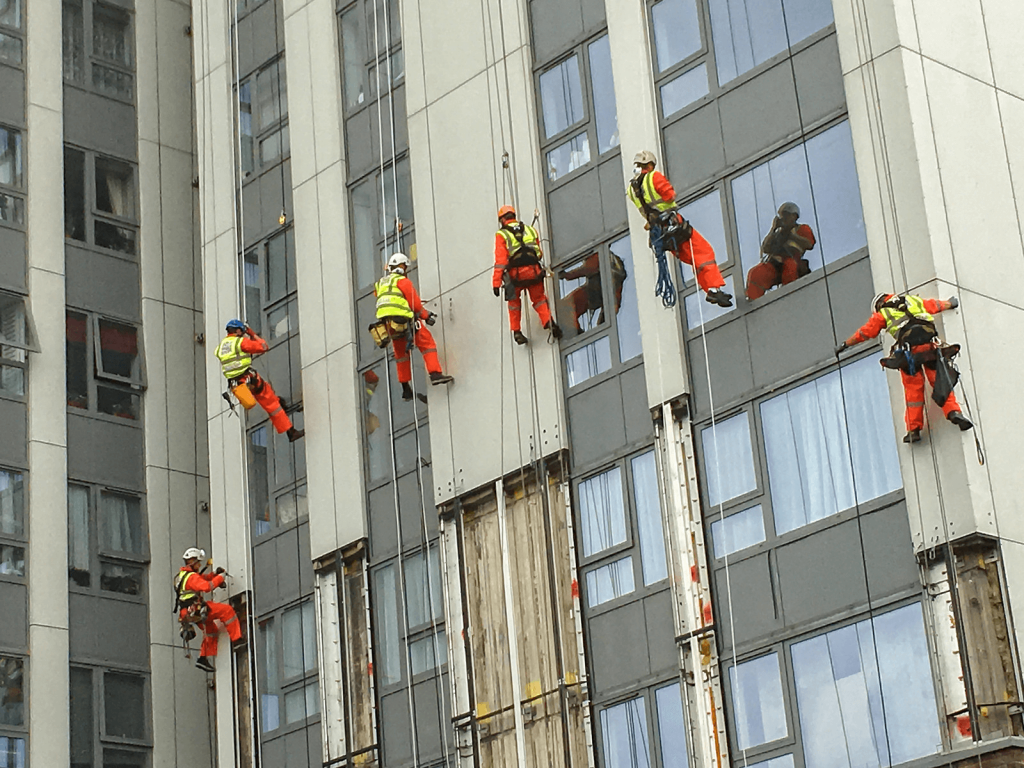
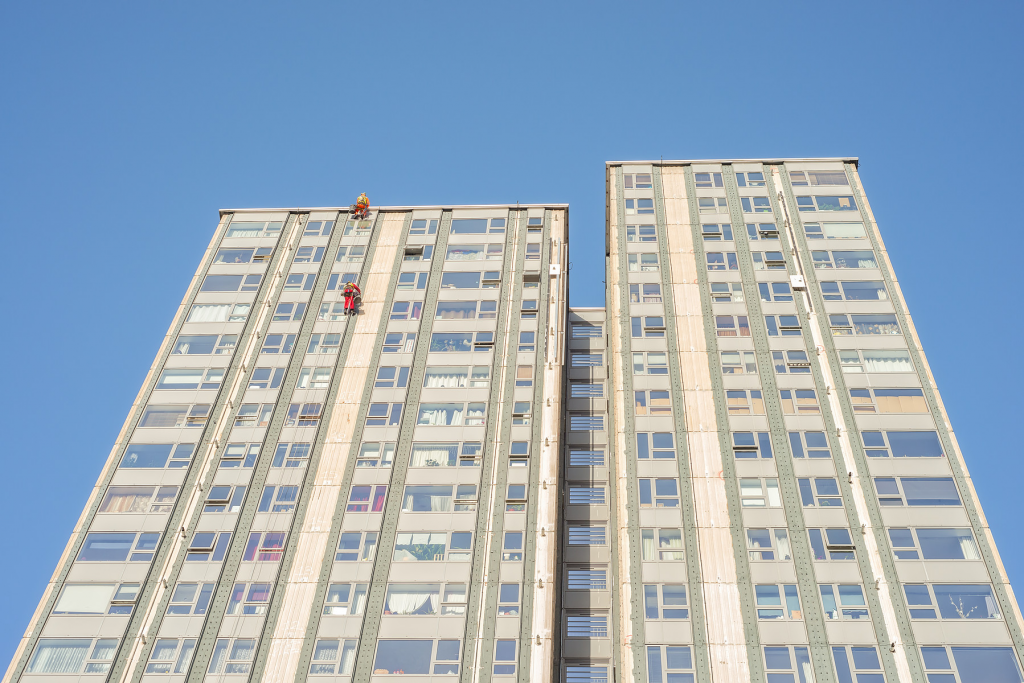
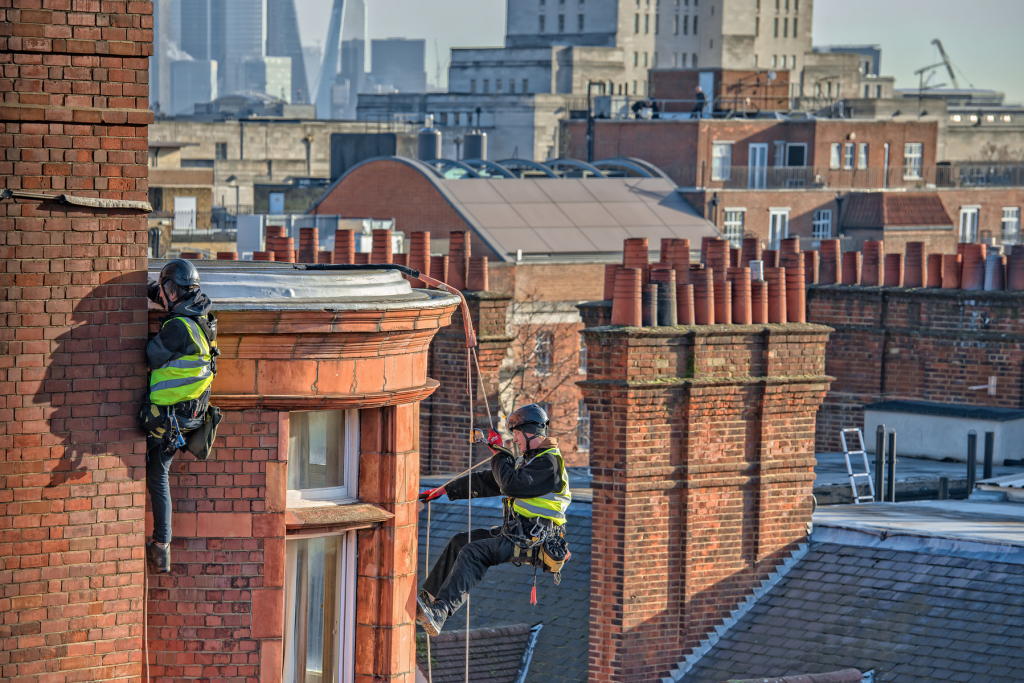
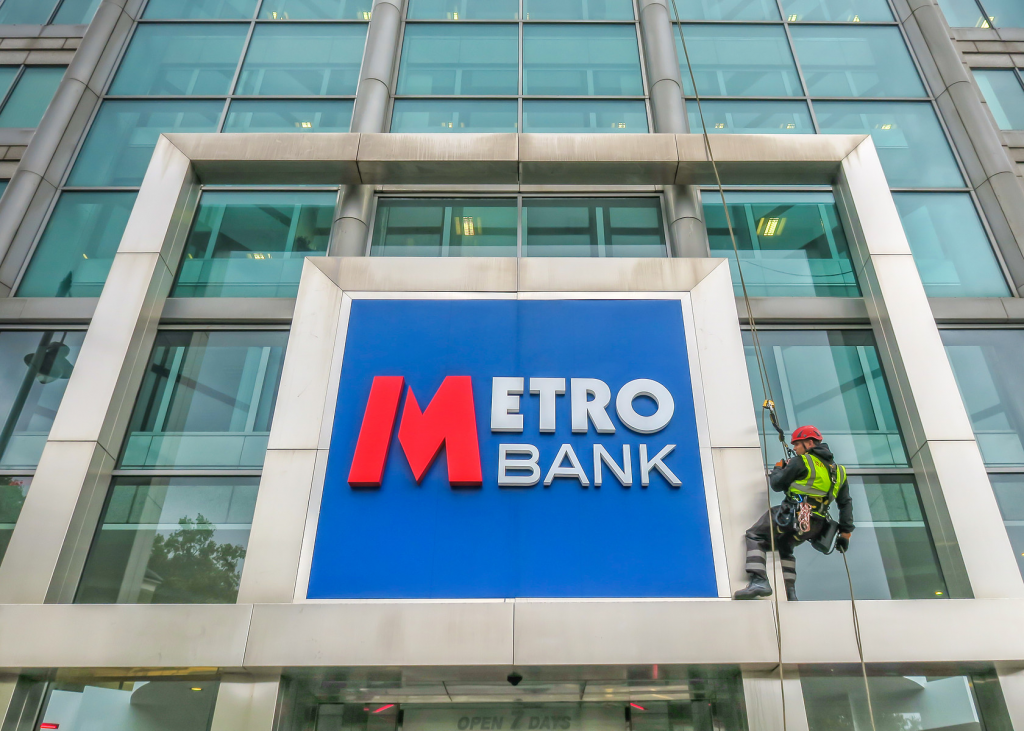
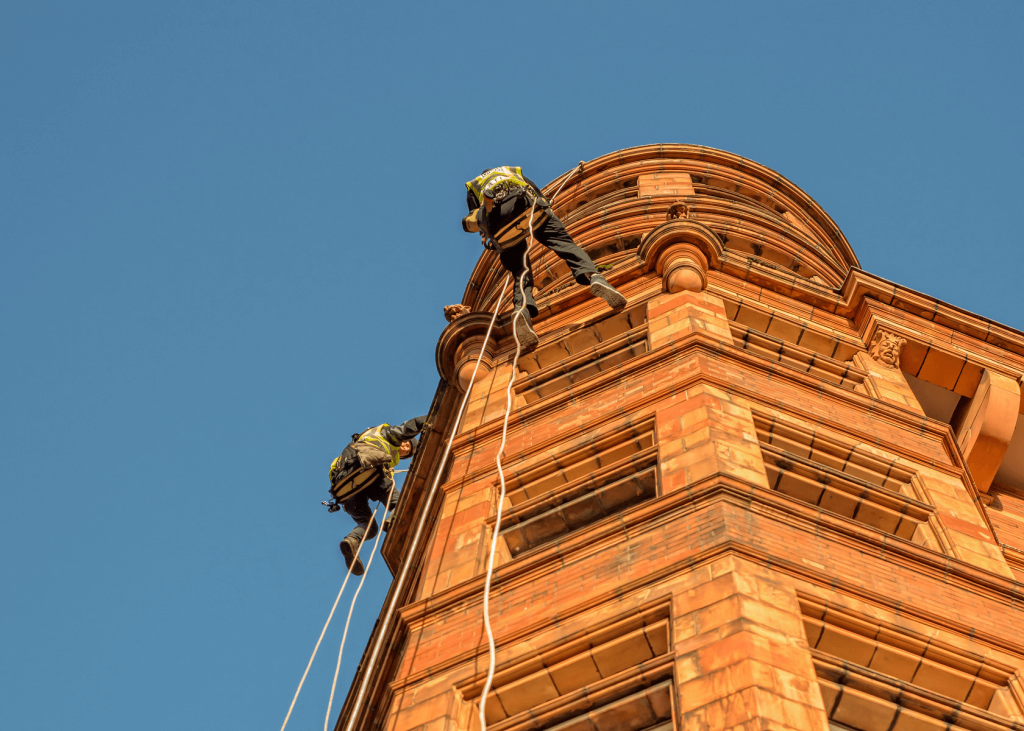
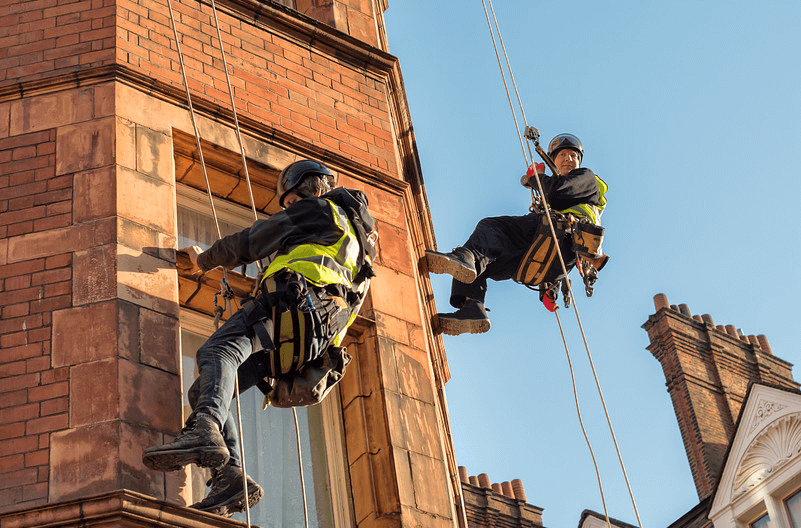
Scaffold-free access solutions, particularly rope access techniques, have revolutionised façade inspection over the past decade. At Rope Access in London (RAIL), we’ve conducted thousands of façade surveys using IRATA-certified rope access methods, and the difference in what we can detect compared to traditional approaches is genuinely remarkable.
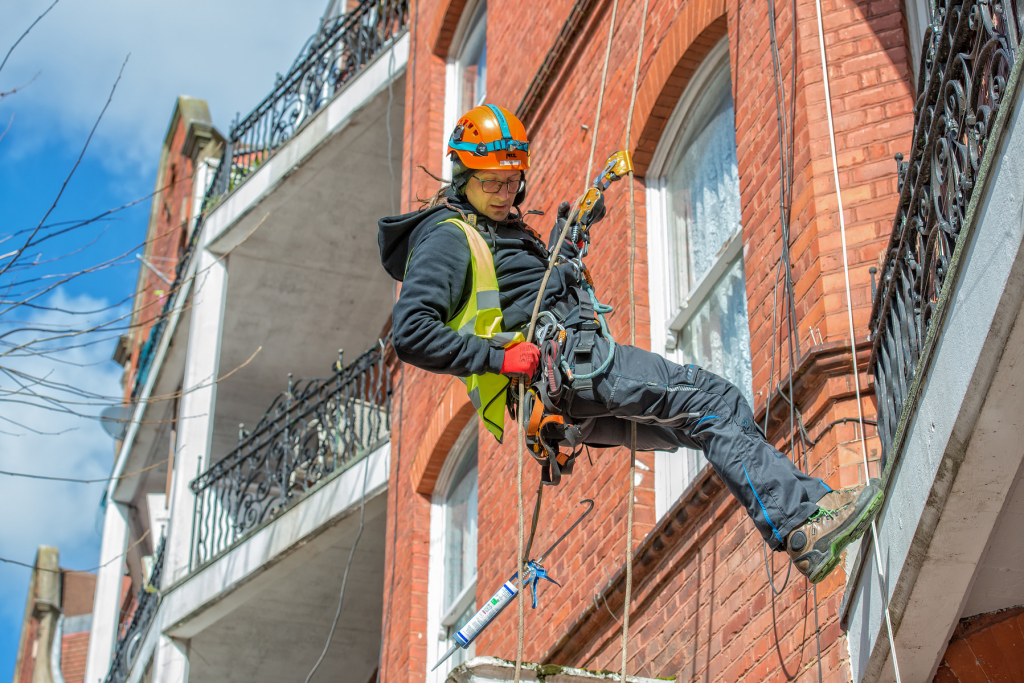
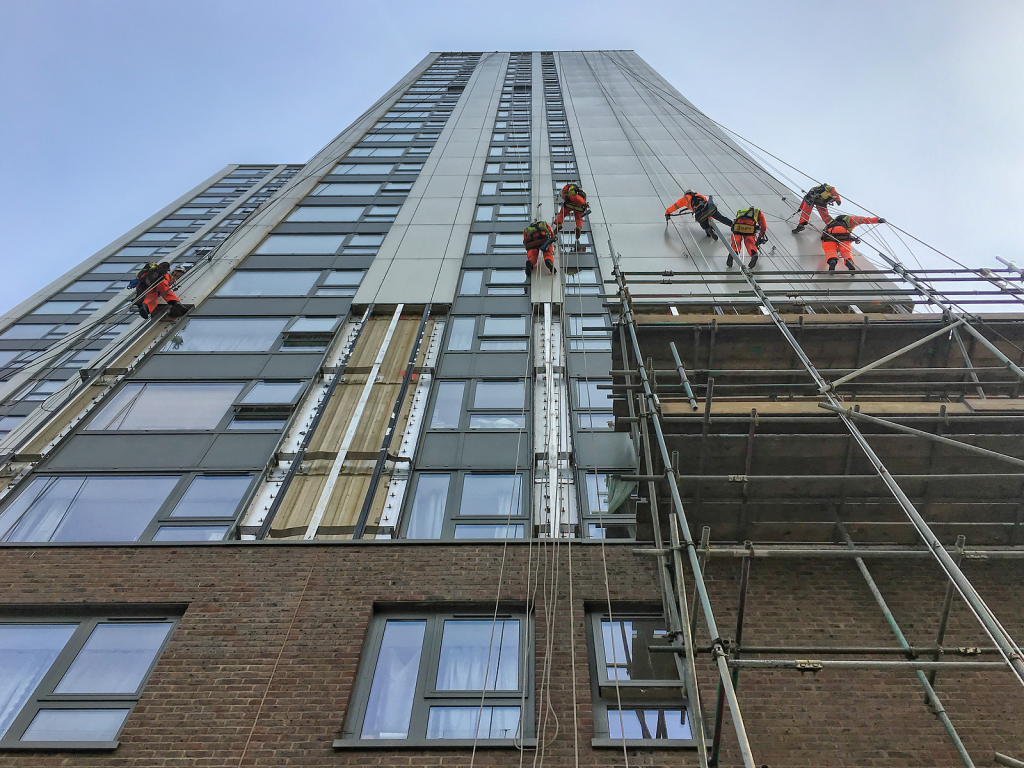
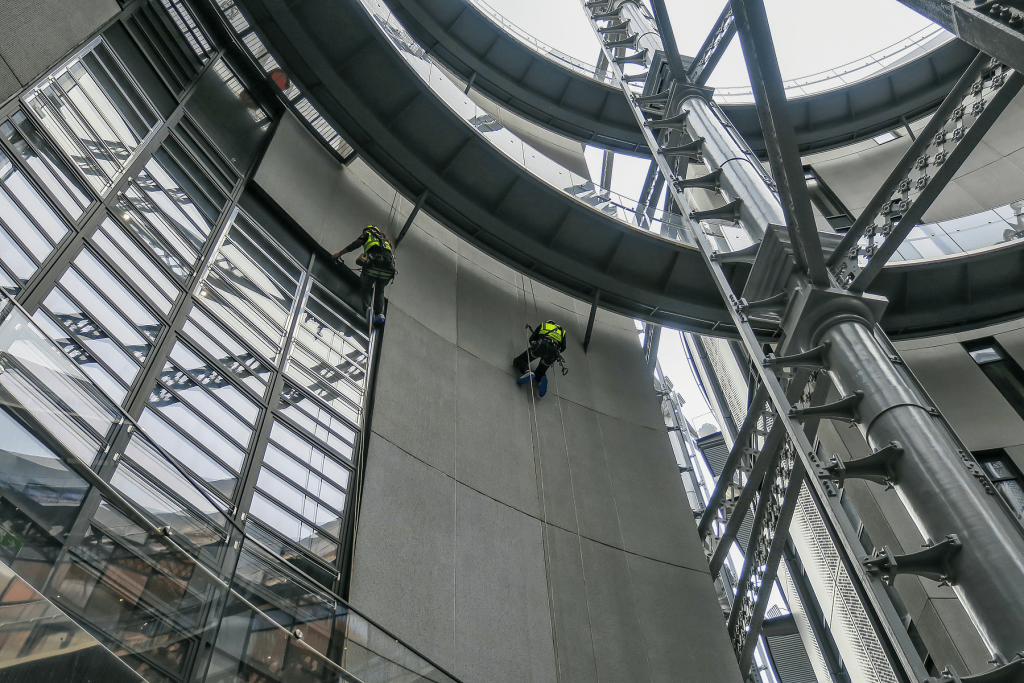
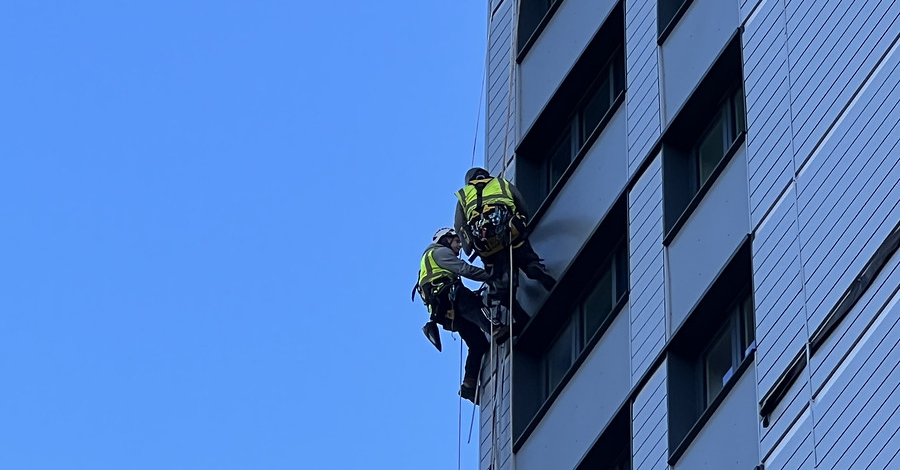
Our technicians can position themselves at a touching distance from any point on a building façade and spend time conducting detailed inspections without the constraints of fixed scaffold platforms.
Let’s discuss why scaffold-free inspection is becoming the industry standard for serious façade condition surveys, what types of defects are routinely missed by traditional methods, and how our rope access approach delivers superior results.
Why Are Traditional Scaffold-Based Inspections Inadequate for Comprehensive Façade Assessment?
Scaffold serves its purpose for certain types of construction and maintenance work, but as an inspection platform, it’s fundamentally compromised. The issue isn’t safety. The problem is accessibility and flexibility.
The Fixed Platform Problem
Scaffold platforms are positioned at predetermined intervals, typically every 2-3 metres vertically. Inspectors work from these platforms, examining what they can reach comfortably.
But façade defects don’t conveniently arrange themselves at scaffold platform heights. A critical crack might be positioned 1.5 metres above a platform, or it might be directly beneath the platform where it’s completely invisible to someone standing above it.
The Time and Cost Burden
Scaffold erection for façade inspection purposes is expensive and slow. For taller or more complex buildings, costs and timescales multiply dramatically.
Compare this to our rope access building surveying approach. We typically establish our rope systems and begin inspecting within hours of arrival on site. You can expect completion in less than a week instead of 2-3 weeks when you factor in scaffold erection, inspection, and dismantling.
The economics become even more compelling for taller buildings or complex façades with architectural features that make scaffold erection difficult.
Switch to scaffold-free rope access with RAIL!What Types of Façade Defects Require Close-Quarters Inspection to Identify Reliably?
Ground-level visual surveys using binoculars or telephoto cameras can identify obvious problems — large cracks, missing cladding panels, severe staining. But the defects that cause the most expensive long-term damage are often subtle in their early stages.
These are the defects that scaffold-free rope access is specifically designed to detect.
Sealant and Waterproofing Failures
Failed sealant joints are among the most common causes of water ingress in modern buildings, yet they’re notoriously difficult to identify from a distance. Sealant doesn’t usually fail catastrophically — it degrades gradually, losing adhesion to substrates, developing hairline cracks, or shrinking back from joints.
These failures create moisture ingress paths that eventually manifest as internal damp, material degradation, and structural issues.
Our rope access technicians examine sealant joints at touching distance, using tactile inspection to assess adhesion and flexibility. We can identify early-stage failures that would be completely invisible from ground level or from scaffold platforms positioned metres away.
For buildings with curtain walling systems, panel-to-panel joints, or extensive glazing, this detailed sealant inspection is essential for preventing water ingress.
We conduct extensive waterproofing assessments as part of our façade surveys, examining not just obvious sealant lines but also interfaces between different materials, expansion joints, window and door perimeters, and any façade penetrations.
This thoroughness is only possible when inspectors can position themselves precisely where examination is needed — which is exactly what rope access enables.
Cladding Attachment and Structural Integrity
Cladding systems rely on mechanical fixings, adhesives, or support frameworks to remain securely attached to building structures. Failures in these attachment systems can be catastrophic — panels detaching and falling from height pose obvious public safety risks.
Yet early-stage attachment failures are often impossible to detect visually from a distance.
Our cladding inspections include tactile assessment where safe and appropriate, allowing us to identify panels with compromised fixings, corroded support brackets, or adhesive failures. We examine the interfaces between cladding panels and support structures, looking for gaps, movement, or corrosion that indicate developing problems.
This hands-on approach catches issues in their early stages when repair costs are manageable, rather than waiting for visible failures when emergency remediation becomes necessary.
Render and Masonry Deterioration
Render systems and masonry façades deteriorate in predictable patterns, but the early warning signs are subtle.
- Micro-cracking that will eventually allow water penetration and freeze-thaw damage.
- Early-stage delamination where render is beginning to separate from substrate.
- Mortar joint erosion that compromises weather-tightness.
These defects require close-quarters inspection to identify.
Our rope access technicians conduct detailed visual and tactile examinations of rendered façades, identifying areas of concern that warrant monitoring or intervention. We can tap suspect areas to identify hollow sounds indicating delamination, examine crack patterns to distinguish superficial crazing from structural movement, and assess the overall condition of render systems in a way that’s simply impossible from ground level.
External Painting and Protective Coating Condition
Paint isn’t just cosmetic — it’s a protective system that prevents water ingress, protects substrates from UV degradation, and maintains weather-tightness. Paint failure creates pathways for moisture penetration that eventually cause far more expensive structural damage.
Our external painting assessments examine coating adhesion, identify blistering or flaking that indicates trapped moisture or improper application, and assess whether existing paint systems are providing adequate protection.
We can determine whether simple cleaning and spot repairs will suffice or whether complete recoating is necessary — information that’s essential for accurate maintenance budgeting.
Experience comprehensive scaffold-free façade surveysWhat Specialist Services Complement Façade Inspection for Comprehensive Building Maintenance?
Façade inspection identifies problems, but comprehensive building maintenance requires solutions. This is where our integrated service model delivers genuine value — we don’t just tell you what’s wrong, we can fix it using the same scaffold-free access systems.
From Inspection to Remediation
Our multi-skilled technicians include qualified welders, electricians, painters, cleaners, and plumbers. This means inspection findings can often be addressed immediately rather than requiring separate contractor engagement.
Identified failed glazing seals during an inspection? We can replace them. Discovered external lighting fixtures that need attention? Our electricians handle it. Found that cleaning is needed to remove organic growth that’s staining the façade? We’ll do that too.
This integrated approach saves building owners time, money, and coordination headaches.
Specialist Applications: Industrial and Commercial
Our scaffold-free access capabilities extend beyond conventional buildings. We inspect and maintain oil and gas rigs, wind turbines, telecommunications towers, bridges, and other structures where traditional access is impractical or impossible.
The same rope access techniques we use for building façades work equally well on industrial structures, enabling comprehensive inspections regardless of height, complexity, or environmental challenges.
Why Scaffold-Free Is Becoming Standard Practice
Building safety regulations are tightening, warranty providers are demanding better condition documentation, insurance companies want comprehensive inspection records, and building owners are recognising that prevention is cheaper than cure.
All these trends favour scaffold-free inspection methods that deliver superior access, better defect detection, comprehensive documentation, and faster, more cost-effective service delivery.
Scaffold-free rope access inspection is the most reliable, cost-effective way to catch problems early and maintain buildings proactively rather than reactively.
Frequently Asked Questions
Can rope access inspections be conducted on all building types and heights?
Rope access techniques work on virtually any building configuration, from low-rise structures to high-rise towers.
What weather conditions prevent rope access façade inspections?
High winds (typically above 20-25mph depending on building height and exposure), heavy rain, ice, and lightning prevent safe rope access operations. However, these limitations apply equally to most height work, including scaffold-based inspections.
Light rain doesn’t necessarily prevent rope access work, though heavy rain can obscure visibility and make some inspection tasks impractical.
What qualifications should building owners verify when engaging rope access inspection companies?
Always verify full IRATA (Industrial Rope Access Trade Association) membership and confirm that technicians hold current IRATA certification. For building-specific inspections, verify that technicians have relevant building surveying knowledge or work alongside qualified building professionals.
Also, check that companies carry appropriate insurances, hold relevant health and safety accreditations, and can provide risk assessments and method statements.