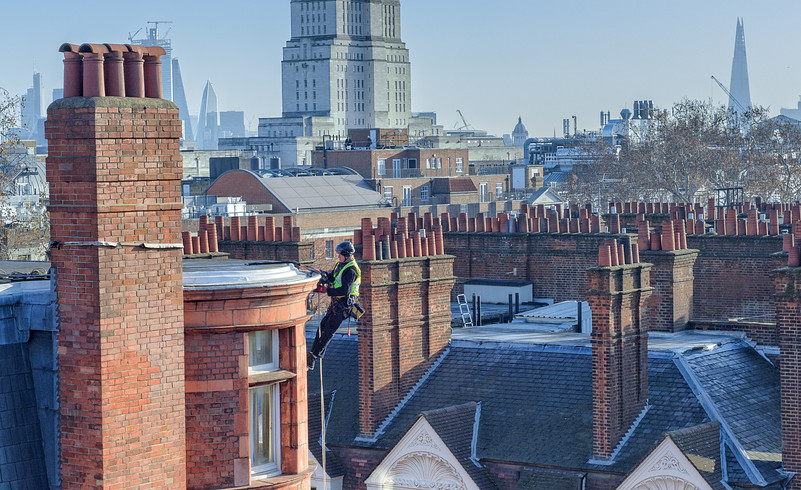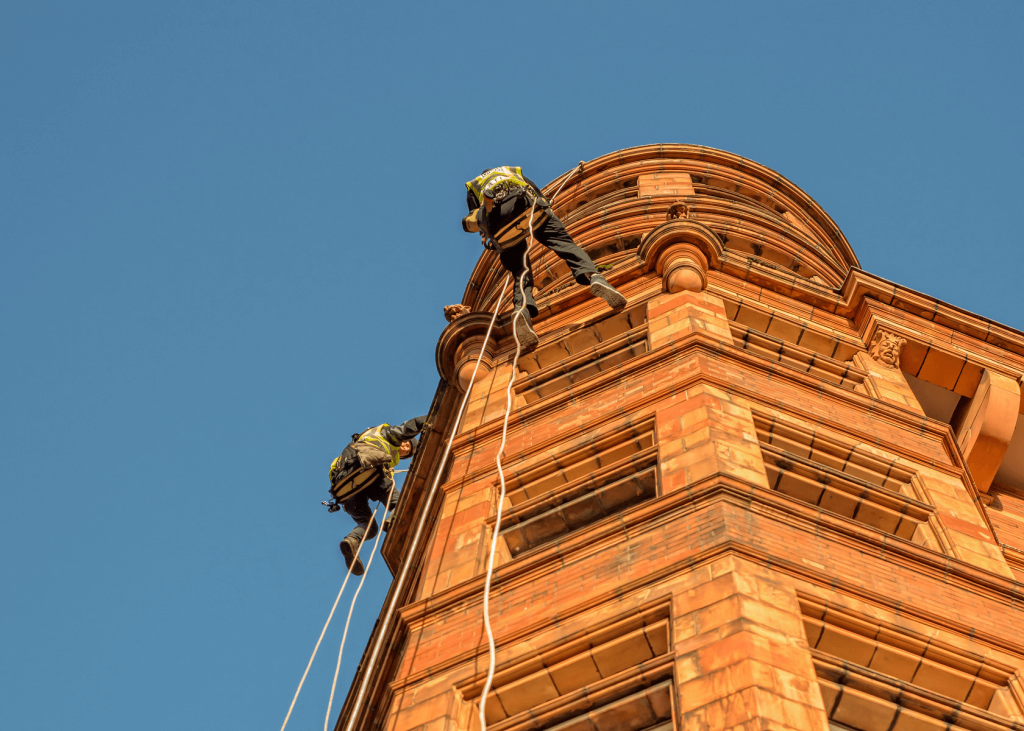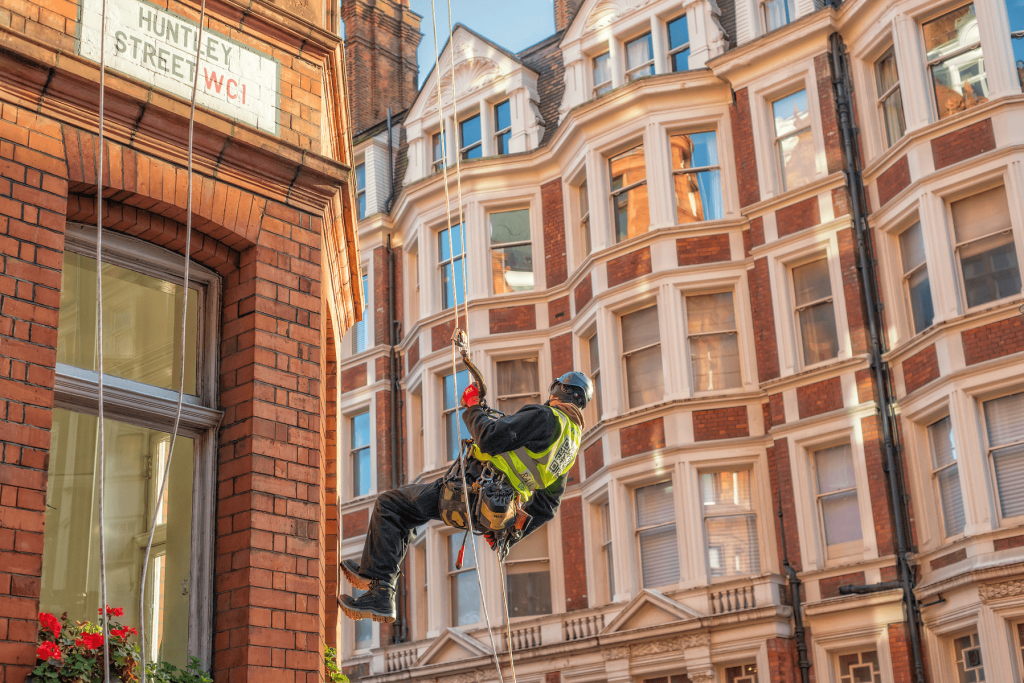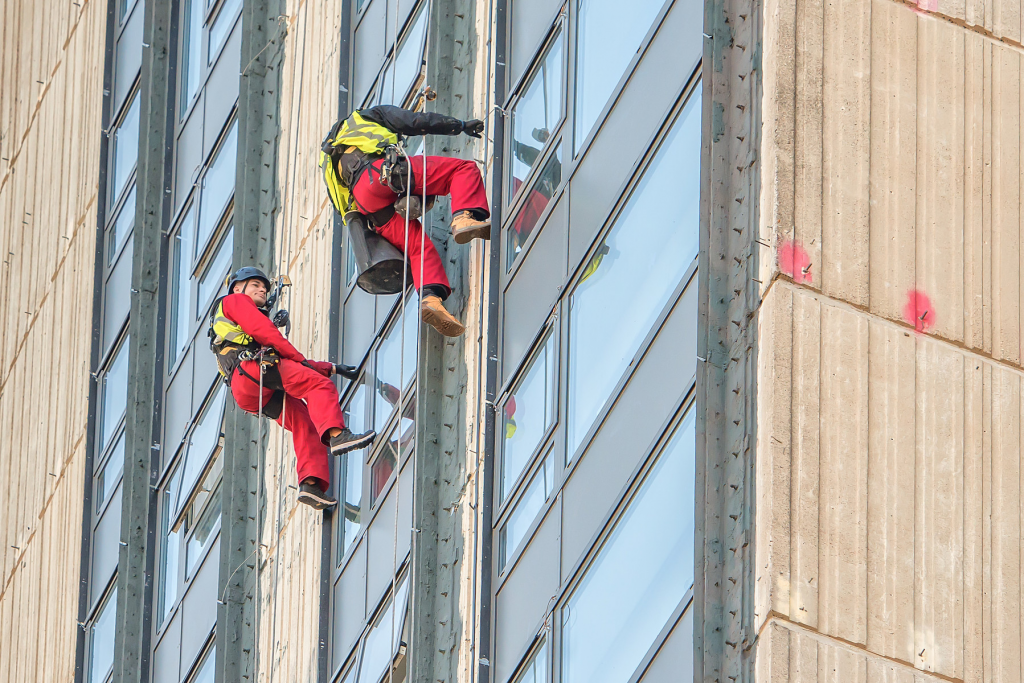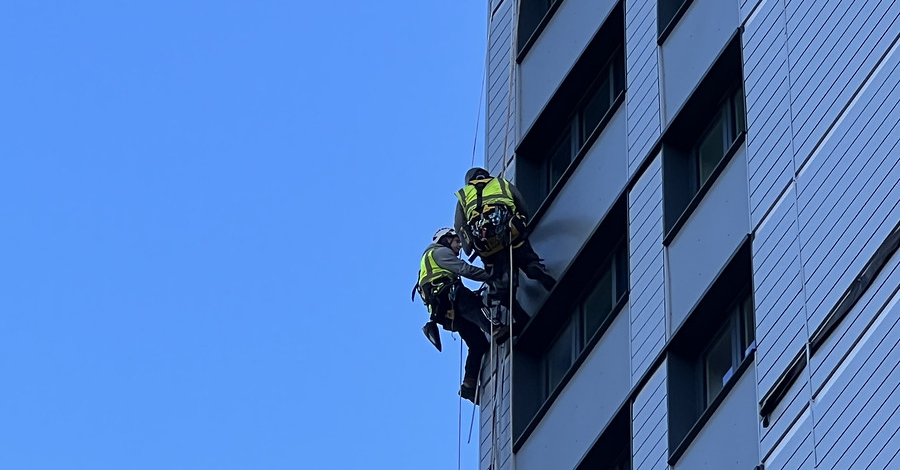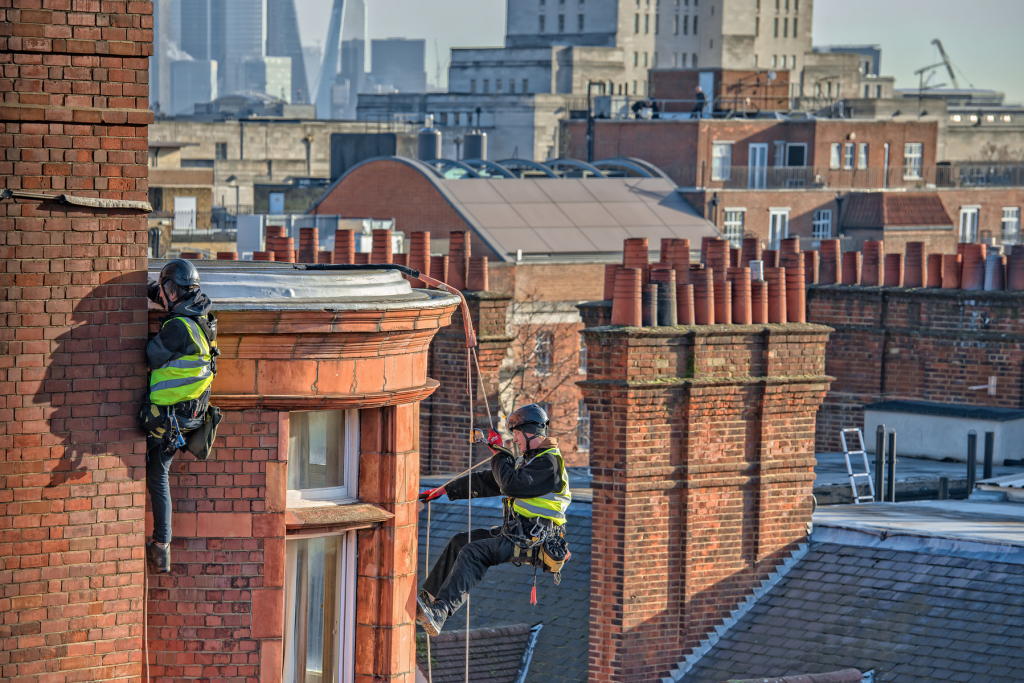


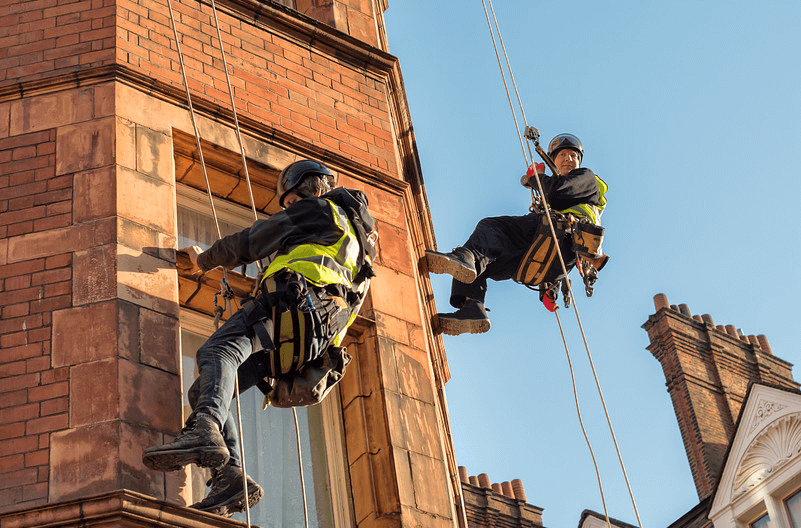
Rope access inspection in offshore safety is the method of using ropes and related gear to reach hard-to-access areas on offshore structures for inspection, maintenance, and repair. It is a form of industrial abseiling adapted for the harsh conditions on platforms, wind turbines, and vessels.
This method has changed how critical checks are done in marine energy. It offers a safer, faster, and often cheaper option than older access methods. It tackles the challenges of working at height and in exposed places, helping keep offshore assets structurally sound and safe to run.
What Is Rope Access Inspection in Offshore Safety?
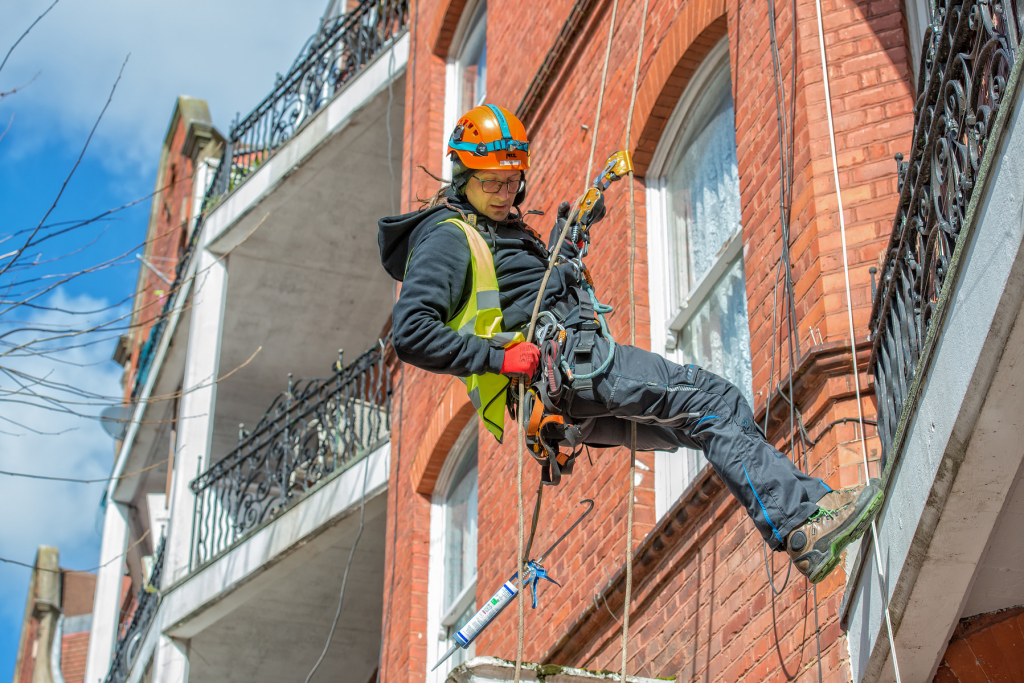
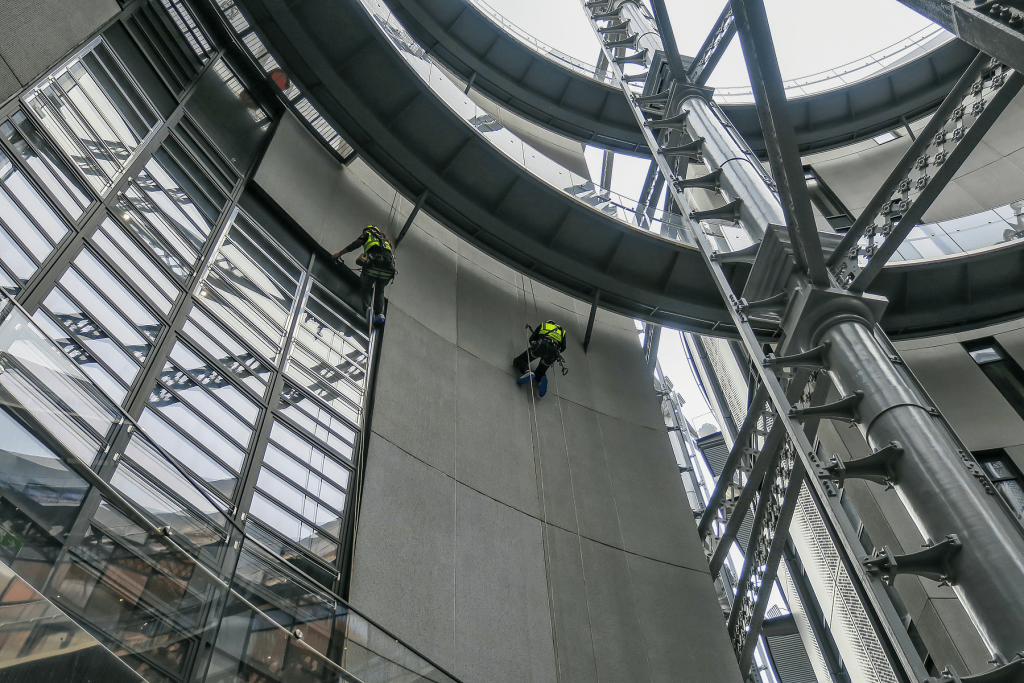
At its core, rope access inspection offshore is a specialised discipline that uses advanced rope techniques to place technicians safely at high or hard-to-reach spots on installations.
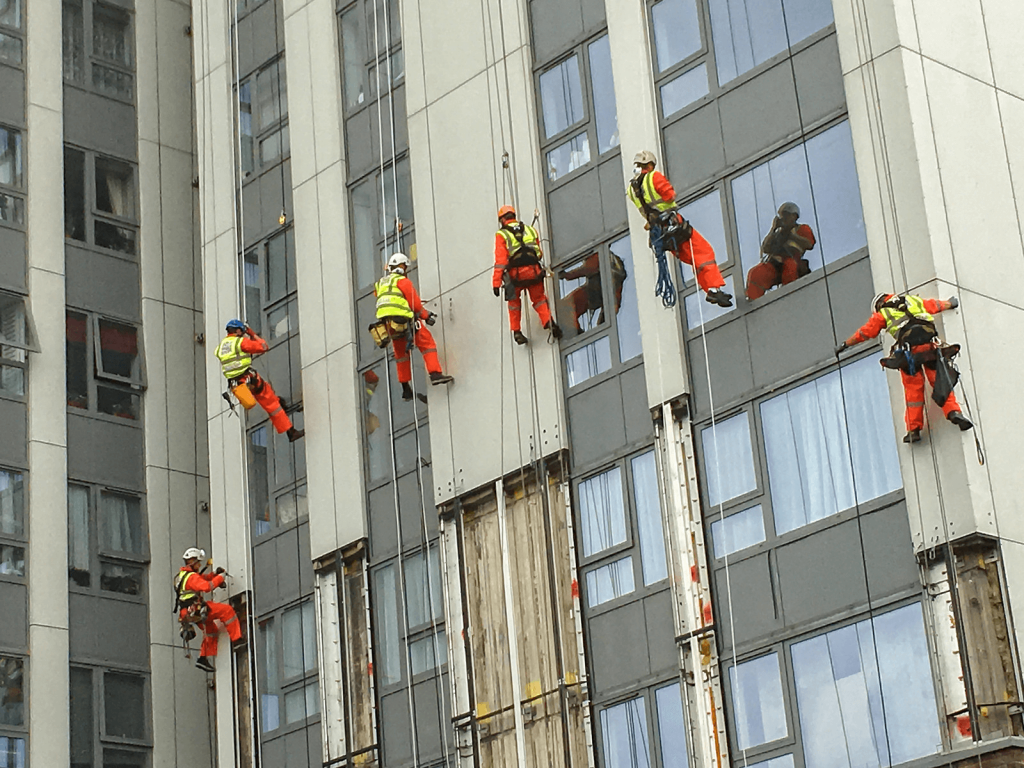
Think of skilled professionals suspended by ropes, carefully checking every part of a tall oil rig or a large wind turbine. These technicians are highly trained and certified to carry out many tasks whilst suspended, often far above the sea.
The method uses a two-rope setup: a working line and a backup line, each anchored separately to give strong redundancy and safety. This setup allows accurate positioning, so inspectors can get close to welds, joints, and key equipment that are hard to reach without big scaffolds or heavy machines.
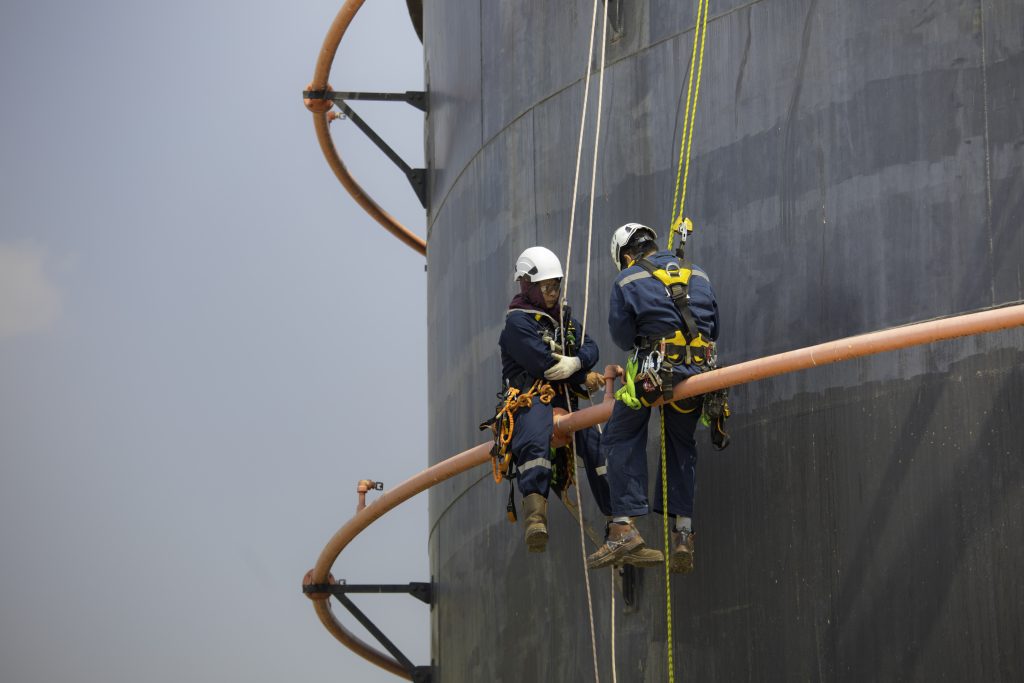
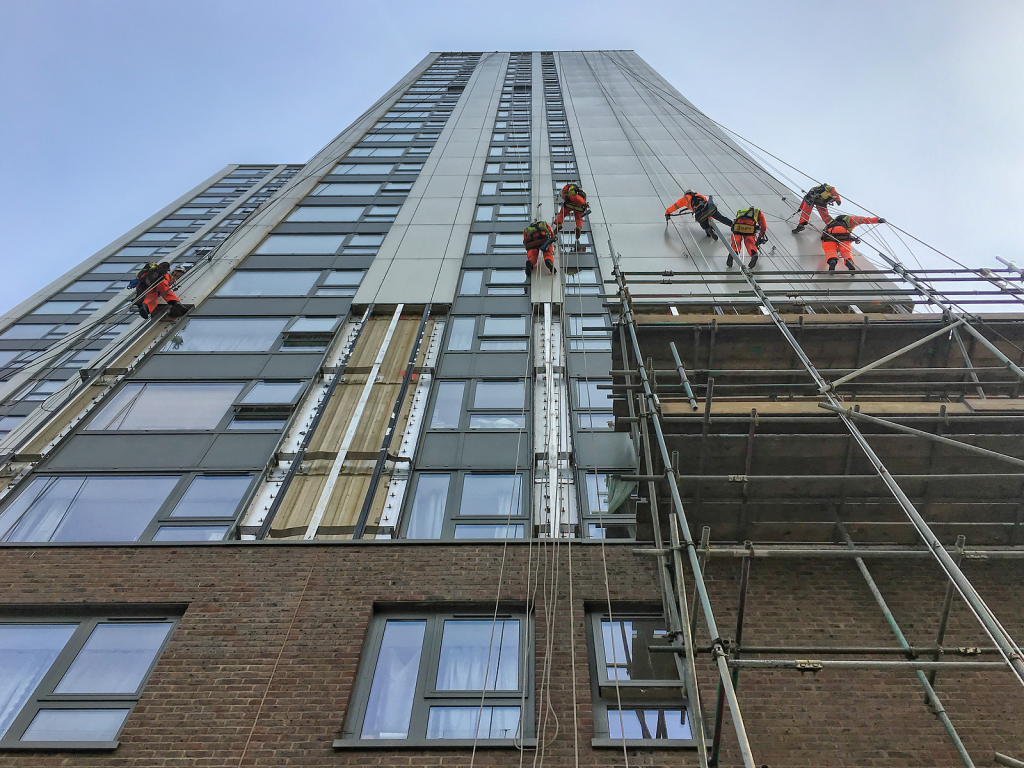
In the past, large sections might be shut down and complex structures built just for a visual check. Today, rope access teams can deploy fast, carry out their work, and leave with little disruption, helping keep operations running.
At Rope Access in London (RAIL), we’ve expanded our capabilities to serve the offshore sector comprehensively. Our work on oil and gas rigs and wind turbines combines IRATA-certified rope access expertise with specialist trade skills.
Why Is Rope Access Inspection Used in Offshore Environments?
The use of rope access offshore is a practical response to the scale, difficulty, and remoteness of these sites. Offshore assets need methods that are safe, flexible, and efficient. Traditional access can be too risky, too slow, or too costly for these settings.
Key Challenges of Offshore Structures
Offshore structures — oil and gas platforms, wind farms, and subsea installations — are built to handle harsh conditions, but they are hard to inspect.
Challenges include:
- large size and complex layouts that hide critical areas from easy reach
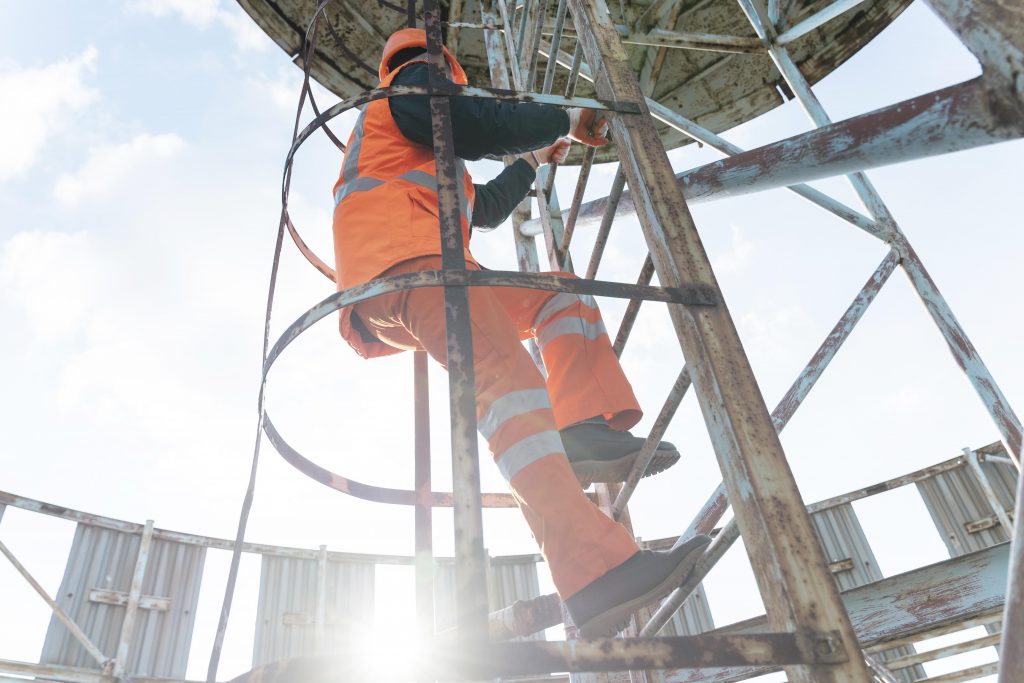
- very high locations, such as turbine blades and flare stacks
- corrosive marine environment with wind, waves, and salt spray that speed up wear
- pressure to avoid downtime, as stopping production can be very costly
- remote locations that make large crews and heavy equipment expensive and slow to deploy
Advantages Compared to Traditional Access Methods
Rope access compares well against scaffolding, cranes, and helicopters.
| Method | Setup time | Cost | Reach | Impact on operations |
| Scaffolding | Long | High | Good but fixed | High disruption, extra weight |
| Cranes/Lifts | Medium to long | High | Limited by boom and weather | Medium disruption |
| Rope Access | Short | Lower | Very good, flexible | Low disruption |
Rope access uses small teams, quick setup, and minimal gear. This cuts disruption, speeds up inspections, and can lower overall costs. Technicians can reach almost any point with accuracy, often finding issues that other methods might miss.
Need rapid offshore inspection or maintenance?Get in touch.
What Types of Rope Access Inspection Are Performed Offshore?
Rope access supports a wide range of inspection tasks for asset integrity offshore. From routine visual checks to advanced testing, technicians can assess structural and mechanical parts in detail.
Visual Surveys and Structural Integrity Checks
Rope access technicians carry out careful visual surveys, looking for wear, corrosion, distortion, cracking, loose fasteners, and general damage.
Structural checks go deeper into parts like risers, jackets, topsides, flare stacks, and turbine blades. Tasks include checking coating condition, looking for impact damage, reviewing cathodic protection, and confirming the tightness and stability of bolted joints.
Our building surveying expertise translates directly to offshore inspection work. We document findings and provide detailed reports with photographic evidence.
Specialist Inspections for Corrosion and Fatigue
Sea conditions make corrosion and fatigue constant threats. Rope access teams often run focused inspections in:
- splash zones and areas exposed to constant wetting and drying
- locations where microbial corrosion (MIC) may occur
- stress points where fatigue can start and spread
Tools may include borescopes for inside pipes and detailed coating surveys to judge protection quality. Early detection helps apply timely fixes, extend asset life, and avoid major failures.
What Are the Safety Standards and Regulations for Rope Access Offshore?
Offshore work has a strong framework of safety rules to protect people and operations. Rope access follows specific, widely recognised guidance.
Relevant UK and International Guidelines
In the UK, the Health and Safety Executive (HSE) sets guidance for work at height. The Work at Height Regulations 2005 matter a lot and follow a control order: avoid work at height if you can, prevent falls if not, and limit harm if a fall happens. Offshore duty holders also follow safety cases and systems under the Offshore Installations (Safety Case) Regulations 2015.
Internationally, the Industrial Rope Access Trade Association (IRATA) leads on rope access safety. The IRATA International Code of Practice (ICoP) sets training, work, and equipment standards used worldwide.
Many offshore operators ask for IRATA compliance due to its wide scope and proven record. In North America, the Society of Professional Rope Access Technicians (SPRAT) provides similar guidance.
Training and Certification Requirements
Rope access offshore is built on strong training and certification. Technicians complete full programmes covering rope techniques, rescue, equipment, and safety rules. IRATA offers three levels (1, 2, and 3). Level 3 is the most advanced and includes team supervision and complex rescues.
Certification is time-limited; technicians revalidate every three years to keep skills current. Many also hold extra qualifications for their tasks, such as NDT certifications (PCN, ASNT) and offshore training like BOSIET and MIST. This layered approach helps make sure only competent people carry out rope access offshore.
Our commitment to training and certification at RAIL goes beyond minimum requirements. We invest heavily in keeping our technicians’ skills current and expanding their capabilities. This creates a highly capable, versatile workforce that delivers exceptional value in offshore environments.
How to Choose a Rope Access Inspection Provider for Offshore Projects
Picking the right provider affects safety, efficiency, and asset health. Price matters, but you need a partner with skill, reliability, and a strong safety culture.
What Qualifications and Experience Should Be Checked?
Start by checking company accreditation with IRATA or SPRAT. This shows they follow high standards for safety, training, and work methods. Then review staff credentials. Each technician, supervisor, and rescue lead should hold valid, current certificates for their role.
Experience offshore is key. Ask about similar projects on platforms, wind turbines, or subsea assets. A provider with proven results on complex offshore work will better handle unique challenges, weather, and rules.
Look for signs of strong safety performance, such as incident rates, any awards, and examples of risk assessments and job safety analyses.
At RAIL, our multi-disciplinary approach means we can inspect, identify issues, and implement solutions quickly — saving time, money, and the complications of coordinating multiple contractors in challenging offshore environments.
Certifications, Equipment, and Insurance Considerations
A good provider uses certified, well-kept equipment. Ask about their gear inspection and maintenance schedules. All rope gear — ropes, harnesses, descenders, ascenders — should meet relevant EN or similar standards and have regular, documented checks.
Insurance must cover offshore and rope access work. Confirm they hold full liability cover for these activities. Also check for quality systems (ISO 9001) and environmental systems (ISO 14001), which show responsible operations.
Careful checks in these areas will help you pick a provider that delivers safe, efficient, and high-quality inspections.
Looking for a trusted offshore rope access partner?When safety and efficiency matter, choose experience — choose RAIL.
Conclusion
Rope access inspection has become a cornerstone of modern offshore safety. It offers a practical, efficient, and highly secure method for maintaining critical infrastructure in some of the world’s most challenging environments.
Ultimately, its role in offshore safety is not just about inspection — it is about building resilience, protecting people, and sustaining the energy systems that power our world.
Frequently Asked Questions
What weather conditions prevent offshore rope access work?
Wind speed is the primary limiting factor for offshore rope access. Most operators implement strict weather parameters — typically halting work when sustained winds exceed 12-15 metres per second (roughly 27-34 mph) or when gusts significantly exceed these levels. Heavy rain, lightning, poor visibility (fog), and rough seas that cause excessive platform movement also stop work.
How does rope access work differ between oil/gas platforms and wind turbines?
Whilst the core rope access techniques remain consistent, oil and gas platforms and wind turbines present distinct challenges.
Platforms typically offer more anchor point options but involve working around live process equipment, hydrocarbons, and complex structural layouts.
Wind turbines involve working on slender towers with limited anchor points, often requiring specialized rigging from the nacelle, and working around rotating components when turbines are operational.
Can rope access teams perform emergency repairs offshore?
Yes, and this is one of rope access’s key advantages. Quick mobilisation combined with multi-skilled technicians means emergency repairs can often begin within hours or days rather than the weeks traditional access methods might require. At RAIL, our teams include qualified welders who can perform structural repairs, electricians who can address electrical faults, and painters who can apply emergency corrosion protection — all whilst on rope.
{ “@context”: “https://schema.org”, “@type”: “FAQPage”, “mainEntity”: [{ “@type”: “Question”, “name”: “What weather conditions prevent offshore rope access work?”, “acceptedAnswer”: { “@type”: “Answer”, “text”: “Wind speed is the primary limiting factor for offshore rope access. Most operators implement strict weather parameters — typically halting work when sustained winds exceed 12-15 metres per second (roughly 27-34 mph) or when gusts significantly exceed these levels. Heavy rain, lightning, poor visibility (fog), and rough seas that cause excessive platform movement also stop work.” } },{ “@type”: “Question”, “name”: “How does rope access work differ between oil/gas platforms and wind turbines?”, “acceptedAnswer”: { “@type”: “Answer”, “text”: “Whilst the core rope access techniques remain consistent, oil and gas platforms and wind turbines present distinct challenges. Platforms typically offer more anchor point options but involve working around live process equipment, hydrocarbons, and complex structural layouts. Wind turbines involve working on slender towers with limited anchor points, often requiring specialized rigging from the nacelle, and working around rotating components when turbines are operational.” } },{ “@type”: “Question”, “name”: “Can rope access teams perform emergency repairs offshore?”, “acceptedAnswer”: { “@type”: “Answer”, “text”: “Yes, and this is one of rope access’s key advantages. Quick mobilisation combined with multi-skilled technicians means emergency repairs can often begin within hours or days rather than the weeks traditional access methods might require. At RAIL, our teams include qualified welders who can perform structural repairs, electricians who can address electrical faults, and painters who can apply emergency corrosion protection — all whilst on rope.” } }] }