2 min. read

Safety practices when working at heights

Summarize in your favorite AI assistant - click:
Blog post image

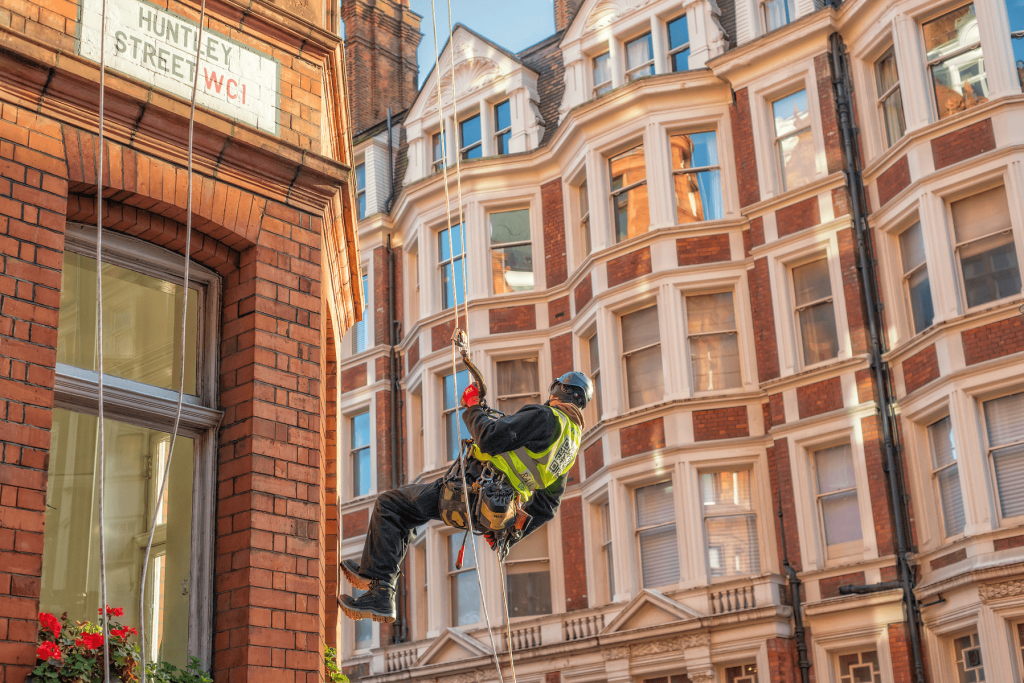
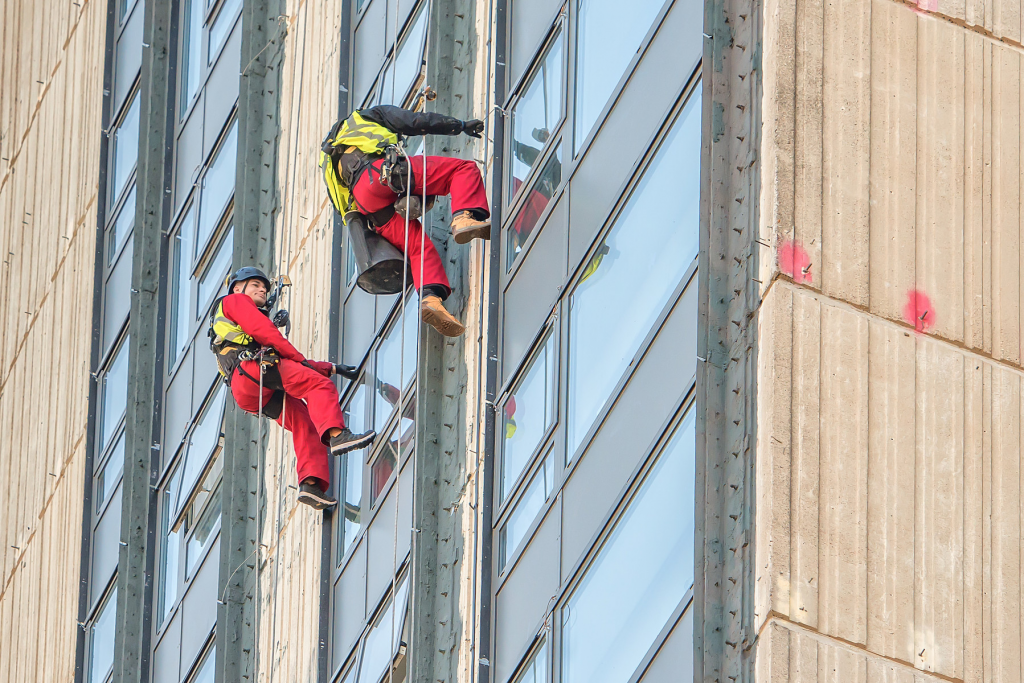
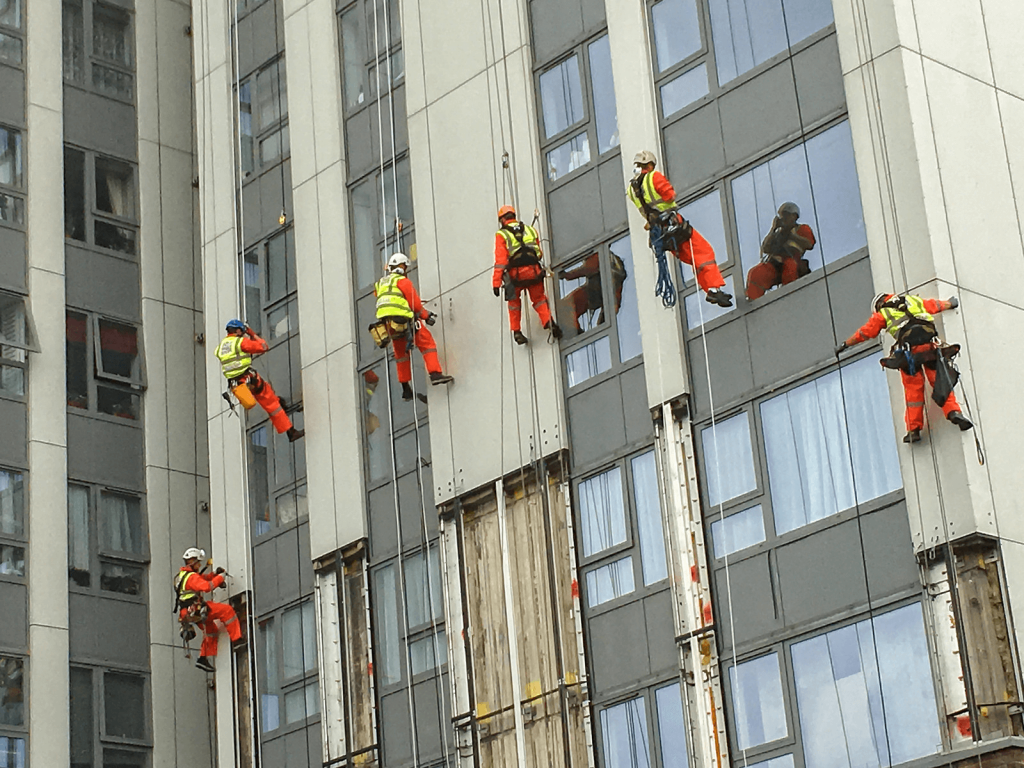
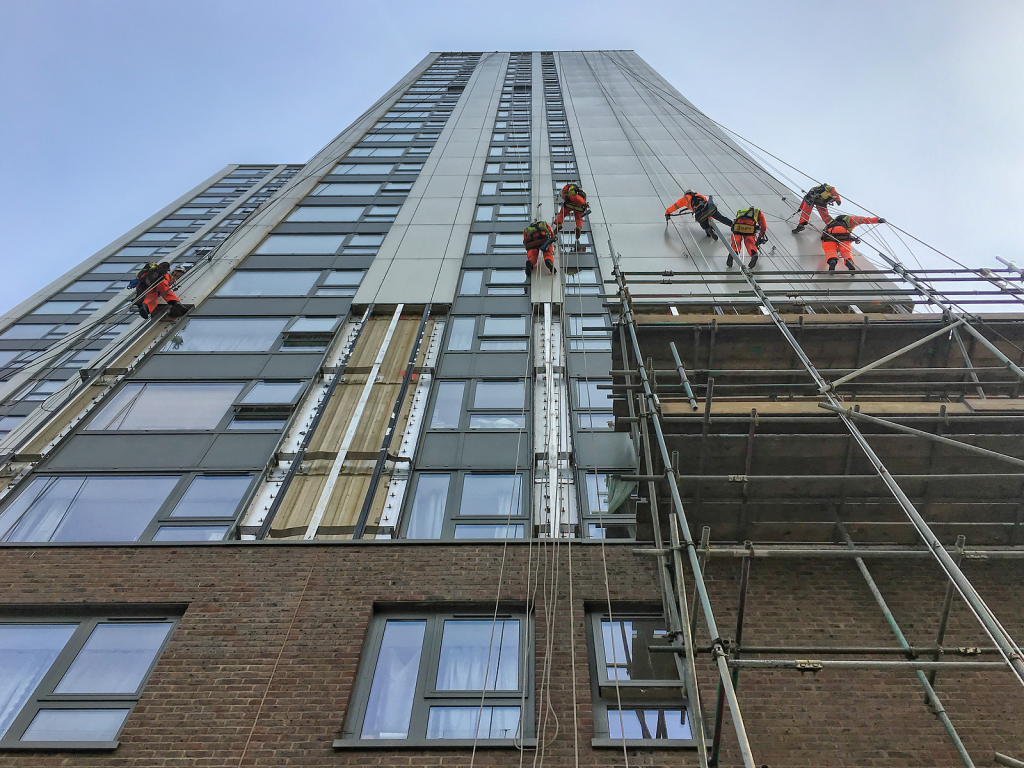
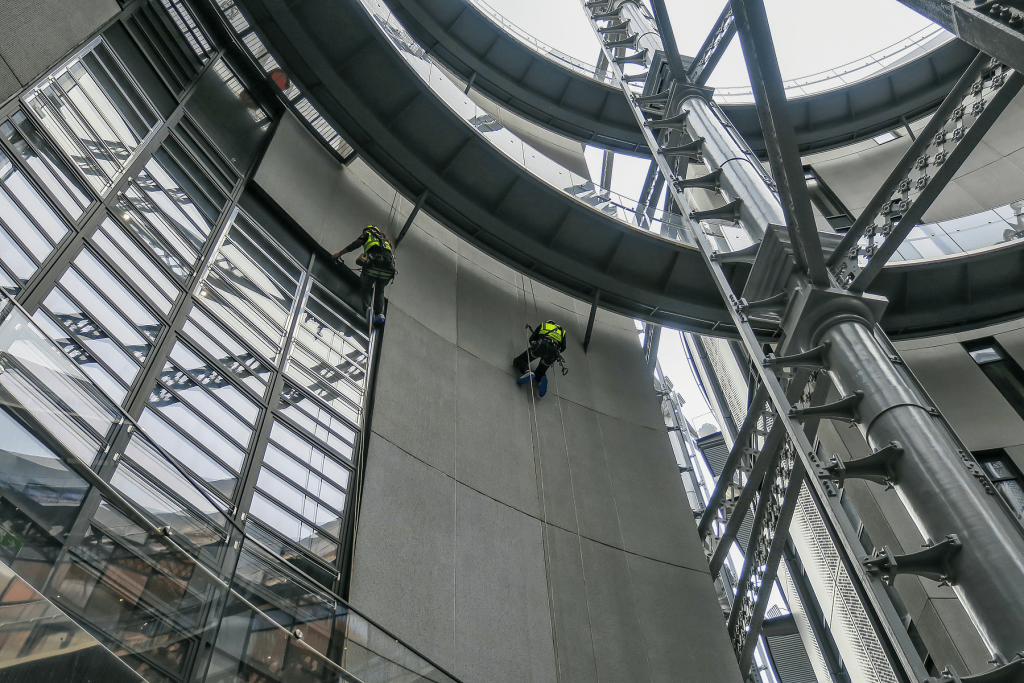
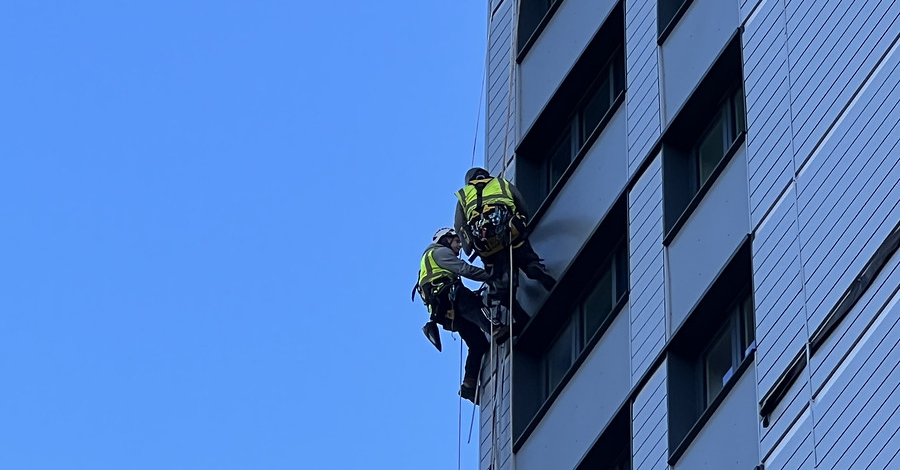
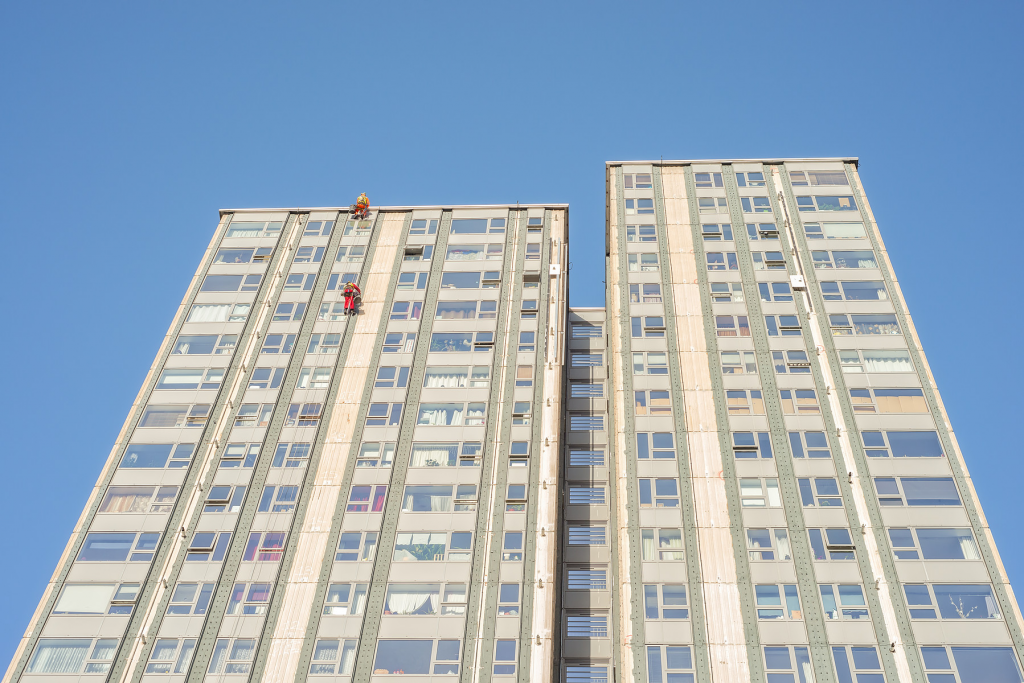
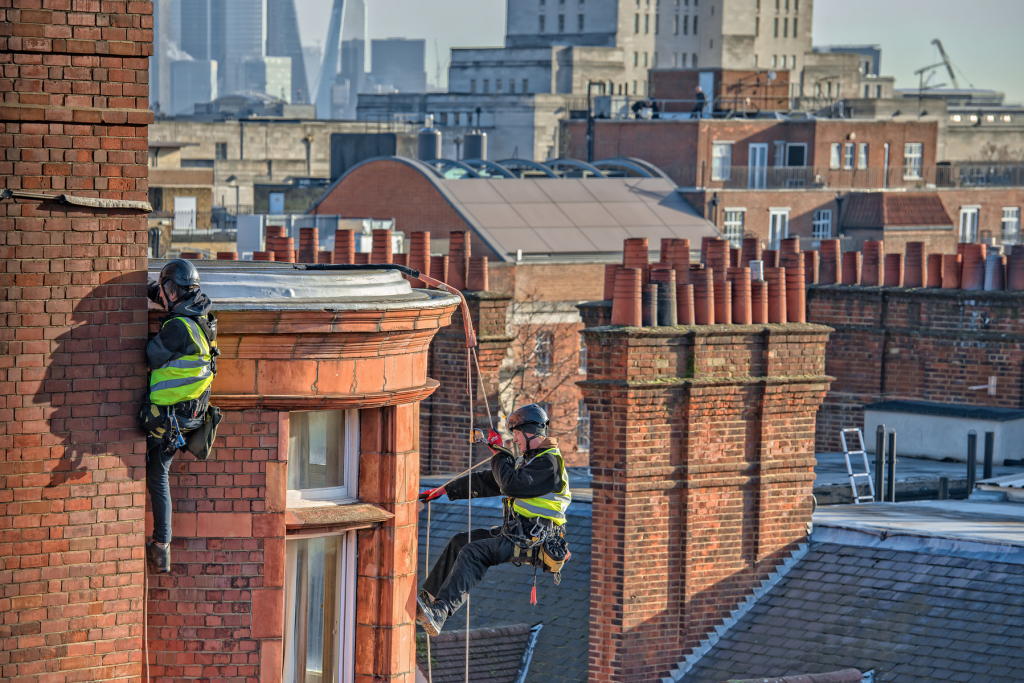
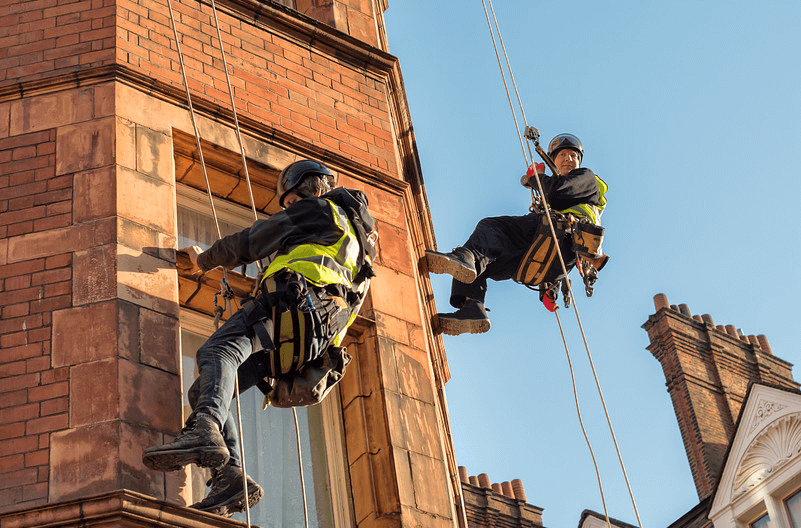
Whether we’re talking about industrial abseiling or any other method, working at heights is doubtless very dangerous. Just the idea of seeing someone working on a high elevation may be intimidating to most, but being up there on your own demands an entirely new approach to the fear of heights, as well as the implementation of safety measures. Here’s a handy guide on some of the most frequently utilised safety practices for work at heights.

Equipment

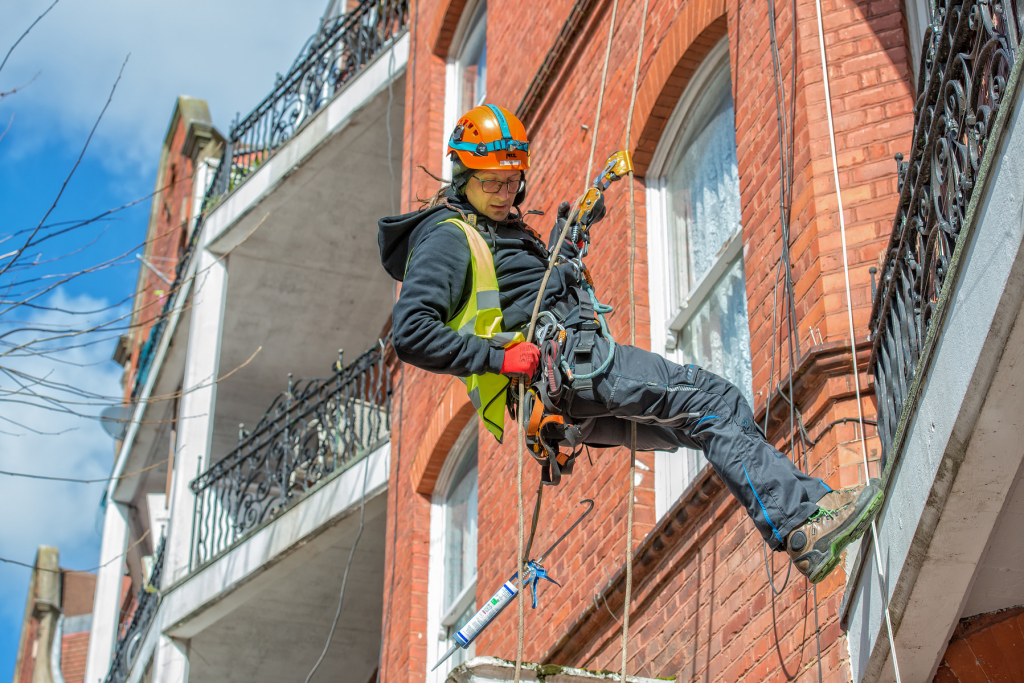
In order to ensure that rope access technicians can work in the safest conditions possible, there are plenty of tools employed in their work to make that a reality. These include:

  • harnesses,
  • connectors,
  • descenders,
  • ascenders,
  • ropes,
  • lanyards,
  • helmets,
  • pulleys.

All of these tools must undergo rigorous tests to ensure that they are not only fit for the project but that they truly promise maximum security on all possible levels.

Access and Hazard Zones

Designating these two types of zones are an integral part of making sure that the work at heights environment is safe. The access zone refers to an area that puts people at greater risk of falling, such as working edges. This zone must be clearly marked with banners and warning signs in order to minimize the risk of someone falling down. A hazard zone, on the other hand, is a designated area where people are at risk due to the work being performed, e.g. trauma caused by a falling object. Both of those zones pertain to people on-rope as well as pedestrians.

Communication

This is a point that might seem obvious, but it cannot be stressed enough. In order to ensure that a project proceeds without incident, the members of the rope access team need to properly coordinate their actions. As such, before work begins, an effective communications system must be established. Everyone must be aware of specific signals, both related to normal work operations, as well as emergency situations. When possible, radio systems should be implemented in order to provide further-reaching communications options. Whatever the established communications rules are, it is absolutely crucial that all signs, symbols, and other communications are rehearsed before work even commences, as neglecting to do that can lead to some dire consequences.
4/5 - (1 vote)
rail news & articles

Read similar insights from RAILs

See more Arrow icon
High-Rise Rope Access Building Cleaning: Why Experience Matters

High-Rise Rope Access Building Cleaning: Why Experience Matters

Updated: Added:
Read more Arrow icon
Prevention and Maintenance – How Regular Rope Access Can Prevent Hazardous Situations and Emergency Interventions

Prevention and Maintenance – How Regular Rope Access Can Prevent Hazardous Situations and Emergency Interventions

Updated: Added:
Read more Arrow icon
Rope Access vs Traditional Scaffolding – Which Is Better for Meeting Legal Obligations

Rope Access vs Traditional Scaffolding – Which Is Better for Meeting Legal Obligations

Updated: Added:
Read more Arrow icon
Common Myths About Damp and Mould Causes – And How Rope Access Verifies the Facts

Common Myths About Damp and Mould Causes – And How Rope Access Verifies the Facts

Updated: Added:
Read more Arrow icon
How Rope Access Helps Landlords Meet Awaab’s Law Timeframes

How Rope Access Helps Landlords Meet Awaab’s Law Timeframes

Updated: Added:
Read more Arrow icon
Why Standard Internal Inspections Aren’t Enough – Buildings Require Full Structural Surveys

Why Standard Internal Inspections Aren’t Enough – Buildings Require Full Structural Surveys

Updated: Added:
Read more Arrow icon
Typical Building Defects Detected by Rope Access That Lead to Damp and Mould

Typical Building Defects Detected by Rope Access That Lead to Damp and Mould

Updated: Added:
Read more Arrow icon
How Rope Access Accelerates Hazard Removal Under Awaab’s Law – From Detection to Repair

How Rope Access Accelerates Hazard Removal Under Awaab’s Law – From Detection to Repair

Updated: Added:
Read more Arrow icon
What Does a Blade Repair Technician Do?

What Does a Blade Repair Technician Do?

Updated: Added:
Read more Arrow icon
Offshore Oil & Gas Maintenance Solutions

Offshore Oil & Gas Maintenance Solutions

Updated: Added:
Read more Arrow icon
Rope Access Inspection in Offshore Safety

Rope Access Inspection in Offshore Safety

Updated: Added:
Read more Arrow icon
What We Look for During the Brick Work Inspection

What We Look for During the Brick Work Inspection

Updated: Added:
Read more Arrow icon
EXTENDED CONTACT FORM

Do you have a project? Let’s e-meet!