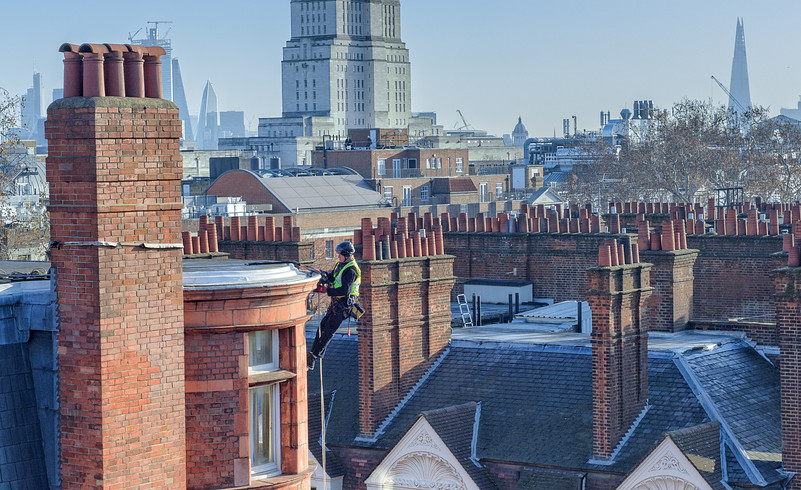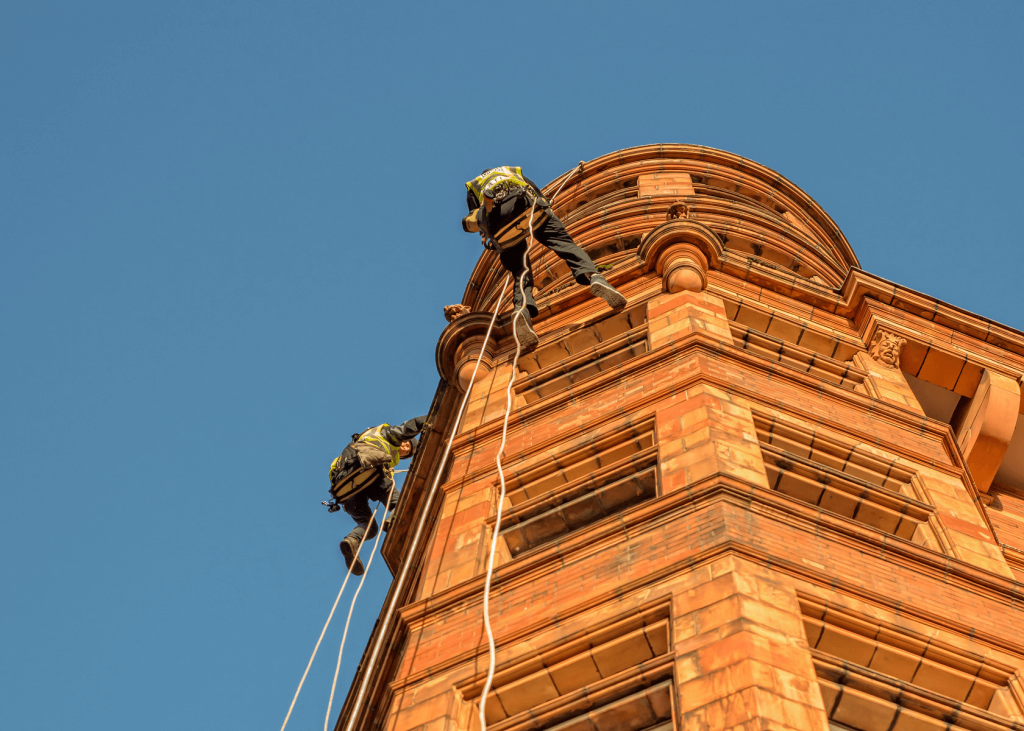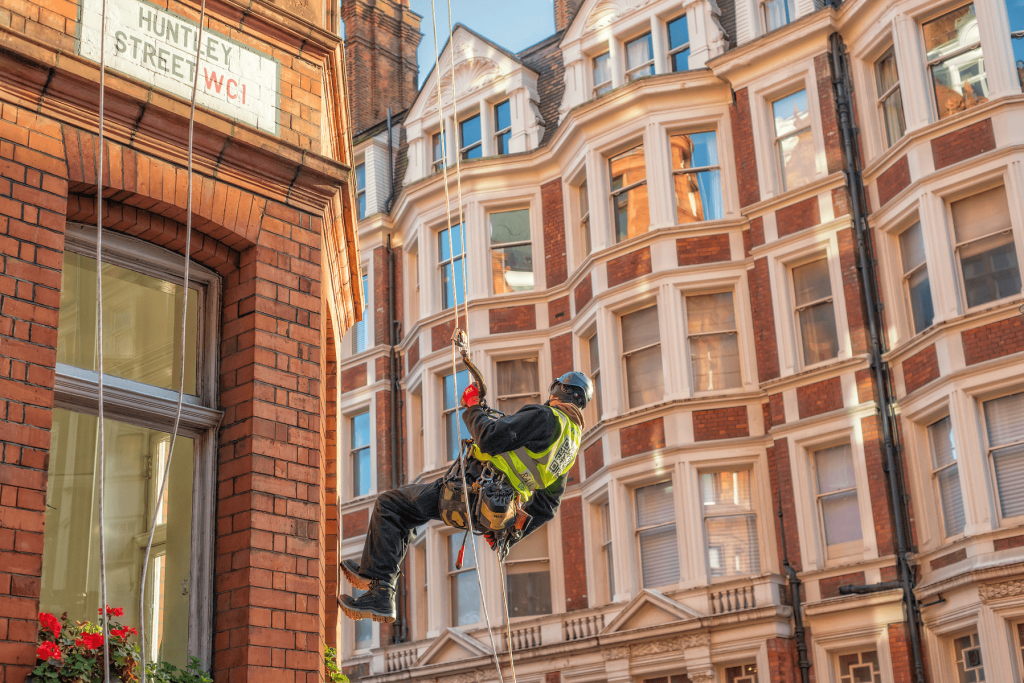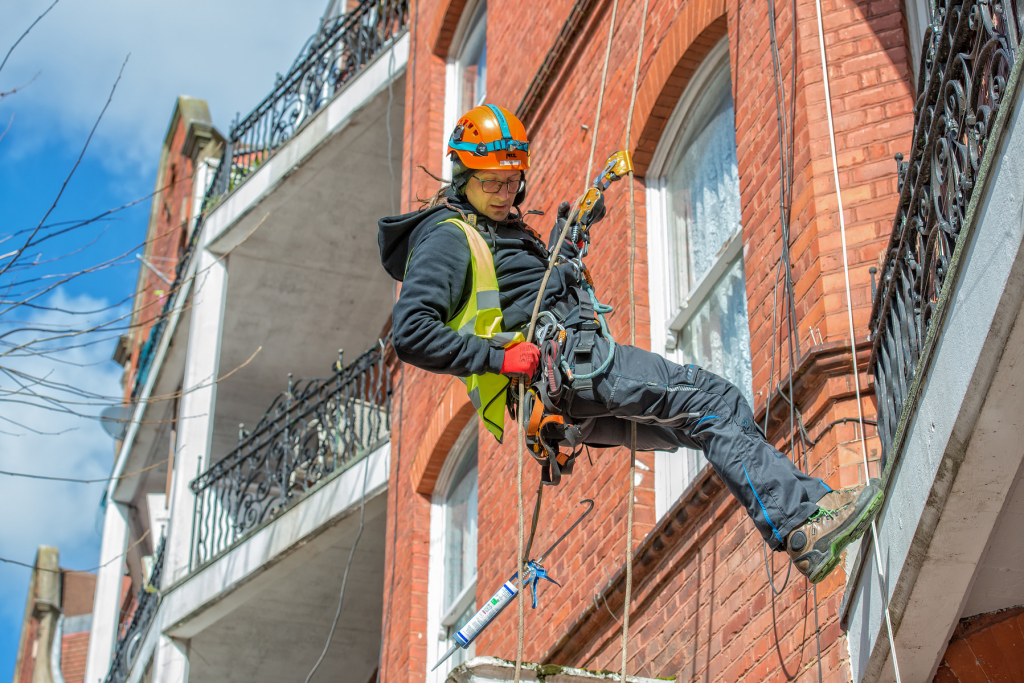


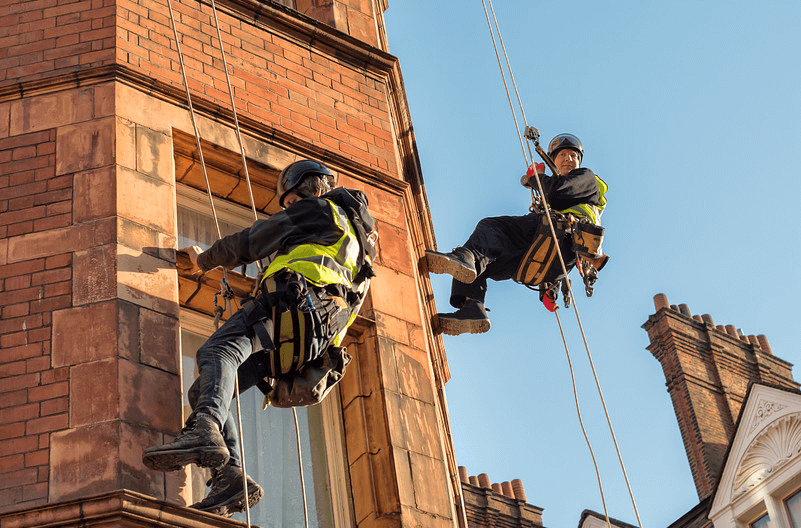
Traditional access methods (scaffolding, cherry pickers, and mobile elevated work platforms) have defined the construction industry for generations. Yet certain jobs exist in that frustrating category of “technically possible but practically impossible” when conventional approaches are considered.
At Rope Access in London (RAIL), we’ve built our reputation on tackling projects that other contractors decline or quote astronomical prices to attempt.
These aren’t exotic or unusual jobs. They’re real-world building maintenance, installation, and repair tasks that London’s built environment demands constantly.
The difference is that rope access transforms them from nightmarish logistical puzzles into straightforward, cost-effective projects.
Understanding which jobs become dramatically simpler with rope access helps property owners recognise opportunities to solve long-standing problems or tackle maintenance they’ve been postponing because conventional quotes seemed prohibitively expensive.
Let’s explore ten categories of work where rope access often provides the only practical solution.
Emergency Repairs That Demand Immediate Access
When building failures create safety hazards, waiting weeks for scaffolding erection simply isn’t acceptable. Rope access provides emergency response capabilities that can mean the difference between a contained problem and escalating disaster.
1. Dangerous Cladding Requiring Urgent Removal
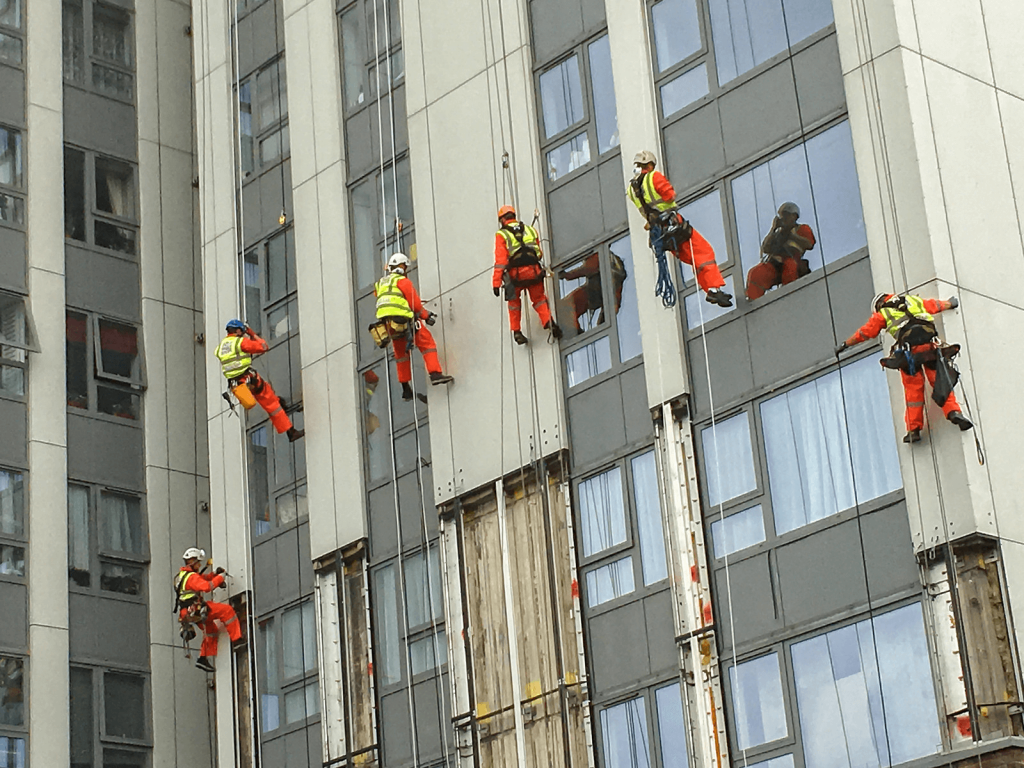
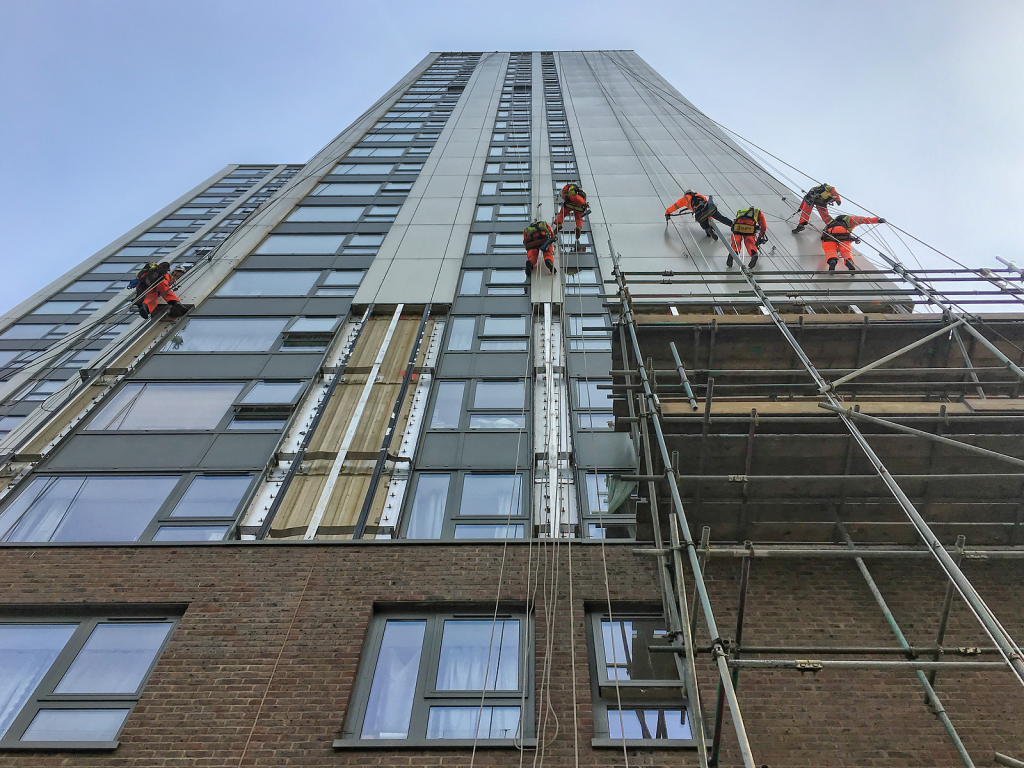
Nothing concentrates minds like a structural engineer’s report declaring external cladding panels pose immediate fall risks. Rope access teams can quickly respond to emergency calls where wind damage, failed fixings, or deterioration has left cladding panels partially detached, flapping in the wind, and threatening pedestrians below.
Traditional contractors quote 2-3 weeks minimum for scaffolding erection before they can even assess the problem properly. We mobilise within hours.
Our technicians establish anchor points, access the affected area, make it safe through temporary securing or controlled removal, and provide detailed photographic evidence for insurance claims and engineering assessment.
2. Critical Waterproofing When Leaks Won’t Wait
Severe water ingress destroys buildings rapidly. When a major roof failure or façade breach allows water to cascade into occupied spaces, emergency waterproofing becomes essential regardless of weather conditions or access complications.
We’ve conducted emergency waterproofing on buildings where conventional access was impossible within useful timeframes.
Leaking expansion joints, failed roof membranes, or cracked render allowing persistent water ingress all require immediate attention before damage compounds exponentially.
3. Glazing Failures Creating Immediate Hazards
Cracked or failed glazing at height — particularly large panels in curtain wall systems — poses obvious dangers. High winds can transform cracked glass into falling shards, and once a panel has failed partially, complete failure becomes increasingly likely with each weather event.
Our glazing specialists respond to emergency call-outs for failed glass throughout London. We board up or temporarily secure damaged panels, preventing further deterioration whilst replacement glass is fabricated to specification.
Want to see rope access in action?Explore our services!
Historic Building Work
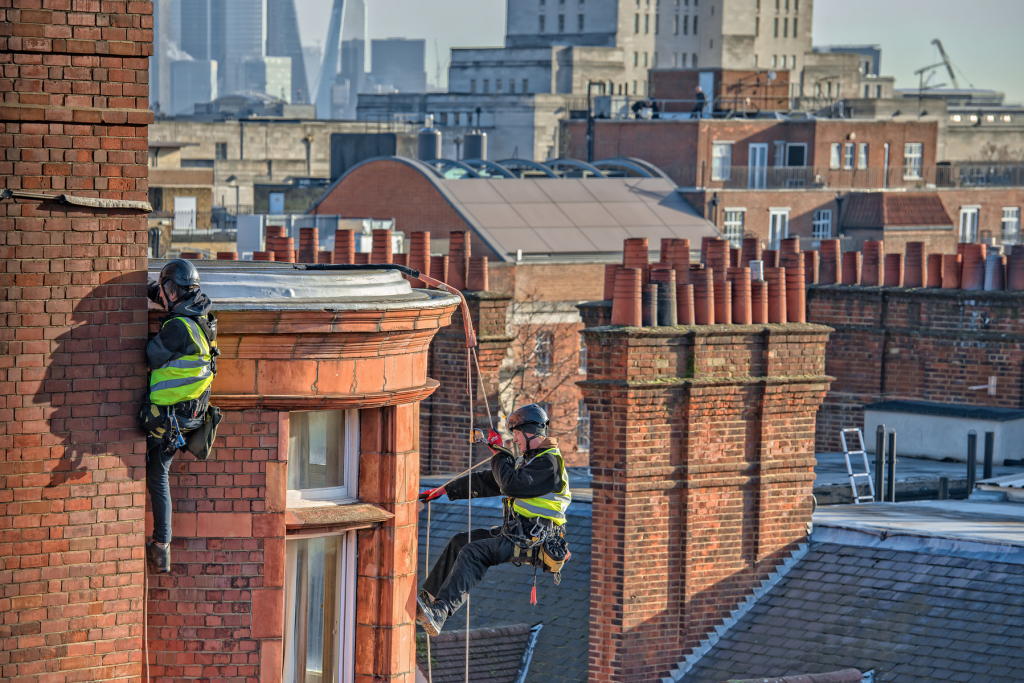
London’s architectural heritage presents unique access challenges. Listed buildings often feature complex geometries, delicate materials, and planning restrictions that make scaffolding problematic or impossible.
4. Cleaning That Won’t Damage Delicate Stonework
Historic buildings accumulate decades or centuries of pollution, biological growth, and staining. Cleaning requires accessing every surface whilst using methods gentle enough to preserve delicate stone, terracotta, or decorative elements.
We’ve cleaned dozens of listed buildings using rope access combined with heritage-appropriate cleaning methods. Our building surveying background means we identify material types correctly and select appropriate cleaning approaches that conserve rather than damage.
5. Repointing Awkward Architectural Features
Historic buildings feature architectural elements (carved cornices, decorative string courses, ornate window surrounds) where mortar joints deteriorate but access is fiendishly complicated. Conventional scaffolding would require extensive boarding and framework just to create stable working platforms.
Our rope access technicians position themselves precisely at deteriorated joints, rake out failed mortar, and repoint using lime mortars matched to original specifications.
6. Installing Bird Protection Without Facade Damage
Historic buildings attract roosting birds like magnets — the very architectural features we cherish provide perfect nesting locations. Installing bird protection requires accessing every ledge, niche, and recess without drilling into or damaging protected fabric.
We install discrete netting systems, stainless steel wire deterrents, or specialist spike systems using non-invasive fixing methods.
Work at Extreme Heights
Some jobs are routine at ground level but become dramatically complicated above twenty storeys. Rope access thrives in these extreme-height scenarios.
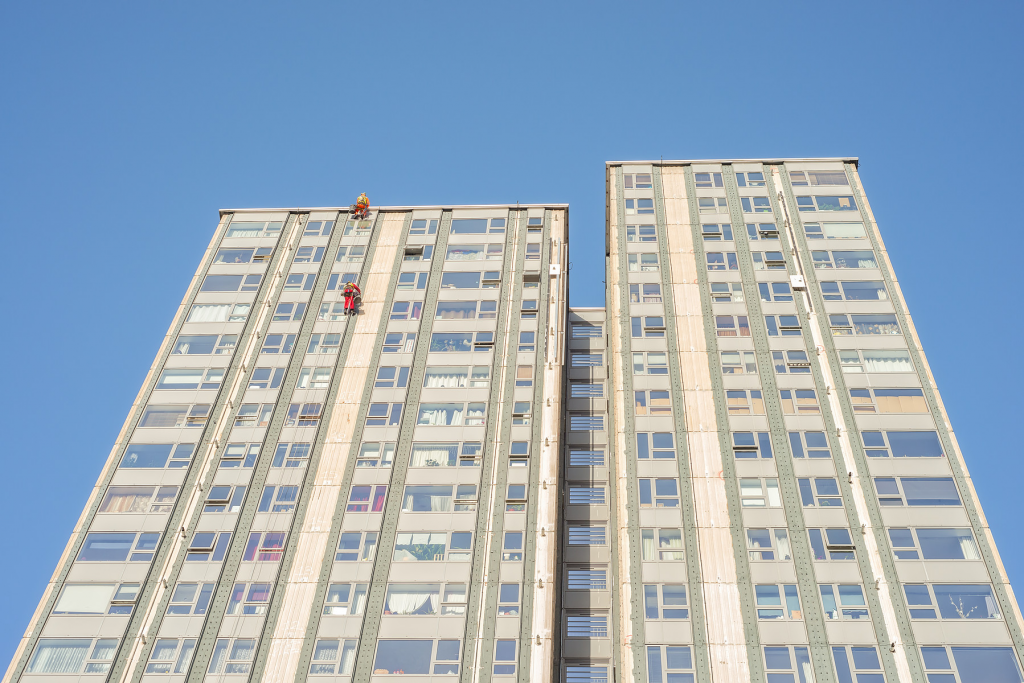
7. High-Rise External Painting
Painting tower blocks presents obvious challenges — scaffolding costs become astronomical as building height increases, and tower cranes required for scaffold erection add further expense.
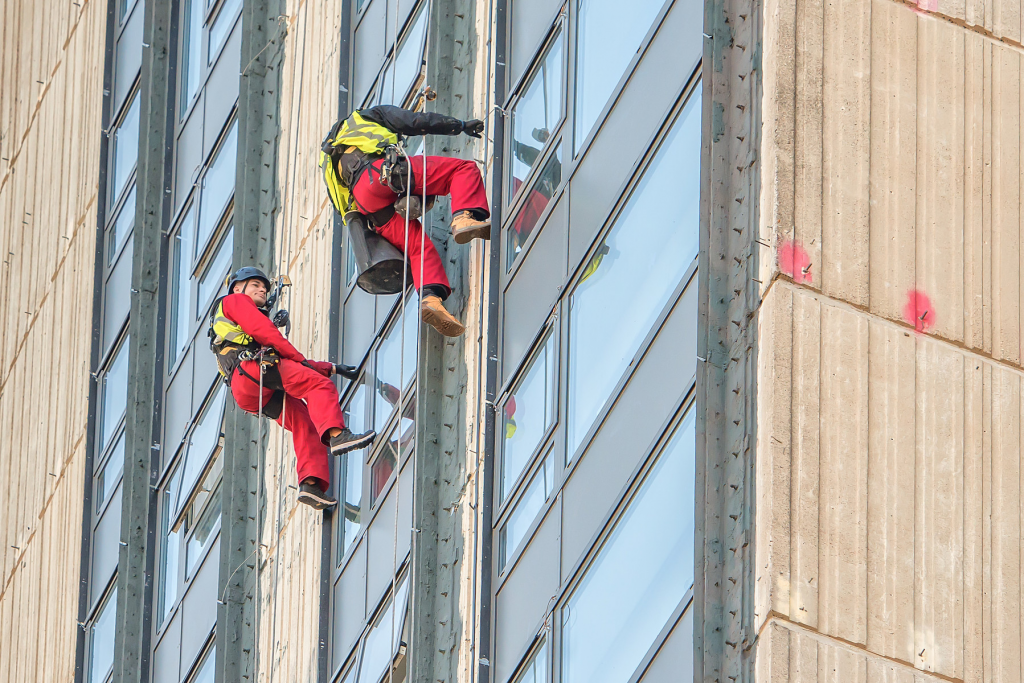
Rope access painters work systematically from top down, establishing anchor points on roof edges and working across each level.
We’ve painted tower blocks throughout London, using paint systems specified for high-exposure conditions and applying them to manufacturer standards despite the challenging working environment.
8. Communications Equipment on Extreme Structures
Mobile phone masts, broadcast antennas, and communications equipment increasingly occupy the highest points of tall buildings. Installation, maintenance, and upgrades of this equipment require specialist access capabilities combined with technical knowledge.
Our electricians service communications equipment on tower blocks, church spires, and industrial chimneys throughout London. We conduct equipment installations, upgrade antenna systems, perform maintenance on microwave dishes, and replace failed components — all at heights where conventional access becomes prohibitively expensive.
9. Façade Inspections After Storm Damage
High winds affect tall buildings disproportionately. After major storms, building surveying becomes essential to identify wind damage — loose cladding, cracked render, damaged architectural features, or compromised weatherproofing.
We conduct post-storm building surveying on tower blocks throughout London, systematically inspecting and photographing every façade surface to document damage. Our detailed reports with photographs provide building owners with comprehensive evidence for insurance claims and inform emergency repair priorities.
Specific Industrial Applications That Showcase Rope Access Versatility
Our industrial rope access experience — particularly on wind turbines and oil and gas rigs — has developed capabilities that transfer powerfully to unusual building maintenance scenarios.
10. Structural Steel Repairs in Impossible Locations
Buildings age, and structural steelwork corrodes or fails. Repairs often involve locations that defy conventional access. These are building overhangs above railways, cantilevered sections over water, or concealed structural elements only accessible from outside.
Our welders conduct structural steel repairs throughout London on buildings where access complications had deterred conventional contractors.
11. Confined Space Work Combined with Height Access
Some building systems require both height access and confined space entry protocols. This combination of challenges demands technicians qualified in both disciplines.
We’ve inspected and repaired water storage tanks on building rooftops, conducted maintenance inside lift shafts on tower blocks, and accessed building service voids combining height and confinement.
The rigorous safety protocols required for confined space work complement rope access disciplines perfectly, ensuring safe execution of inherently hazardous tasks.
12. Installing Building Services on Difficult Rooftops
HVAC equipment, ventilation systems, and building management sensors increasingly occupy building rooftops with complex geometries and limited access. Installing or maintaining this equipment often involves awkward working positions on sloped surfaces.
Our electricians and plumbers install and service building systems throughout London.
Conclusion
These categories of work represent just a fraction of the jobs where rope access transforms the impossible into the straightforward.
At Rope Access in London, we’ve made solving “impossible” access problems our specialty, bringing together IRATA-certified rope access technicians and comprehensive experience.
Whether your project involves residential towers, commercial properties, historic buildings, or industrial facilities, rope access offers capabilities conventional methods simply cannot match for speed, cost-effectiveness, safety, and sheer practicality.
The next time you face a building maintenance challenge, consider whether rope access might transform your project into a straightforward solution.
Learn how we can help with your next project.Contact us!
Frequently Asked Questions
Can you work on buildings with no roof access?
Yes, though it requires different anchor strategies. Many buildings need alternative anchor systems. During our site survey, we identify the optimal anchor strategy for your specific building configuration.
What happens if weather forces you to stop mid-project?
Safety always takes precedence. If conditions become unsuitable we pause work and make the area safe. The advantage of rope access is we can usually secure our work positions quickly and demobilise efficiently.
More importantly, our weather resilience means we work through conditions that would completely halt scaffolding operations, so weather delays affect rope access projects significantly less than conventional methods.