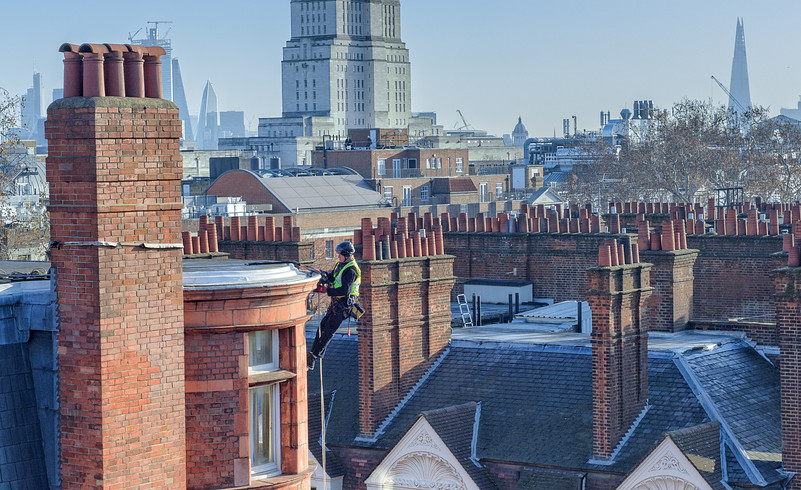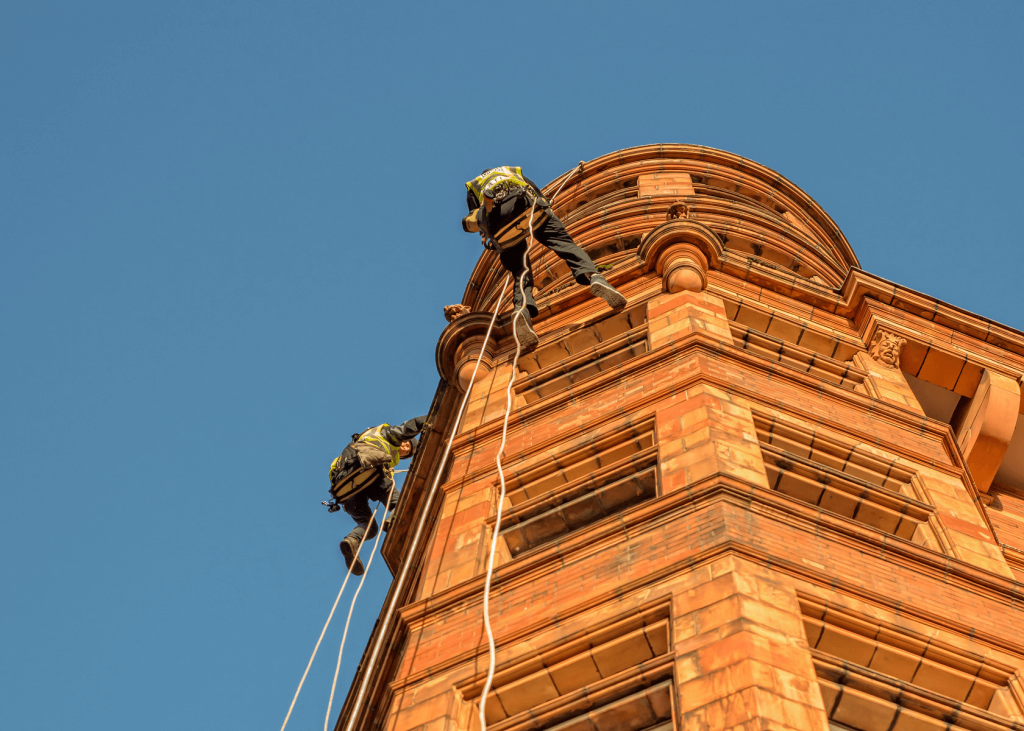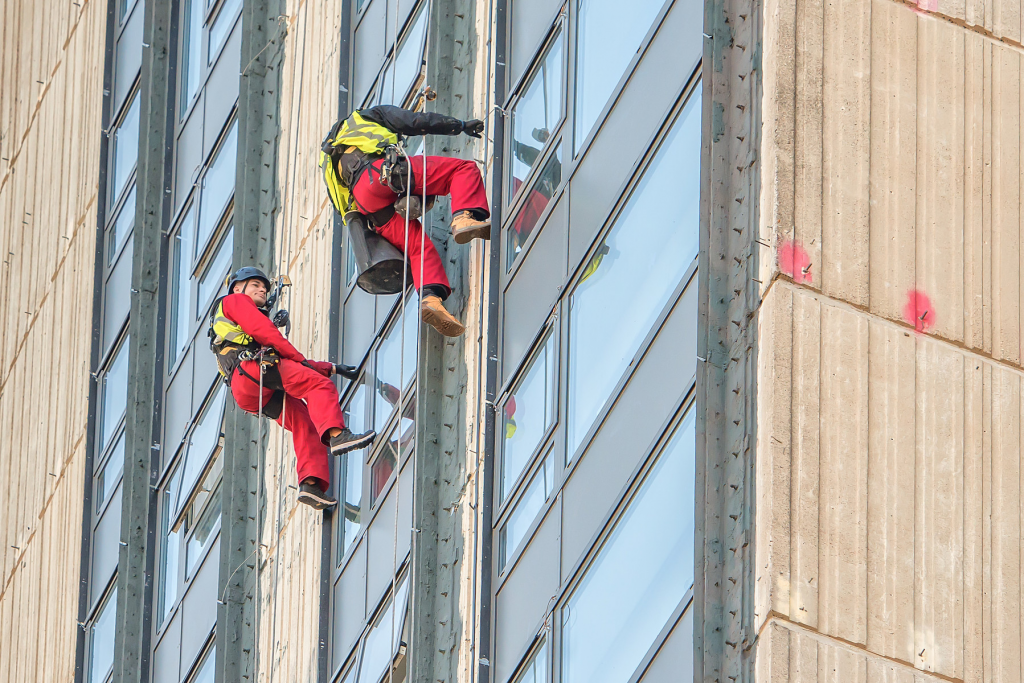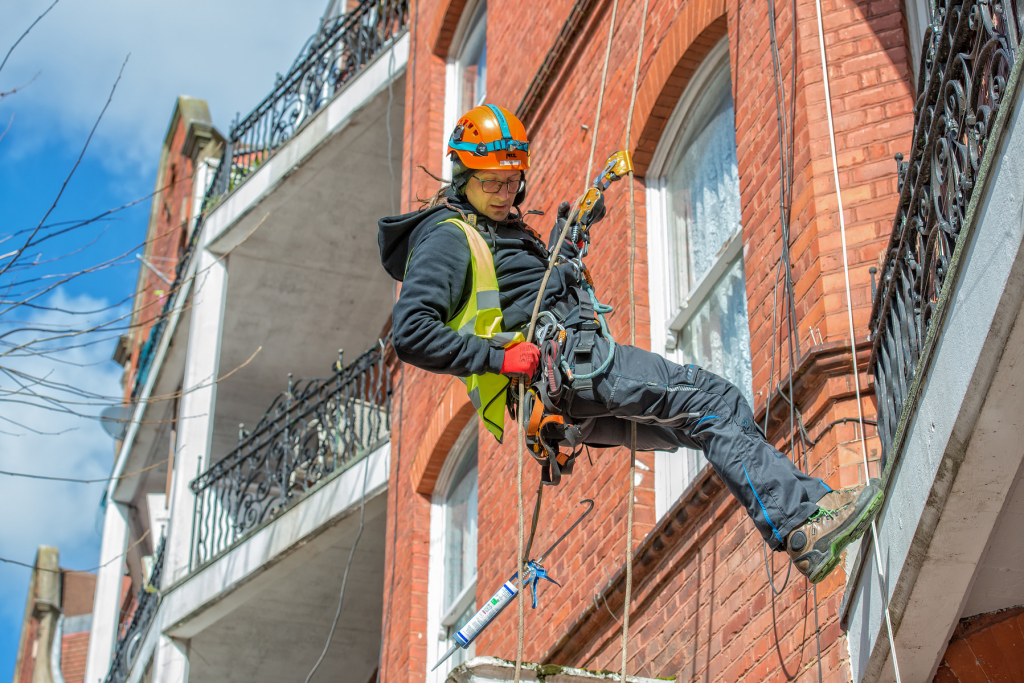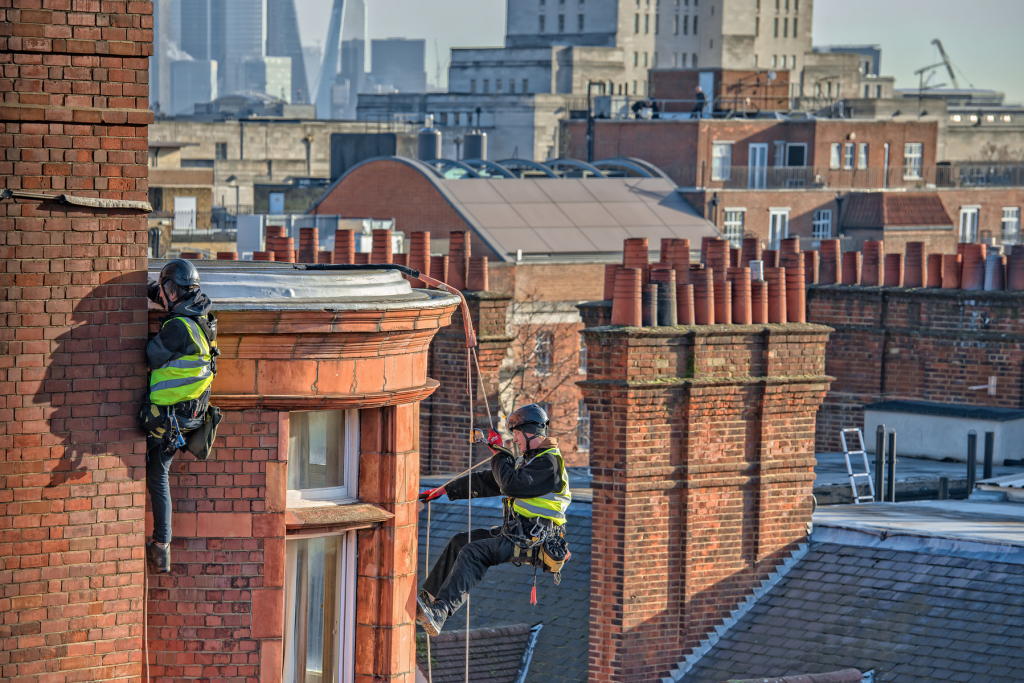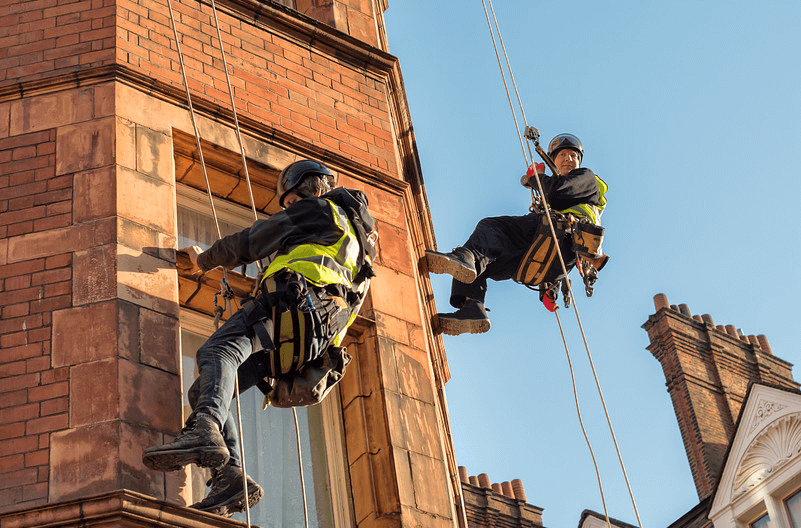
Some high-rise structures are more challenging than others. While a typical office building or living quarters will usually be quite a routine job, a totally different approach must be taken for more unique buildings, such as turbines. Rope access maintenance becomes more of an issue mostly due to the fact that a lot depends on how well these machines run. Here are some key factors that need to be taken into account when working on wind turbines.
1. All general safety precautions apply
Working on a wind turbine covers many of the same bases as any other type of rope access work. All regular hazards, such as fire hazards, must be kept in mind, with communication, tools, and preparations playing a crucial role. Environmental conditions, including rain, heat, etc., all play as big a role as in any other high-rise maintenance project.
2. Wind turbine-specific hazards
Particular attention should be paid to the manner of accessing and exiting the turbines, as well as rescue and evacuation procedure, considering the structure’s verticality and general lack of protruding features to act as a failsafe. As such, rigging becomes a concern, as inadequate use of anchors, rope stretch, etc. can result in serious accidents in the event of strong winds. Because of this, it’s also important to consider the risks of entrapment or entanglement, as the use of more equipment may cause additional issues not present in regular buildings.
3. Other things to consider when planning rope access on wind turbines
The most important thing to evaluate before taking on a wind turbine project is determining the suitability of the are to rope access activities. Considering their sheer vertical structure, wind turbines are often difficult in this regard, so this point requires special attention. The isolation procedures put into place on the client’s part should also be evaluated, along with approved written procedures, work permits, and de-energising and emergency stop controls. If a wind turbine project is set to occur offshore, workers must be kept at a safe distance from water – if that proves to be impossible, they must be provided special protective equipment, e.g. immersion suits, buoyancy aids, life jackets, etc. Finally, due to the heightened risk factor, all rope access technicians must be provided appropriate welfare provision, regardless of whether they’re working onshore or offshore.